


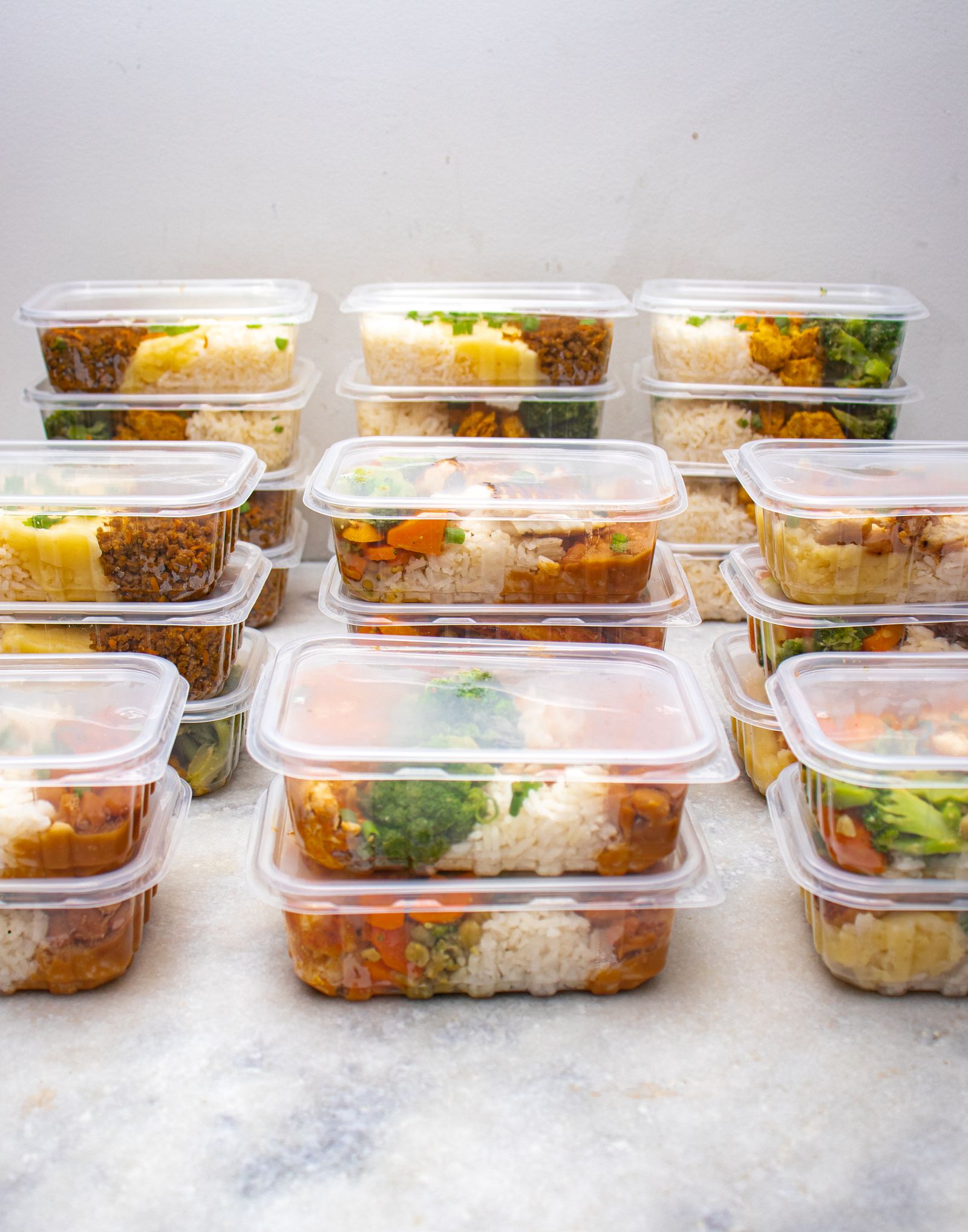
Fast answer
How can you tell if plastic is microwave safe? Look for explicit microwave wording or heating directions on the exact item or its original food package.
Check whether the instructions cover the lid or film, venting, maximum time or power, single use versus repeat use and the food being heated. A resin identification code—including number 5 PP—only identifies a broad material family. It cannot authorize the finished container for microwave heating.
Conservative rule: if the directions are missing, the intended use does not match, or the pack is cracked, warped, stained, melted or unpleasant-smelling, do not experiment with food in it. Transfer the food and follow the substitute vessel’s instructions.
Five checks before the microwave starts
Evidence hierarchy
Which marks actually support a microwave-use decision?
Use the strongest evidence available for the exact article. The table is deliberately short because no symbol can replace the product’s full directions.
The distinction follows ASTM D7611/D7611M, which defines resin identification rather than a microwave certification, and the USDA label-first microwave guidance.
Claim boundaries
What does “microwave safe” mean—and not mean?
For practical decision-making, it means the identified article is intended for specified microwave conditions when intact and used as directed. A commercial claim should define the food, heating profile, maximum duration, likely wattage range, venting method, orientation and whether use is single or repeated.
It does not automatically mean conventional-oven safe, broiler safe, dishwasher safe, freezer-to-oven safe or suitable for unlimited reuse. It also does not prove that the food will heat evenly. Container performance and food safety are related but separate checks.
The complete article matters. A bowl may be paired with a lidding film, sealant, ink, pigment, adhesive, label or overcap. The FDA food-packaging overview explains that intended-use safety assessment considers migration and toxicology, not merely the trade name of the base polymer.
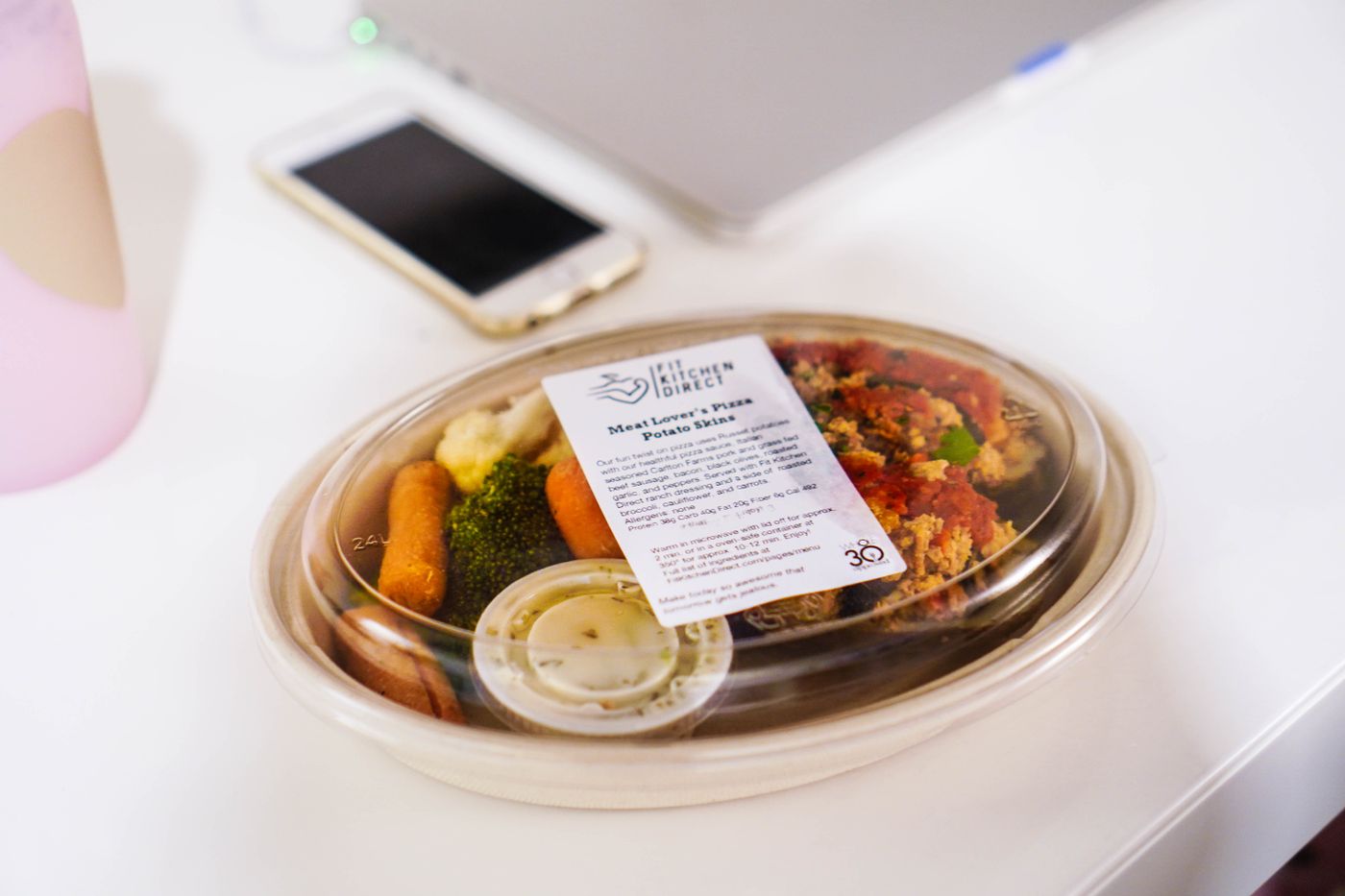
Resin-code reality
Does plastic number 5 prove a container is microwave safe?
No. Number 5 indicates a polypropylene-family predominant resin in the resin identification system. Some microwave food articles use PP, but not every PP grade, thickness, geometry, lid, colorant or finished article is designed for microwaving. The code does not reveal maximum time, food compatibility, repeat-use durability or the evidence behind the complete package.

Material guide
Which plastic materials are used for microwave containers?
Several plastic families can appear in food packaging, but the family name is only a screening clue. Microwave performance also depends on the exact grade, additives, color, wall thickness, molded shape, lid or film, food and heating program. Use these notes to ask better questions—not to override the label.
Simple buying rule: first choose a material and structure that may fit the application; then require finished-item evidence for the actual food, temperature, time, closure and number of uses. Material selection is not the final approval step.
Why the use case matters
Heat, food, time and package construction interact
Microwaves pass through many plastics while food absorbs energy and becomes hot. The container can then heat from hot food, oil, sauce and steam. The FDA microwave-oven guidance notes that some plastic containers can melt from the heat of the food inside. This is why a generic polymer name is not a cooking instruction.
For regulatory development, FDA’s food-contact chemistry recommendations describe microwave-only migration protocols for fatty and aqueous simulants. Those laboratory conditions are regulatory testing guidance, not household cooking limits.
Risk without alarmism
What health and safety risks should you actually control?
The phrase “health risk” often collapses several different issues. The most immediate hazards may be physical or microbiological rather than a single chemical: hot food can deform an unsuitable container, trapped steam can burn, a leak can spill, and uneven heating can leave cold spots.
Migration does not automatically equal harm
Substances can migrate from food-contact materials. Regulators evaluate expected migration, exposure and toxicology for an intended use. Finding that migration can occur is not the same as demonstrating a health effect. A responsible article therefore avoids both extremes: it does not claim all microwaved plastic is harmless under every misuse, and it does not claim every labeled use creates a proven toxic exposure.
BPA-free is not a microwave qualification
A BPA-free claim concerns one substance. It does not define the heat profile, food type, additives, lid, ink, adhesive or repeat-use durability. Regulatory positions also differ by market: the FDA BPA page maintains its U.S. assessment for currently approved uses, while current EU food-contact legislation includes Regulation (EU) 2024/3190 and updated transitional provisions. Buyers need destination-market documentation.
Do not overstate microplastics evidence
The FDA’s current microplastics overview says evidence does not yet demonstrate that detected levels in foods pose a human-health risk and that evidence is insufficient to show migration from plastic food packaging into foods and beverages. Research continues. Visible degradation remains a clear reason to retire an item, but a blog should not turn a scientific data gap into a proven universal hazard.
Household and foodservice workflow
Use this six-step microwave safety check
1
2
3
4
5
6
When in doubt: transfer food to intact glass, glass-ceramic or another vessel explicitly labeled for microwave use. A substitute must also be used within its own instructions.
Common packaging decisions
Which containers should you treat cautiously?
See USDA’s packaging-material guidance for the intended-use distinction between cold-storage packaging and packaging directed for microwave heating.
For brands, co-packers and buyers
Microwave-ready packaging is a finished-system qualification
A buyer should not source a “microwave-safe bowl” by requesting only PP, a food-grade certificate or a high temperature on a resin datasheet. The actual commercial system can include the container grade and color, lidding film, sealant, adhesive, ink or varnish, label, vent feature and overcap. It also includes the food, filler, sealing line, distribution history and consumer instructions.
FDA’s food types and conditions of use distinguish refrigerated or frozen foods that are reheated in-container from storage without thermal treatment. That difference must appear in the regulatory rationale and test plan.

Validation ladder
How should a microwave-ready package be qualified?

Regulatory evidence in context
What can migration guidance prove?
Food-contact evidence is tied to a jurisdiction, exact composition and conditions of use. FDA’s chemistry recommendations for a food-contact-substance premarket submission describe microwave-only container migration tests using a fatty simulant at 130°C for 15 minutes and an aqueous simulant at 100°C for 15 minutes. These are nonbinding submission recommendations. They are not a universal household microwave program, a factory performance test or blanket approval of every finished pack.
A brand still needs filled-pack trials using the actual or justified worst-case food, minimum and maximum fill, production-intent base, exact lid or film, label and ink, and the proposed power and time instructions. That work checks issues a migration study alone cannot answer: steam release, lift or splatter, deformation, panel collapse, leakage, hot handling, opening force, food temperature and visible or sensory change.
For European Union projects, Regulation (EU) No 10/2011 and its current consolidated text must be reviewed for the exact project. Repeated-use articles require attention to successive-use migration behavior and safe-use information. A U.S. regulatory basis should not be copied into an EU declaration, and an EU declaration should not be presented as “FDA approval.”
Illustrative scenario
The same bowl can face two very different use cases
Imagine a rigid bowl that performs well for chilled salad with a peelable lid. A team then proposes the same geometry for a high-fat frozen pasta meal that consumers will heat for several minutes. The base resin name has not changed, but almost every important use condition has.
The pasta adds a frozen-to-hot transition, longer energy input, oily local hot spots, sauce splash, steam pressure and hot handling. The new product may need different venting instructions, lidding construction, seal window, migration rationale, microwave profile and food-temperature study. A cold-food compliance statement cannot be stretched into a microwave claim by assumption.
Buyer lesson: qualify the product, package, process and directions as one commercial system. Consumer lesson: a container that safely held cold food is not automatically a cooking container.
RFQ checklist
What should a microwave-ready packaging brief contain?
Procurement boundary: replace phrases such as “FDA approved plastic” with the actual legal or regulatory basis, covered components, food type, market and conditions of use.
Frequently asked questions
Microwave-safe plastic FAQs
How do I know if a plastic container is microwave safe?
Look for explicit microwave wording or heating directions for the exact item and closure. If directions are absent, unclear or do not match the intended food and heating method, transfer the food rather than guessing.
Does number 5 plastic mean microwave safe?
No. Number 5 identifies a polypropylene-family predominant resin. It does not disclose the exact grade, wall design, closure, additives, food-contact conditions, heating limit or repeat-use evidence.
Is BPA-free plastic always safe to microwave?
No. BPA-free is a separate chemistry-related claim. Microwave suitability must address the complete article and its food, time, temperature, lid, venting and use conditions.
Can I microwave a takeout container?
Only when the exact container or original food package supplies microwave directions. Unlabeled takeout packs vary widely, so transferring food is the conservative choice.
Can I microwave a yogurt or margarine tub?
Usually not unless the exact item explicitly permits it. These are commonly cold-storage containers, and USDA advises against using such packaging for cooking.
Can plastic wrap touch food in the microwave?
Use only wrap labeled for microwave use and follow its contact directions. USDA advises venting wrap and keeping it from touching food unless the product instructions say otherwise.
Does microwave safe mean oven or dishwasher safe?
No. Microwave, conventional-oven, dishwasher, freezer-to-oven and repeat-use performance are different claims. Rely only on capabilities the manufacturer specifically states.
Do microwaved plastics always create a health risk?
No universal claim is supportable. Use an intact, correctly labeled article within its directions, manage steam and food heating, avoid unknown or damaged packaging, and seek product-specific evidence for commercial use.
Move from a material name to a use profile
Need to discuss a microwave-ready food container?
Share the food, destination market, fill weight, chilled or frozen state, microwave program, lid or film needs, sealing process and success criteria. Honokage can review available plastic food container formats and customization inputs; final microwave claims still require product-specific regulatory and finished-pack validation.
Technical sources
These sources support the decision rules, regulatory boundaries and packaging-test explanations. They do not replace the exact item label, microwave manual, food safety plan, destination-market legal review or product-specific qualification.
- USDA FSIS: Cooking With Microwave Ovens
- FDA: Microwave Ovens
- Health Canada: Microwaves and Food Safety
- Health Canada: The Safe Use of Cookware and Bakeware
- ASTM D7611/D7611M-21: Resin Identification Codes
- FDA: Determining the Regulatory Status of Food-Contact Components
- FDA: Melamine Tableware Questions and Answers
- FDA: Food Types and Conditions of Use for Food Contact Substances
- FDA: Food Contact Substance Chemistry Recommendations
- EUR-Lex: Regulation (EU) No 10/2011
- ASTM F88/F88M-23: Seal Strength of Flexible Barrier Materials
- ASTM F1886/F1886M-25: Visual Inspection of Primary Packaging
- ASTM F2338-24: Vacuum-Decay Leak Detection
Safety note: This article provides general education and packaging-development context. Follow the food package, container and microwave manufacturer instructions. When a health condition, burn, suspected contamination, damaged sealed food or regulatory decision is involved, consult the appropriate healthcare, food-safety, packaging or regulatory professional.