


Ever wonder why your ice cream tastes weird or feels icy? Sometimes it is not creamy. Here are some mistakes you might know:
| Mistake | Explanation |
|---|---|
| Storing ice cream in the freezer door | The freezer door is the warmest spot. This makes the temperature go up and down. It can cause freezer burn. |
| Putting melted ice cream back in the freezer | This makes hard ice crystals form. More ice crystals will show up. The texture gets ruined. |
| Storing ice cream next to strong-smelling foods | Ice cream can soak up smells from other foods. This can change how it tastes. |
| Freezer not cold enough | Ice cream needs to be between -5 and 0 degrees Fahrenheit. This keeps the texture right. |
| Not sealing the container tightly | If the lid is loose, ice crystals can form on the ice cream. |
If you store ice cream the wrong way, big ice crystals can form. It can feel grainy and melt in a strange way. The texture will not be creamy. The taste will not be as good. If you fix these habits, every scoop will be smoother and tastier.
Key Takeaways
- Store ice cream in the back of the freezer, not in the door. This keeps it at a stable temperature and prevents freezer burn.
- Always use airtight containers to keep ice cream fresh. A tight seal prevents air from causing freezer burn and keeps flavors intact.
- Avoid letting ice cream melt before refreezing. This prevents large ice crystals from forming and keeps the texture creamy.
- Check your freezer temperature regularly. Keep it at 0°F or colder for the best ice cream quality.
- Keep ice cream away from strong-smelling foods. This prevents it from absorbing unwanted flavors and keeps it tasting great.
Freezer Door
Temperature Fluctuations
You might think the freezer door is a good spot for ice cream. It is easy to grab when you want a treat. But this spot causes problems for your dessert. Here’s why:
- The freezer door gets opened a lot. Each time you open it, warm air rushes in.
- Ice cream is sensitive to temperature changes. It starts to melt if the temperature goes above -18°C (about 0°F).
- The door is far from the cold air vent. It does not get enough cold air to keep ice cream frozen solid.
- When ice cream melts and refreezes, it gets icy and loses its creamy texture.
- Over time, ice cream stored in the door can taste strange. You might notice freezer burn or weird flavors.
Areas near the door have more temperature swings than other spots in your freezer. Airflow and frequent openings make the door the warmest place. The back of the freezer stays much colder and more stable.
Tip: If you want smooth, tasty ice cream, keep it away from the door. The less you move it, the better it stays.
Best Storage Spots
Storing ice cream in the back of the freezer or in a chest freezer works much better. These spots keep the cold air steady. Chest freezers have thick insulation and hold cold air even when you open the lid. The back of your regular freezer is close to the cooling elements, so it stays at the right temperature. This helps prevent freezer burn and keeps your ice cream creamy.
If you want every scoop to taste great, pick a spot that stays cold all the time. You will notice the difference in texture and flavor.
Thawing and Refreezing

Texture Loss
Have you ever seen your ice cream get gritty or icy after refreezing? This happens when ice cream melts and then goes back in the freezer. The creamy texture starts to go away. When ice cream melts, small ice crystals inside get bigger. Your tongue can feel these big crystals as roughness.
Scientists say, “The size of the ice crystal affects how frozen foods taste. Big crystals, about 30 to 40 microns, feel gritty on your tongue. When ice cream melts and refreezes, crystals slowly get larger. Ice cream is made with tiny crystals at first. If it melts and refreezes without mixing, crystals grow bigger.”
Not only do crystals get larger, but proteins and stabilizers break down too. This makes the texture even worse. You might see watery spots or have trouble scooping the ice cream.
“Big ice crystals squeeze the protein and make it break down. When proteins break down, watery spots show up and the texture gets worse.”
How to Avoid
You can keep ice cream creamy by doing a few easy things. Try these tips next time you eat ice cream:
- Serve ice cream fast and put it back in the freezer right away.
- Use a container that closes tightly to keep air out.
- Press plastic wrap on the ice cream before putting on the lid.
- Store ice cream at the back of the freezer, not in the door.
- Don’t let ice cream melt before refreezing.
- Check your freezer temperature often. Keep it at 0°F or colder.
- Write dates on cartons to know how fresh they are.
Tip: If you store ice cream the right way, it melts and refreezes less. You get a smoother and tastier treat every time.
Improper Containers
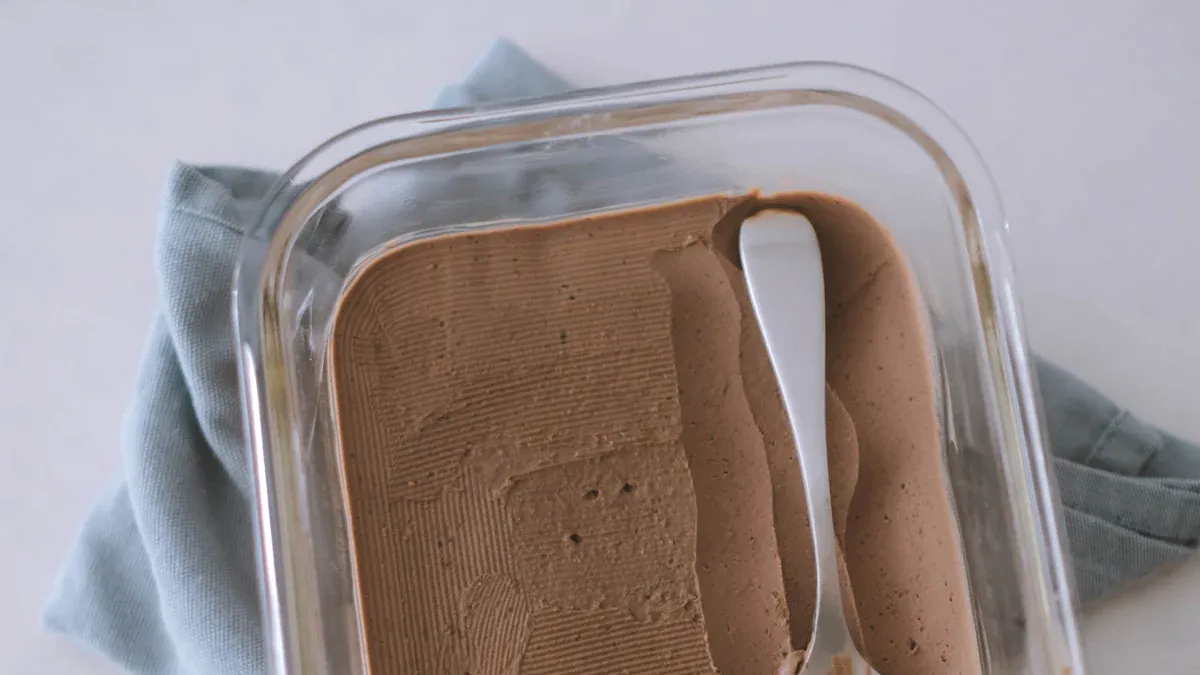
Airtight Importance
You might not think much about the container you use for ice cream, but it makes a big difference. If your container does not seal tightly, your ice cream can go bad faster. Here’s what happens when you use a non-airtight container:
- Air gets inside and causes freezer burn.
- Freezer burn pulls out moisture, so your ice cream turns from smooth to grainy.
- Flavors fade, and your ice cream can even pick up weird smells from other foods.
- Cardboard containers, which are common, do not keep air out well. They let your ice cream get icy and lose its taste.
Tip: Always use a container with a tight-fitting lid. You will keep your ice cream fresh and tasty for much longer.
Best Container Types
When you want the best results, you need the right container. Not all containers work the same way. Here are some of the most popular choices for storing ice cream at home:
- Specialty ice cream container
- Freezer-safe plastic container
- Old ice cream container
- Loaf pan
- Pie pan
Some containers work better than others because of the material they use. Take a look at this table to see how different materials help keep your ice cream cold and delicious:
| Material | Insulation Properties |
|---|---|
| Plastic Tubs | Made from polypropylene or polyethylene, providing excellent insulation. |
| Glass Jars | Offers excellent insulation and does not retain odors or flavors from previous contents. |
| Metal Containers | Made from stainless steel or aluminum, known for durability and maintaining low temperatures. |
If you want to keep your ice cream creamy, pick a plastic tub or a glass jar with a tight lid. Metal containers also work well and keep things cold. Storing ice cream in the right container helps you enjoy every scoop just the way you like it.
Not Sealing Properly
Freezer Burn
You might think a loose lid is no big deal, but it can ruin your ice cream fast. When you don’t seal the container tightly, air sneaks in and pulls moisture out of your dessert. This causes freezer burn. You’ll see icy crystals on top and around the edges. The texture turns rough and the flavor fades away. No one wants a scoop that tastes like old ice!
But there’s more to worry about than just taste. If you leave your ice cream unsealed, you open the door to food tampering. That means someone could mess with your food, which is a real health risk. Here’s what can happen if you don’t seal your ice cream:
- Someone could tamper with your food, which can be dangerous.
- Bacteria and viruses might get inside and spread infections.
- In rare cases, this could even cause a disease outbreak.
Tip: Always double-check the lid before putting your ice cream back in the freezer. A tight seal keeps your treat safe and tasty.
Odor Absorption
Ice cream acts like a sponge for smells in your freezer. If you don’t seal the container, it can soak up all kinds of strong odors. Have you ever tasted ice cream that reminded you of last night’s fish dinner? That’s not a flavor anyone wants!
Some of the worst offenders include:
- Fish or other unsealed leftovers
- Onions
- Garlic
- Spilled liquids
- Moldy produce
The porous nature of ice cream makes it easy for these smells to sneak in. Even a small gap in the lid can let in unwanted flavors. Storing ice cream in a tightly sealed container helps keep every scoop fresh and delicious.
Remember: A good seal protects your ice cream from freezer burn and weird smells. You’ll enjoy every bite just the way it should taste.
Storing Ice Cream Near Strong Odors
Flavor Impact
Have you ever opened your freezer and noticed a strange smell? Maybe you find your ice cream tastes a little like last night’s leftovers. That’s not what you want when you’re craving something sweet! Storing ice cream near strong odors can change the flavor in ways you might not expect.
Ice cream acts like a sponge. It absorbs strong smells from foods around it. Dairy products, like ice cream, are especially good at soaking up these odors. You might taste garlic, onion, or even fish in your dessert if you keep it too close to those foods. The creamy texture and sweet flavor can turn weird and unpleasant.
Here’s what happens when you store ice cream near strong odors:
- The taste changes and becomes less sweet.
- You notice flavors that shouldn’t be there.
- The smell of the freezer mixes with your ice cream.
Tip: If you want your ice cream to taste fresh, keep it away from foods with strong smells.
Foods to Avoid
You can protect your ice cream by knowing which foods to keep far away. Some foods have powerful odors that travel through the freezer. These smells can sneak into your ice cream, even if you use a sealed container.
Here’s a quick list of foods you should avoid storing near ice cream:
- Fish and seafood
- Onions and garlic
- Strong cheeses
- Spicy leftovers
- Smoked meats
| Food Type | Odor Strength | Risk to Ice Cream Flavor |
|---|---|---|
| Fish/Seafood | High | Very High |
| Onion/Garlic | High | High |
| Cheese | Medium | Medium |
| Spicy Foods | Medium | Medium |
| Smoked Meats | High | High |
If you want to keep your ice cream tasting great, store it in a separate spot. Try using a dedicated shelf or bin in your freezer. Storing ice cream away from strong odors helps you enjoy every scoop just the way you like it.
Freezer Temperature
Ideal Settings
Getting the freezer temperature right makes a huge difference for your ice cream. If your freezer is too warm, your ice cream turns icy and loses its creamy texture. Too cold, and it becomes rock hard and tough to scoop. You want to find the sweet spot.
Check out this table for the best temperatures:
| Storage Type | Recommended Temperature (°F) |
|---|---|
| Ice Cream | -5 to -20 |
| Frozen Yogurt | -5 to -20 |
| Gelato/Sorbet | 10 to 20 or below |
| Serving Temperature | 0 to 6 |
For long-term storage, aim for -10 to -20°F. If you want to scoop and serve easily, let your ice cream warm up to 6 to 10°F for a few minutes before serving.
“The most common problem with ice cream is a coarse, icy texture. This happens when the temperature goes up and down. Keeping your freezer cold and steady helps prevent this. Colder storage means your ice cream stays smooth and lasts longer.”
You can see how temperature affects texture and shelf life:
| Storage Temperature (°C) | Texture Quality | Duration (Weeks) |
|---|---|---|
| -26.1 | Slight deterioration | 16 |
| -13.3 | Coarse texture | 2 |
If you keep your freezer cold and steady, your ice cream will taste better and last longer.
Chest Freezer Benefits
A chest freezer can be a game changer for storing ice cream. It keeps the temperature steady, even when you open the lid. This helps prevent freezer burn and keeps your ice cream creamy.
Here are some reasons why a chest freezer works so well:
- Chest freezers have more space, so you can store bigger tubs or buy in bulk.
- The lid fits tightly, so cold air stays inside.
- They use less energy and cost less to run than upright freezers.
- Chest freezers are usually less expensive to buy.
| Freezer Type | Energy Consumption (kWh/year) | Annual Cost |
|---|---|---|
| Chest Freezer | 215 | $30 |
| Upright Freezer | 395 | $50 |
Chest freezers also keep your ice cream safe during power outages. The cold air stays trapped inside, so your treats stay frozen longer. If you love ice cream and want to keep it at its best, a chest freezer is a smart choice.
Storing ice cream at the right temperature and in the right freezer helps you enjoy every scoop just the way you like it.
Overlong Storage
Shelf Life
You might think ice cream lasts forever in the freezer, but it does not. Ice cream has a shelf life, just like any other food. If you keep it too long, the taste and texture start to change. Store-bought ice cream usually stays good for 2 to 4 months. Homemade ice cream does not last as long. You should eat it within 3 weeks for the best flavor.
Here’s a quick look at how long you can keep different types:
| Type of Ice Cream | Storage Duration |
|---|---|
| Store-bought | 2-4 months |
| Homemade | Up to 3 weeks |
If you have an unopened tub, it can stay fresh for 2 to 3 months at zero degrees Fahrenheit. Once you open it, try to finish it within 6 weeks. After that, the quality drops. You might notice the ice cream gets icy or loses its creamy feel.
You can make your ice cream last longer by following a few simple steps:
- Use airtight containers to keep air out.
- Store your ice cream at the back of the freezer where it stays coldest.
- Avoid opening the container too often.
- Split big tubs into smaller ones to limit air exposure.
- Keep the freezer door closed as much as possible.
Signs of Spoilage
Sometimes, you forget about a tub of ice cream in the back of the freezer. Before you dig in, check for signs that it has gone bad. Spoiled ice cream is easy to spot if you know what to look for.
Watch out for these warning signs:
- Sour or rancid smell
- Large ice crystals on the surface
- Texture that feels much harder than usual
- Change in color, like dull or faded spots
- Gummy or sticky texture (this can mean bacteria are growing)
- Bloated or misshapen carton
If you notice any of these, it’s best to throw the ice cream away. Eating spoiled ice cream can make you sick. Trust your senses—if it smells or looks off, don’t risk it.
Tip: Storing ice cream the right way helps you avoid spoilage and keeps every scoop delicious.
You now know the seven most common mistakes people make when storing ice cream and how to fix them. Keep your ice cream in the coldest part of the freezer, use airtight containers, and avoid letting it melt and refreeze. Experts say you should always check your freezer temperature and seal containers well. Here’s a quick look:
| Do This | Not This |
|---|---|
| Store in main freezer section | Store in the door |
| Use airtight containers | Use loose lids |
| Keep freezer at 0°F or colder | Ignore temperature changes |
Storing ice cream the right way keeps it creamy and delicious. Try these tips and enjoy every scoop! Got your own tricks or questions? Share them in the comments below! 🍦
FAQ
How do I keep ice cream from getting freezer burn?
You can stop freezer burn by sealing your ice cream tightly. Use an airtight container. Press plastic wrap right on the surface before closing the lid. Store it in the coldest part of your freezer.
Can I refreeze ice cream if it melts?
You should not refreeze melted ice cream. It will get icy and lose its creamy texture. Bacteria can also grow if it melts too much. Always put it back in the freezer quickly after serving.
Why does my ice cream taste like garlic or onions?
Ice cream absorbs strong smells from nearby foods. If you store it next to garlic, onions, or fish, the flavors can mix. Keep your ice cream away from foods with strong odors for the best taste.
What is the best temperature for storing ice cream?
Set your freezer to 0°F or lower. This keeps your ice cream smooth and creamy. If your freezer is too warm, ice crystals will form. Use a thermometer to check the temperature if you are not sure.
See also
How to choose the appropriate ice cream container
How to Clean and Recycle Paper Ice Cream Cartons
What to Know About Eco-Friendly Ice Cream Containers in 2025