


You want your ice cream labels to stay bright and last in the freezer. First, pick the right ice cream container material. Use freezer-grade adhesives to help labels stick well. These keep your label looking good, even when it is very cold. Printing methods like In-Mold Labeling (IML) and offset printing add color. They help your ice cream labels stand out. Choose strong materials and use the best printing process. This makes a label that gets noticed and stays nice.
Key Takeaways
- Pick the right container material for your ice cream labels. Use freezer-grade plastics because they are strong and resist water.
- Choose freezer-grade adhesives so your labels stick well in cold and wet places. This stops labels from peeling or fading.
- Pick the best printing method for your needs. In-Mold Labeling gives bright and long-lasting labels. Digital printing works well for small batches.
- Use bright colors and strong contrast on your labels to catch attention. This helps your product stand out in the freezer aisle.
- Always test your labels in cold and wet places to make sure they last. This keeps your brand safe and your product looking good.
Best Materials for Ice Cream Labels

Ice Cream Container Material Selection
Picking the right ice cream container material helps your labels last. Your label should stay bright and stick well, even in the freezer. The best materials for ice cream labels can handle cold, wet, and rough use.
Here is a table with common material choices for ice cream containers and their features:
| Material | Description | Application Temperature | Service Temperature Range |
|---|---|---|---|
| Food-safe Plastics | Includes polypropylene (PP), polystyrene (PS), and PET. | -20°C | Low temperatures |
| Rigid Paperboard | Used in pint cartons and cones, often with a moisture-resistant coating. | N/A | N/A |
| White Plastic | Waterproof and oil-resistant, ideal for frozen products. | -20°F | -65°F to 200°F |
| White Vinyl | Durable and flexible, great for events and on-the-go sales. | 25°F | -10°F to 200°F |
| Clear Plastic | Lets you showcase your product inside clear containers. | -20°F | -65°F to 200°F |
| Metallic Plastic | Gives a custom foil look at a lower cost. | -20°F | -65°F to 200°F |
Plastic ice cream containers work well in the cold and keep their shape. You can use special labeling methods like in-mold labeling (IML) for a cool look. Paper containers are better for the environment, but they can get soggy and may not last as long in the freezer. They also have fewer ways to print and label.
Tip: If you want your ice cream labels to look fancy and last longer, pick IML plastic containers. These keep your ice cream cold and stop it from melting fast.
You also need to think about food safety. Labels must follow FDA rules. You have to list ingredients, nutrition facts, and allergen warnings. The label material should be safe for food and handle heat, water, and cold. Good manufacturing and checking labels often help you avoid mistakes and keep your product safe.
Freezer-Grade Adhesives
The right adhesive keeps your label on the ice cream container, even when it is cold and wet. Freezer-grade adhesives work well in low temperatures and stay sticky when you need them.
Here is a table showing what makes freezer-grade adhesives special:
| Property | Description |
|---|---|
| Maintain Adhesion at Low Temperatures | Stays sticky and flexible, even in the cold. |
| Cope with Condensation and Frost | Works through frost and moisture, so your label does not peel off. |
| Withstand Temperature Fluctuations | Handles freezing and thawing without losing grip or getting gummy. |
You want your ice cream labels to stay on, even if the container gets wet or frosty. Freezer-grade adhesives help stop peeling, fading, or smudging. They also keep your label easy to read and safe for food.
Note: Always match your adhesive to your ice cream container material. Some adhesives work better on plastic, while others stick best to paper. Testing helps you find the best one for your product.
When you pick the best materials for ice cream labels and the right adhesive, you protect your brand and keep your product safe. You also make sure your label looks good from the freezer to the customer’s hands.
Ice Cream Packaging Printing Methods
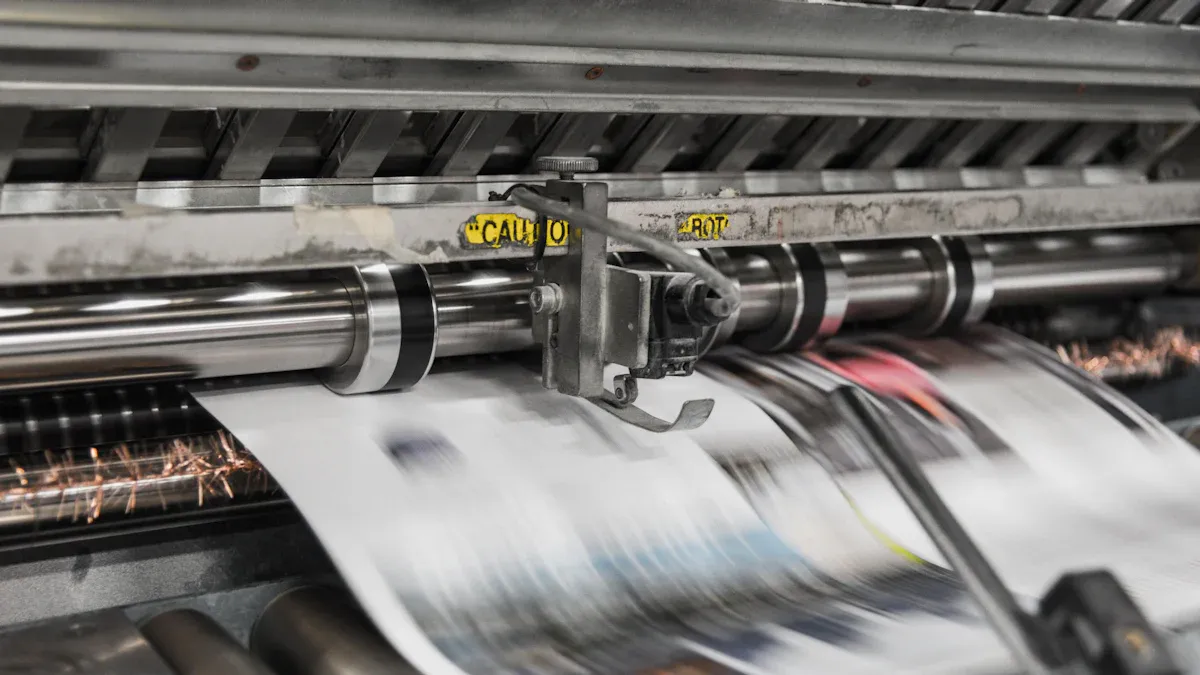
If you want your ice cream labels to look bright and last, you need to pick the right printing method. Each way of printing has good points for color, how long it lasts, and price. You will learn about In-Mold Labeling (IML), Offset Printing, and Digital Printing. These ways help you pick the best one so your label stands out in the freezer and on the shelf.
In-Mold Labeling (IML)
In-Mold Labeling (IML) is a new way to put labels on plastic ice cream containers. The label goes inside the mold before the container is made. The label becomes part of the container. This makes a strong and colorful label that does not peel or fade.
| Feature | IML Labels | Traditional Labels |
|---|---|---|
| Resistance to Scratching | Yes | No |
| Resistance to Fading | Yes | No |
| Moisture Resistance | Yes | No |
| Temperature Tolerance | -40°C to 120°C | Limited |
You get sharp and bright labels with high-resolution printing at 1200 DPI. The ink goes deep into the mold, so the colors stay bright and do not fade. You can use detailed designs and bold colors to make your label stand out.
IML labels stay strong in cold, wet, or humid places. They do not peel or bubble, even in the freezer. Your label will look good from the factory to the customer’s hands.
Offset Printing
Offset printing is a classic way to print ice cream packaging, especially for paper containers and big orders. This method uses plates and ink rollers to put your design on the label. You get clear and even results every time.
| Advantages | Disadvantages |
|---|---|
| High-quality and consistent output | Higher initial setup costs compared to digital printing |
| Economical for large production runs | Longer turnaround times for smaller jobs |
| Works with many materials, like paper and cardboard | Needs skilled operators and regular maintenance |
| Can use special finishes, like metallic inks | Not ideal for short-term or small projects |
Offset printing gives you bright colors and sharp pictures. You can add special touches, like metallic inks or raised designs, to make your label unique. If you need lots of ice cream labels, this way saves money and keeps the quality high.
Tip: Offset printing is best when you need thousands of labels for your ice cream packaging. It is not the best choice for small or quick jobs.
Digital Printing
Digital printing is a fast and flexible way to make ice cream labels. You send your design from the computer to the printer. There are no plates or long setup times. This way is great for custom printing, small batches, or testing new designs.
| Printing Method | Color Vibrancy | Cost for Short Runs |
|---|---|---|
| Digital Printing | High-quality, vibrant | Cost-effective for small batches |
| Traditional Methods | May not match vibrancy | Economical for large volumes only |
- Digital printing gives you bright, clear colors.
- You save money on small or medium orders.
- You can change your design fast for special flavors or limited editions.
If you want to try new looks or need just a few custom labels, digital printing is the best choice. You get fast results and do not waste money on extra labels you do not need.
Note: Digital printing is great for short runs and special projects. For very large orders, offset or IML may cost less per label.
Comparing Printing Methods for Ice Cream Labels
Here is a quick guide to help you pick the right printing method for your ice cream packaging:
| Printing Method | Best For | Durability | Color Vibrancy | Cost (Small Runs) | Cost (Large Runs) |
|---|---|---|---|---|---|
| In-Mold Labeling | Plastic containers, high volume | Excellent | Excellent | High | Low |
| Offset Printing | Paper containers, large volume | Very Good | Very Good | High | Low |
| Digital Printing | Custom, small/medium runs | Good | Excellent | Low | High |
When you pick a printing method, think about how many labels you need, what material you use, and how bright and strong you want your label to be. Custom printing helps your brand stand out in the freezer aisle.
Design Tips for Ice Cream Labels
Color & Contrast
You want your ice cream label to get noticed in the freezer. The colors you pick help people see your product fast. Bright and fun colors are good if you want kids to notice your ice cream. Earthy colors work well for natural flavors and show real ingredients. Mint green is great for mint chocolate chip. Pink is nice for strawberry gelato. Yellow is perfect for lemon sorbet. Bright colors help your label stand out. Strong contrast between words and background makes reading easy. Do not use colors that make words hard to see or do not match your brand.
- Using bright colors helps people spot your label.
- Good contrast makes your label easy to read.
- Bad color choices can make your label hard to read.
Tip: Picking the right colors and contrast helps your ice cream look better than others. It can make people want to buy your product.
Font & Readability
Font size and style are important for every ice cream label. Pick fonts that are clear and simple to read. Do not use too many different fonts on one label. Make your brand name big and easy to find. Product details should also be easy to read. Fancy fonts can confuse people, so do not use a lot of them. If your words are too small or hard to read, people might not buy your ice cream. Always check that your font looks good with your colors.
Layout & Branding
A good layout makes your label look neat and easy to understand. Put important things like flavor and ingredients where people can see them fast. Leave enough space between things so your label does not look messy.
Here is how some brands use design to stand out:
| Brand Example | Branding Elements Used |
|---|---|
| Icecreaft | Shows each flavor with special pictures and colors |
| Gelato Ice Cream | Uses color, font, and pictures to show Italian style and care for nature |
| Nena’s Ice Cream | Has a simple, modern look that reminds people of being a kid |
| Chaat | Has new flavors and cool packaging that is easy to carry and display |
You can use special drawings or shapes to tell your brand story. Always pick the right label size so it fits your container. A clear and smart design helps people trust your brand and want to buy again.
Note: Do not make mistakes like picking the wrong label material, printing off-center, or making your label too crowded. Test your label in cold and wet places to make sure it stays nice.
Common Issues with Ice Cream Containers
Adhesion Problems
Sometimes, labels do not stick well to ice cream containers. This can happen for a few reasons. The adhesive might not work with your container’s material or temperature. If labels are kept in hot or damp places, they can lose their stickiness. Water drops or oil on the container can stop the label from sticking.
To help labels stick better, always clean and dry your containers first. Use alcohol wipes to get rid of oil. Wear cotton gloves so you do not leave fingerprints. Try putting a few labels on different containers and freeze them to see what happens. Let the labels set for up to 48 hours so they stick well. Using a squeegee can help push out air bubbles, which often show up on plastic containers.
Tip: Put labels on in a dry room at normal temperature. If you must label in the cold, use a cold-temp adhesive.
Peeling & Fading
Labels can peel off or fade if you do not use the right materials. Big changes in temperature and lots of moisture are the main reasons. The table below shows how these things can hurt your labels:
| Environmental Factor | Effect on Labels |
|---|---|
| Temperature Extremes | Regular adhesives stop working below 0°C or above 80°C, so labels peel off. |
| Humidity | High humidity (over 70%) can make adhesives fail because fibers swell up. |
| Material Mismatches | Using the wrong materials makes labels crack and peel in the cold. |
If you use waterproof containers and waterproof labels, you can stop many problems. Always match your label material to your container type. For example, paper labels may not last on plastic containers in the freezer. Test your labels in cold and wet places to see if they last.
Ink Smudging
Ink smudging is another problem you might see. If you use the wrong ink or printing method, the label can smear, especially when it is wet or cold. Digital printing gives bright colors, but you need inks that can handle water. Offset and in-mold labeling usually keep the ink safe. Always let the ink dry all the way before touching the containers. If you see smudges, check if your ink works for freezer use.
Note: It is important to label things correctly. Mistakes can cause recalls, especially if allergen info is missing or hard to read.
You can make ice cream labels that look bright and last a long time by picking freezer-grade materials and the best printing method.
These ice cream containers use freezer grade polypropylene. This is a strong plastic that does not have BPA or Phthalate. It is tough and does not break in the cold. It keeps your ice cream safe from freezer burn. Your ice cream stays creamy and fresh.
Ice cream packaging needs to last in very cold freezers. You do not want the ink to smear or the colors to run. This can happen if the label does not work with the wax on the tub. Always check which ink works best for your container. If you use polypropylene, you should pick epoxy inks.
To keep your labels looking nice in the freezer, follow these tips:
- Check if the adhesive works in different places.
- Keep labels in sealed bags and away from water.
- Clean the containers before you put on the labels.
The main job of your ice cream packaging is to protect the ice cream. It should keep the ice cream in good shape and tasting great.
FAQ
What is the best way to keep ice cream labels from peeling in the freezer?
You should use freezer-grade adhesives and test your labels on your containers. Clean the surface before applying the label. This helps the label stick better and last longer.
Can I print vibrant labels at home for small batches?
Yes, you can use digital printing for small batches. Choose waterproof label sheets and freezer-safe ink. This method gives you bright colors and lets you print only what you need.
How do I stop ink from smudging on my ice cream labels?
Always let the ink dry fully before touching the labels. Pick inks made for cold and wet conditions. Test your labels in the freezer to make sure the ink stays sharp.
Are paper labels good for ice cream containers?
Paper labels work for short-term use or eco-friendly packaging. They may not last as long as plastic labels in the freezer. Use a moisture-resistant coating to help them stay on and look good.