


Yes, your favorite ice cream can spoil before the date on the carton if you do not take care of it. Sometimes, you might leave it out on the counter or use a hot scoop. This can change how it feels and make it unsafe. You might see problems if you leave it open or forget to put it back in the freezer fast. Here are some common reasons this happens:
- Thawing on the counter
- Using a warm scoop
- Not covering with plastic wrap or wax paper
- Letting it soften outside the freezer
If you look out for these problems and check the ice cream expiration, you can keep every scoop safe and yummy.
Key Takeaways
- Ice cream can go bad before the expiration date if it is not stored right. Put it back in the freezer right after you serve it.
- Watch for signs that ice cream is spoiled, like strange smells, changes in texture, or big ice crystals. Use your senses to decide if it is safe to eat.
- Keep ice cream in containers that close tightly. This helps stop freezer burn and keeps it creamy. Write the date on the container to know when it is fresh.
- Make sure your freezer is set to 0°F or colder. This helps ice cream last longer. Try not to let the temperature change too much to keep it good.
- Be extra careful if your immune system is weak. Bad ice cream can make you sick. Always look for signs of spoilage before you eat it.
Why Ice Cream Spoils

Storage Conditions
You might think your ice cream is safe as long as you keep it in the freezer, but storage matters a lot. If you leave the carton out for even a short time, the temperature can rise above safe levels. When this happens, the ice cream softens and then refreezes, which can change its texture and taste.
Tip: Always put your ice cream back in the freezer right after serving to keep it fresh.
Here’s what can go wrong if you don’t store it properly:
- Temperature changes cause ice cream to soften and refreeze, making big ice crystals.
- These crystals ruin the creamy texture and can make the flavor taste off.
- Storing ice cream above 10°F can change its body, texture, and flavor.
Even if the ice cream expiration date says it’s still good, poor storage can make it spoil early.
Bacterial Growth
You might not see bacteria, but they can still grow in your ice cream. Freezing slows down bacteria, but it doesn’t stop them completely. Ice cream has dairy like milk and cream, which can carry bacteria. If you use a dirty scoop or let the ice cream melt, bacteria like Listeria, Salmonella, and E. coli can multiply quickly.
Note: Bacteria, parasites, and viruses can grow fast at warmer temperatures, raising the risk of foodborne illness.
Improper storage, contaminated equipment, or using raw ingredients can all lead to spoilage. Even before the ice cream expiration date, bacteria can make your treat unsafe.
Freezer Burn
Freezer burn happens when ice cream loses moisture and gets exposed to cold, dry air. You’ll notice icy crystals on the surface and a dry, rough texture.
- Freezer burn affects the taste and makes the ice cream less creamy.
- It usually happens if you don’t wrap the carton well or leave it open too long.
- Mild freezer burn is safe to eat, but if the taste is off, it’s best to throw it away.
Freezer burn doesn’t always make ice cream unsafe, but it does make it less enjoyable. Keeping your ice cream sealed and stored at 0°F helps prevent this problem.
Signs of Spoilage
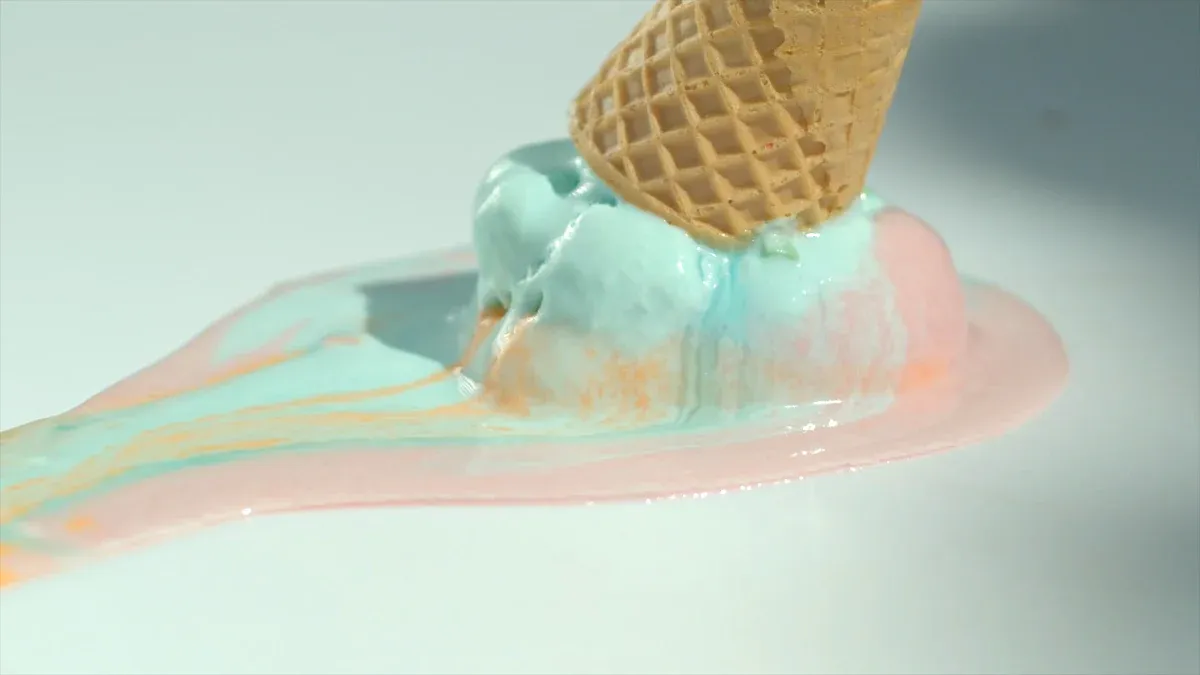
How do you know if your ice cream has gone bad? You do not need to be a food scientist to spot the warning signs. Here are the main things you should look for before you grab a spoon.
Off Smell
Take a sniff before you dig in. If your ice cream smells strange or just “off,” that is a big red flag. Spoiled ice cream can give off weird odors because of certain compounds like dimethyl disulfide and hexanal. These come from fats breaking down or bacteria growing, especially if your ice cream has been exposed to light or not stored well. Sometimes, you might notice a sour, musty, or even cheesy smell. If you catch any of these, it is best to toss the carton.
Trust your nose! If it does not smell right, it probably is not safe to eat.
Texture Changes
Texture tells you a lot about freshness. When ice cream spoils, you might notice it feels gritty or sandy instead of smooth and creamy. This happens when large ice crystals form inside the carton. The longer your ice cream sits in the freezer, the more likely you are to see these changes.
- You might also spot a dry or crumbly surface.
- Sometimes, the ice cream feels hard in some spots and mushy in others.
- If you see these texture changes, your treat may not be safe or tasty anymore.
Ice Crystals
Ice crystals are another sign you should not ignore. Small crystals are normal, but big, chunky ones mean trouble. These larger crystals form when ice cream melts and refreezes, which can happen if you leave the carton out or your freezer temperature goes up and down.
When you see a layer of ice on top or throughout the ice cream, it means the quality has dropped. The texture will feel grainy, and the flavor will not be as good.
If you notice a lot of ice crystals, check the ice cream expiration date and think twice before eating.
Sticky or Gooey Surface
A sticky or gooey surface is a clear warning sign. When you touch the ice cream and it feels slimy or sticky, bacteria may have started to grow. This often happens when the ice cream has been exposed to warm air or has gone through several thaw-and-freeze cycles.
- A gooey texture means the ice cream is no longer safe to eat.
- Bacterial activity can make the surface slimy, which is a sure sign of spoilage.
- If you see or feel a sticky layer, it is time to throw the ice cream away.
You do not need to be an expert to spot these signs. Just use your senses and a little common sense. If anything seems off, it is better to be safe and skip that scoop.
Ice Cream Expiration and Shelf Life
Commercial Ice Cream
When you buy ice cream from the store, you probably notice the date printed on the carton. This date helps you know when your ice cream should taste its best. If you keep commercial ice cream at the ideal temperature, usually around 0°F or lower, you can expect it to stay fresh for about 1 to 2 months. After this time, you might see changes in texture or flavor. The ice cream expiration date is a good guide, but it does not always mean the ice cream will spoil right away.
Tip: Always check for ice crystals or strange smells before eating, even if the ice cream expiration date has not passed.
Here’s what you can expect from commercial ice cream:
- Stays fresh for 1-2 months in the freezer.
- May lose flavor and texture after this period.
- Quality drops faster if you do not store it properly.
Homemade Ice Cream
If you make ice cream at home, you need to be extra careful. Homemade ice cream does not have the same preservatives as store-bought brands. It usually lasts between 2 to 4 weeks in the freezer. You should use airtight containers and keep your freezer cold to help it last longer.
| Type of Ice Cream | Shelf Life |
|---|---|
| Homemade Ice Cream | 2 to 4 weeks |
| Commercial Ice Cream | 2 to 3 months |
Homemade ice cream can spoil faster because it often contains fresh ingredients and less sugar. You should always check for signs of spoilage before eating. If you see ice crystals, freezer burn, or a sticky surface, it is safer to throw it away.
Factors Affecting Shelf Life
Many things can change how long your ice cream stays good. The way you store it matters most. If you leave the carton open or let air get inside, freezer burn can happen. This makes ice crystals form on the surface. Freezer burn does not make ice cream unsafe, but it does ruin the taste and texture. You should always use airtight containers to keep air out.
Let’s look at the main factors that affect shelf life:
| Factor | Description |
|---|---|
| Temperature Fluctuations | Exposure to varying temperatures can cause ice crystals to melt and refreeze, leading to larger, coarser ice crystals that affect texture. |
| Improper Storage | Not storing ice cream in airtight containers can lead to freezer burn, odor absorption, and contamination, all of which degrade quality. |
| Composition | The specific ingredients and their ratios can influence how well the ice cream maintains its texture and flavor over time. |
You might also notice these changes over time:
- Ice recrystallization makes the texture gritty.
- Lactose crystallization can happen if you keep ice cream too long.
- Changes in air cell size and ice cream volume affect how creamy it feels.
If you want your ice cream to last longer, try these steps:
- Store ice cream at -25°C (-13°F) or lower.
- Limit how often you take ice cream out of the freezer.
- Put ice cream back in the freezer right after serving.
When Should You Trust the Expiration Date?
You might wonder if the ice cream expiration date is always right. The date on the carton tells you when the ice cream should taste its best. If you store it well, ice cream can stay safe to eat even after the date passes. You should look for signs like ice crystals, freezer burn, or off-flavors. These signs tell you more about quality than the date itself.
A study found that ice cream lasts much longer at colder temperatures. If you keep your freezer at -18°C (0°F) or lower, ice cream can last over 24 months. Warmer freezers make ice cream spoil faster. So, the ice cream expiration date is helpful, but you should always check the ice cream before eating.
Remember: The best way to know if ice cream is still good is to use your senses. If it looks, smells, or tastes strange, it is better to be safe and throw it away.
Health Risks of Spoiled Ice Cream
Frozen ice cream is not always safe. If ice cream spoils, bacteria can grow inside. These germs can make you sick with food poisoning. You might feel very bad after eating it.
Who Is at Risk
Some people can get sick more easily from bad ice cream. If your immune system is weak, you need to be careful. Kids, older adults, and pregnant women have a higher risk. People with health problems or who eat ice cream with unpasteurized ingredients should be extra cautious.
Here’s a quick list of people at higher risk:
- People with weak immune systems
- Those with health problems
- Anyone eating ice cream with unpasteurized ingredients
- Pregnant women, newborns, and seniors
If you are in one of these groups, always check your ice cream before eating.
Illnesses from Bad Ice Cream
Spoiled ice cream can cause stomach pain and nausea. You might get diarrhea or start vomiting. Sometimes, you could even get a fever. These symptoms happen because bacteria like listeria, E. coli, and salmonella can grow in ice cream that melts and refreezes or sits out too long.
Tip: Do not eat ice cream left out for more than two hours. Harmful bacteria can grow fast!
Here’s a table showing one example of illness from contaminated ice cream:
| Contaminant | Product | Symptoms | Affected Population |
|---|---|---|---|
| Listeria | Rich’s Ice Cream Bars | Diarrhea, Vomiting | Pregnant women, newborns, seniors, immunocompromised |
If you see a weird smell or texture, throw the ice cream away. It is better to be safe so you can enjoy your treat! 🍦
Storage Tips for Freshness
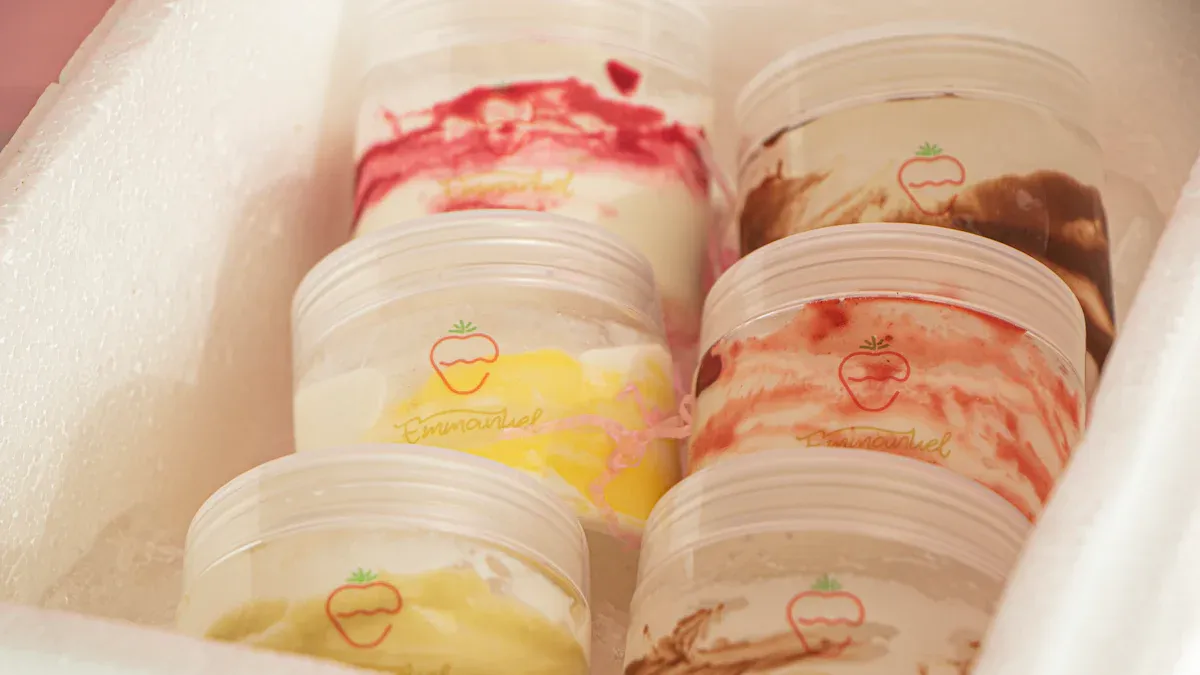
Keeping your ice cream fresh and tasty is easy when you know a few tricks. You do not need fancy equipment or special skills. Just follow these simple tips to enjoy every scoop.
Airtight Containers
You might think any container works, but airtight containers make a big difference. They keep air out and help your ice cream stay creamy.
- Airtight containers prevent freezer burn, which can ruin texture and flavor.
- They help block out unwanted odors from other foods in your freezer.
- You can extend the shelf life of your ice cream by minimizing ice crystal formation.
Tip: Use shallow, airtight containers for homemade ice cream. This helps freeze it evenly and makes scooping easier.
If you label your containers with the date and flavor, you will always know what’s inside and when you made it.
Freezer Placement
Where you put your ice cream in the freezer matters more than you might think. The back of the freezer is the best spot because it stays cold and steady.
- Store ice cream at the back for consistent temperature.
- The ideal temperature is around -18°C (0°F). This keeps ice cream frozen but not rock hard.
- Avoid placing ice cream near the freezer door. The temperature changes every time you open it.
Keeping ice cream at the right temperature helps prevent big ice crystals and keeps the texture smooth.
Avoiding Fluctuations
Temperature changes are the enemy of good ice cream. When ice cream melts and refreezes, it forms large ice crystals and loses its creamy feel.
- Ice cream starts with small crystals that make it smooth.
- Fluctuating temperatures cause these crystals to melt and refreeze, making them bigger and grainy.
- Most quality problems come from temperature changes, not just how long you store it.
Here’s a quick checklist to help you avoid temperature swings:
- Keep your freezer set between -20°C and -18°C (-4°F to 0°F).
- Put ice cream back in the freezer right after serving.
- Do not leave ice cream out for more than a few minutes.
If you follow these tips, you can keep your ice cream fresh, creamy, and safe to eat every time. 🍦
What to Do with Suspect Ice Cream
The Sniff Test
You might think the sniff test is your best friend when checking ice cream. You open the carton, take a whiff, and decide if it smells okay. If you notice a sour or rancid smell, that’s a clear warning sign. Sometimes, spoiled ice cream gives off a strange odor. Trust your nose if you catch anything odd.
But here’s the catch: The sniff test can’t always protect you. Food safety experts say harmful germs like norovirus, salmonella, and E. coli can hide in ice cream without changing the smell or taste. You can’t see or smell these pathogens. Even if your ice cream looks and smells normal, it might still be unsafe.
So, while the sniff test helps you spot obvious spoilage, you shouldn’t rely on it alone. Always check for other signs before you dig in.
When to Discard
If you spot anything unusual, it’s better to play it safe. Eating spoiled ice cream can make you sick. You might get stomach pain, vomiting, or diarrhea. People with weak immune systems, kids, and seniors face bigger risks.
Here’s a quick checklist to help you decide when to toss your ice cream:
- Sour or rancid smell
- Large ice crystals on the surface
- Texture feels much harder than usual
- Color looks different or faded
- Gummy or sticky texture
Other things can spoil your ice cream, too:
- Temperature changes
- Exposure to air
- Contamination from dirty scoops
If you’re still unsure, use these guidelines from food safety authorities:
| Condition | Action |
|---|---|
| Ice cream has ice crystals and feels cold, like refrigerated | Discard |
| Thawed and held above 40°F for more than two hours | Discard |
🍦 Tip: When in doubt, throw it out! It’s not worth risking your health for a scoop.
You can keep your ice cream safe by checking for these signs and following simple rules. If anything seems off, trust your instincts and choose safety.
You can keep ice cream safe and yummy by following easy steps. Always smell and look at your ice cream before eating it. Make sure your freezer is at 0°F or colder. Use clean scoops and containers every time. Here are some important things to do:
- Wash all tools and surfaces a lot.
- Store your ingredients at the right cold temperature.
- Keep all your equipment very clean.
| Safety Practice | Why It Matters |
|---|---|
| Cold chain maintenance | Stops ice cream from going bad and keeps germs away |
| Hygienic packaging | Keeps ice cream clean after it is made |
If you follow these steps, you can enjoy your ice cream without worry! 🍦
FAQ
Can ice cream go bad if I never open it?
Yes, ice cream can spoil even if you never open it. Temperature changes in your freezer or a damaged carton can cause freezer burn or texture changes. Always check for ice crystals or odd smells before eating.
How long can I leave ice cream out before it goes bad?
You should not leave ice cream out for more than 20 minutes. If it melts and you refreeze it, bacteria can grow. For safety, put it back in the freezer right after serving.
Is it safe to eat ice cream with freezer burn?
Freezer burn does not make ice cream unsafe, but it does change the taste and texture. If you see large ice crystals or dry spots, the ice cream might not taste good. You can eat it, but it may not be enjoyable.
What happens if I eat spoiled ice cream?
You might get a stomachache, nausea, or diarrhea. Some people feel worse, especially kids or seniors. If you notice a strange smell, taste, or texture, throw the ice cream away.
Can I fix ice cream that has melted and refrozen?
No, you cannot fix melted and refrozen ice cream. The texture turns icy and grainy. Bacteria may grow during melting. It is safer to discard it and get a fresh carton.
Tips for keeping ice cream soft and delicious at home
How to Safely Refreeze Melted Ice Cream Without Compromising Quality
Which Packaging Material Best Preserves Butter Flavor and Shelf Life
10 Practical Ways to Lower Storage Costs in Butter Packaging