


Walking in a store, you see many products, each vying for your attention. Effective packaging design strategies go beyond just being a box; they represent how your brand greets shoppers. Did you know that 72% of people say packaging design affects what they buy? Additionally, 81% have tried something new because the packaging looked interesting.
Take a moment to look at your own packaging. Is it messy or hard to understand? If the design is too busy or the branding is weak, people may not choose to buy it. Good packaging design helps you stand out and sell more.
| Mistake Type | Description |
|---|---|
| Overcomplicated designs | Messy packaging can confuse people and obscure what makes your product good. |
| Weak branding | If your branding is hard to see, you risk losing loyal customers. |
Key Takeaways
- Simple packaging helps people trust your product. Use neat designs and easy-to-read labels. This helps shoppers feel sure about what they buy.
- Take away extra stuff from your packaging. A clear message makes your product stand out. It also helps customers remember it.
- Know who will buy your product. Make your packaging match what your customers like and care about.
- Pick colors carefully. Use color psychology to make people feel certain emotions. This can make your product look better on the shelf.
- Be honest with your packaging. Show your product the right way. This helps people trust you and want to buy again.
Simplicity in Packaging

Building Trust with Simple Design
You want shoppers to trust your product right away. Simple packaging helps with this. Clean lines and clear labels make people feel sure about buying. Complex designs can catch the eye, but they may seem like you are trying too hard. Simple packaging makes your product look real. People like easy-to-read information, like ingredient lists and expiration dates. A study from Purdue University found that about 70% of shoppers trust packaging with clear numbers. Only 40% trust packaging with fancy claims. Keeping things simple shows you are honest. Shoppers can see what is inside fast. This helps them decide quickly. Simplicity is a great way to build trust.
Tip: Pick fonts that are easy to read. Do not use too many colors. Shoppers like packaging that is honest and simple.
Removing Clutter
Cluttered packaging can confuse shoppers and make them walk away. If your design has too many words, pictures, or colors, people may not know what you sell. Almost 39% of shoppers ignore products with messy packaging. You want your brand to stand out, not get lost. Removing clutter lets your main message show. Shoppers remember your product and feel good about choosing it.
Here is how less clutter helps:
| Evidence | Description |
|---|---|
| Clarity and Memorability | Simple packaging is easy to spot and remember. |
| Information Overload | Shoppers skip products with too much stuff on them. |
| Visual Hierarchy | Clear design helps people see your brand name and key details. |
- Packaging is the first thing shoppers touch.
- Good design makes them want to buy.
- Simple packaging works best in busy stores.
When you keep things simple, shoppers feel sure and choose fast. Your product stands out for good reasons.
Relevance to Audience
Targeted Design Choices
You want your packaging to talk to your customers. When you know who buys your product, you can make packaging that feels special to them. Think about your audience’s age, gender, and income. Also, think if they are single or married. Go further and think about what they care about and what they like to do. Some people want to save money or avoid waste. Others may not trust new technology. If you know what matters to them, you can make packaging that shows you understand.
- Age, gender, income, and if someone is married are important.
- What people like and believe changes what they buy.
- People want to save time or avoid risk, and this affects design.
If you sell snacks for kids, use bright colors and fun shapes. If you sell luxury skincare, use fancy fonts and soft colors. Food packaging should be clear and simple. Luxury products need special designs and good materials. Fish products show people want certain pictures and easy labels. Every product type has its own look, so change your design to fit.
Tip: Ask, “What does my customer care about?” Use the answer to help you design.
Clear Messaging
You need to make your message simple to understand. Shoppers want to know what your product is and why it matters. If your packaging is confusing, they may not buy it. Telstra, a big brand, learned this. At first, people did not know if Telstra was cheap or expensive, new or old. When Telstra made its message clear and talked about being reliable, shoppers trusted the brand more. Clear messages help people trust and remember your product.
- Simple words help shoppers know your brand.
- Clear messages make people trust and remember you.
- Shoppers feel sure when they know what you offer.
Good packaging design always thinks about the customer first. When you use clear messages and the right design, your packaging stands out and connects with shoppers.
Effective Packaging Design Strategies: Color
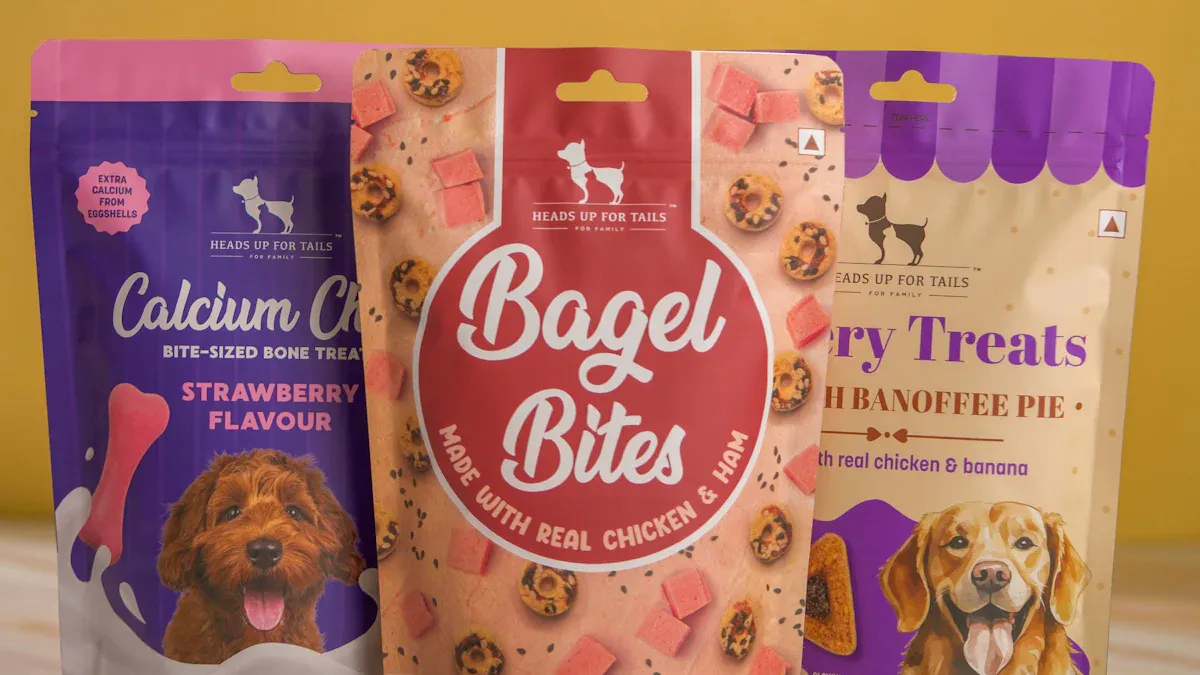
Color Psychology
Color gets people’s attention quickly. You want shoppers to see your product first. Picking the right colors can make people feel certain things. Red makes people feel excited and buy fast. Blue helps people feel safe and trust your product. Green is linked to health and nature, so eco-friendly shoppers like it. Yellow feels happy and warm, which younger people like. Black means luxury and high quality.
Bright colors make products look stronger or better. This happens with cleaning supplies and disinfectants. People think bold colors mean more power.
You can use packaging design strategies to match colors with your brand. If you sell healthy snacks, green is a good choice. If you want your product to look fancy, black works well. Bright colors help your product stand out, but use them carefully. Too much color can confuse shoppers or make them use products wrong, especially with health items.
Choosing Standout Palettes
You want your packaging to stand out on shelves. Try color blocking by putting different colors next to each other. This makes people notice your product. Monochromatic schemes use shades of one color for a simple look. Accent colors show important things, like your logo or a special offer.
Here are some brands that use standout palettes:
| Brand | Color Palette Used | Product Type |
|---|---|---|
| Tide | Mostly orange | Detergent |
| Canon | Red and white | Cameras and printers |
| Casio | Blue, black, white, grey | Watches |
| On the Run | Many colors for different flavors | Energy bars |
You can change your colors for different seasons. This keeps your packaging new and interesting. Using color harmony, like matching colors that look good together, helps your product feel balanced. Some brands use color to share their story. IKEA uses blue and yellow to show it is Swedish and make shopping fun. Coca-Cola’s red is famous and helps people remember the brand. Whole Foods uses strong colors to make signs easy to read, which helps shoppers.
Good packaging design strategies help you pick colors that fit your brand and connect with shoppers. When you use color well, your product is easy to see and hard to forget.
Right-Sizing
Shelf Impact
Some products fit on shelves just right. This is not by chance. When packaging is the right size, it looks neat. It stands out and does not get lost. You want your product to be noticed, not hidden or too big. Good sizing helps your product look better than others.
Right-sized packaging uses shelf space well. Stores like products that stack easily. They do not want wasted space. If your box is too large, it may go in the back. If it is too small, people might not see it. The right size makes your brand look professional. It keeps your product in front where shoppers can see it.
Using less packaging is good for the earth. Here are some ways right-sizing helps:
- Uses less material, which lowers carbon footprint.
- Makes recycling cardboard easier.
- Helps trucks carry more, so less fuel is used.
| Environmental Impact | Description |
|---|---|
| Lower Carbon Emissions | Using the right size means less empty space in trucks. More products fit in each trip. This cuts trailer use by 14%. |
| Less Material Waste | 3D cubing cartonization helps companies use 12.5% less corrugate per order. This saves about one square foot of material per box. |
| Reduce Product Damage and Returns | Boxes that are too big can damage products during shipping. This causes 24 million metric tons of CO₂ from returns each year. |
Customer Convenience
You want customers to enjoy picking up your product. Right-sized packaging makes it easy to carry and store. It is not too big or too weak. Shoppers like packaging that feels just right.
Opening the box should be fun and simple. When packaging fits well, it keeps the product safe. It also makes unboxing feel special. Customers notice when you care about details. This helps them trust your brand and buy again.
Look at these numbers about right-sized packaging:
| Metric | Percentage / Increase |
|---|---|
| People who tried something new because of packaging | 81% |
| People who bought again because of nice packaging | 63% |
| People who care about packaging keeping products safe | 84% |
| People who switched brands for better packaging | 52% |
| Satisfaction with packaging went up by | 50% (2018 study) |
| People who want eco-friendly packaging | 92% |
Getting the size right helps customers and the earth. It also helps your brand stand out on the shelf.
Honest Packaging
Accurate Representation
You want shoppers to believe what they see. Honest packaging means showing your product as it really is. Use clear labels and real pictures to help people feel sure about buying. If your box says it has 12 cookies, it should have 12 cookies inside. If you show a chocolate bar on the box, the real bar should look the same. People notice when the package matches what is inside. They remember brands that keep their word.
Regulatory guidelines help you stay honest. The law says you must show the right product name, net weight, and ingredients. You need to put this information where shoppers can see it. If you sell food or cosmetics, you must list all ingredients for safety. Here’s how rules help you:
| Impact Area | Description |
|---|---|
| Clarity and accuracy | Labels must be clear and not tricky, so people know how much they get. |
| Placement of information | Important details must be easy to find on the main part of the package. |
| Prohibition of deception | Packaging cannot trick people about size or amount, so shoppers know the truth. |
When you follow these rules, you build trust. Shoppers feel safe and want to buy again.
Avoiding Misleading Claims
Misleading packaging can hurt your brand quickly. If you stretch the truth or hide facts, people stop trusting you. They might write bad reviews or buy from someone else. You could even get in trouble with the law. Here are some problems that come from misleading claims:
| Consequence | Description |
|---|---|
| Legal Penalties | Companies can get fines from the government for lying in ads. |
| Lawsuits and Class Actions | People or other companies can sue if they are hurt by false claims. |
| Reputational Damage | Lying can make people dislike your brand and stop buying from you. |
| Corrective Advertising Orders | Companies may have to run ads to fix their mistakes, which costs money and hurts their image. |
| Erosion of Consumer Trust | Lying on packages makes people lose trust in your brand. |
- Wrong labels make shoppers not trust you.
- If the label does not match what is inside, people leave bad reviews.
- Losing trust makes shoppers try other brands that seem more honest.
Honest packaging helps you keep loyal customers. When you tell the truth and do not use tricks, shoppers feel good about your brand. They come back again and again. Being open and clear helps you build a strong bond. That is how you get repeat business and keep your brand strong.
Brand Storytelling
Sharing Your Journey
Your packaging can tell a story people remember. When you share your journey, shoppers feel close to your brand. You can show how your company began. You can talk about what you believe. You can explain why your product is special. This story helps you stand out from other brands.
Here are some good ways to show your brand’s story:
| Method | Description |
|---|---|
| Understand Your Brand’s Unique Story | Think about your history, values, and what makes you different. |
| Know Your Audience | Design packaging that speaks directly to your target customers. |
| Create Memorable Designs | Use simple illustrations and bold words to make your packaging easy to spot. |
| Utilize Bright Colors and Graphics | Choose colors and images that show your brand’s personality and message. |
| Craft Compelling Narratives | Pair visuals with short, engaging text to build a deeper connection. |
| Choose the Right Colors | Pick colors that match your brand’s values and spark the right feelings. |
Nike’s “Swoosh” logo is a good example. It shows movement and winning with one mark. Method uses fun designs to show their eco-friendly mission. Their packaging looks playful and meaningful.
Tip: Put a short story or message on your packaging. Even a few words can make your brand feel real and friendly.
Emotional Connection
You want shoppers to feel something when they see your product. Packaging can help people feel close to your brand. When you use smart design, your product feels personal and special.
- Packaging tells a story about your brand.
- It can make people feel happy or excited.
- Packaging people remember makes them buy again.
The right storytelling helps you stand out:
| Storytelling Element | Description |
|---|---|
| Emotional Connection | Builds a bond through shared feelings and values. |
| Brand Perception | Shapes how people see your brand by matching their identity and beliefs. |
| Visuals | Uses images and colors to grab attention and show your brand’s style. |
| Language | Adds depth with words that match your brand’s voice and connect emotionally. |
| Materials and Finishes | Shows your values, like using eco-friendly or luxury materials. |
| Sustainability | Tells a story of caring for the planet, which attracts conscious shoppers. |
When shoppers feel close to your brand, they stay loyal. Feeling attached makes people happy and keeps them coming back. Over 70% of people stick with a brand because of strong feelings. If your packaging makes people feel good, they will remember you and buy again.
Imagery and Instructions
Visual Cues
You notice packaging first because your brain loves pictures. High-quality images grab your attention faster than words. When you see a bright, clear photo of a product, you feel good about it. You start to trust the brand. Premium-looking packaging makes you think the product is high quality or even luxurious. If the design is clean and shows the actual product, you believe it’s honest.
- Attractive packaging with sharp images creates positive feelings and makes you want to buy.
- Your brain processes visual cues quickly, so you understand what the product is right away.
- Simple designs that show the product build trust and make you feel confident.
Visual cues also guide you. Arrows, icons, and pointers help you know what to do next. You might see a hand pointing to a lid or a sticker that says “Open Here.” These cues make your shopping experience easier.
| Visual Cue Type | What It Does |
|---|---|
| Arrows | Direct your attention |
| Icons | Show product features |
| Brand colors | Help you remember the brand |
Clear Usage Directions
You want to know how to use a product without guessing. Clear instructions on packaging help you feel sure and avoid mistakes. When you see simple steps or easy-to-read directions, you feel confident. If you need to return an item, instructions tell you how to pack it and what materials to use. This reduces errors and keeps products safe.
- Concise assembly steps make unboxing fun and stress-free.
- Clear directions boost your confidence and satisfaction.
- Good instructions lower the chance of returns and complaints.
You remember brands that make things easy. Packaging with helpful visuals and instructions creates a great first impression. You might even share your experience on social media if the unboxing feels special. Over 85% of your decisions happen in your subconscious, so packaging design and instructions matter a lot.
Tip: Use pictures, icons, and short sentences for instructions. Make each step easy to see and follow. Your customers will thank you!
You can make your product stand out by using these seven tips. Research shows that color contrast, clear labels, and smart design help shoppers notice your product fast. When you invest in effective packaging design strategies, you boost sales and build trust. Here’s what you gain:
- Your brand gets noticed first.
- Shoppers feel connected and choose your product.
- Sales go up, and loyalty grows.
| Case Study | Result |
|---|---|
| Retail Packaging | More sales and stronger brand loyalty |
| Small Firms in Nigeria | Better sales performance |
| Pack Design E-book | Sales growth through smart packaging |
Try these tips and watch your packaging pop on every shelf!
FAQ
How do I know if my packaging stands out on the shelf?
You can ask friends or customers for honest feedback. Take a photo of your product on a crowded shelf. If you spot it right away, you’re on the right track!
What colors work best for packaging?
Bright colors like red, yellow, or green grab attention. Soft colors feel calm and safe. Pick colors that match your brand and make your product easy to see.
Why is simple packaging better?
Simple packaging helps people trust your product. Shoppers find what they need faster. You avoid confusion and make your brand easier to remember.
Can packaging really increase sales?
Yes! Good packaging catches eyes and builds trust. Many shoppers try new products just because the packaging looks great. You can boost sales with smart design choices.
See also
Butter packaging box savings with batch purchase options
Dairy product packaging trends for 2026
Why Switching to In Mold Labeling Can Boost Your Margarine Sales by 20 Percent
How Injection Molding and Blow Molding Differ in Manufacturing