


You want to stop using plastic, right? You can pick sustainable alternatives to plastic packaging instead of traditional plastic options. These choices help keep the earth safe. They break down quickly and use materials that grow again. They also help lower pollution. Many companies now use paper, glass, metal, biodegradable materials, plant-based items, cloth, beeswax wraps, edible packaging, mushroom packaging, compostable options, cardboard, jute, and hemp. When you switch to sustainable alternatives to plastic packaging, you make less trash that gets used once. You help make the world cleaner. This blog shows you easy choices for your house or work.
Key Takeaways
- Using sustainable packaging helps cut down plastic waste. It also lowers pollution and keeps the earth cleaner.
- Compostable plastics break down much faster than normal plastics. They turn into soil and water. This helps the environment.
- Cardboard paper bottles and plant-based plastics lower carbon emissions. They also use renewable resources.
- Reusable packaging means less trash. You can use it many times. This is good for the planet and saves money.
- Edible packaging helps lower waste. You can eat it or compost it. This supports a circular economy.
Compostable Plastics

Overview
Compostable plastics are easy to find now. They are made from things left over from plants like bagasse, barley, and wheat. Companies use these materials to make packaging that looks like plastic. You can buy bags, wraps, and rings for cans made from compostable plastics. People like these products because they break down much faster than regular plastic. The market for compostable plastics is getting bigger.
- The market for compostable plastics in packaging may grow by 6.51% from 2025 to 2032.
- In the USA, the growth rate could be about 6.27%.
- North America might see a rate of 7.2%.
- More people want sustainable alternatives to plastic packaging, so more companies make them.
How They Work
Compostable plastics use natural ingredients. When you put them in a compost bin, heat, water, and tiny living things help break them down. These plastics do not last forever like regular ones. If the conditions are right, they turn into soil and water.
Choosing packaging that disappears helps the planet instead of leaving trash for years.
Compostable plastics like PLA and PBAT/starch break down much faster than regular plastics like LDPE and PS. For example:
- A food bag made from compostable plastic can break down up to 93% in industrial composting.
- A waste bag made from other materials may only break down 75%.
- How fast they break down depends on the type, thickness, and water amount.
Environmental Benefits
You help the earth when you use compostable plastics. These materials break down on their own, so they do not fill up landfills or pollute the ocean. You make less pollution and help animals stay safe. Compostable plastics use things that grow again, so they do not need fossil fuels. Every time you pick these products, you help keep the world clean.
Examples
You can find compostable plastics in lots of places. Saltwater Brewery uses compostable rings for their drink packs. These rings break down in the ocean, so they do not hurt sea animals. Many stores sell compostable bags and containers. You can use these at home or work to support sustainable alternatives to plastic packaging.
Cardboard Paper Bottles
Overview
You might see more brands using cardboard paper bottles on store shelves. These bottles use recycled paper for the main body and a thin plastic lining inside. The paper makes the bottle strong and light. The plastic lining keeps water or other drinks from leaking out. You get a bottle that feels different from regular plastic, but it still works well. Many people like these bottles because they look natural and feel good in your hand.
How They Work
Cardboard paper bottles use layers. The outside layer is thick paper made from recycled materials. Inside, a small amount of plastic lines the bottle to keep liquids safe. This design makes the bottle water-resistant. When you finish your drink, you can recycle the paper part. Some companies make the lining easy to remove, so you can recycle both parts. You help the planet by choosing bottles that use less plastic.
Environmental Benefits
Switching to cardboard paper bottles helps cut down on plastic waste. These bottles use renewable materials, so you do not rely only on oil-based plastics. You also help lower carbon emissions. Take a look at this table to see the difference:
| Bottle Type | Carbon Emissions (kg CO₂e per 10,000 units) |
|---|---|
| Molded Pulp | 355 |
| PLA Bottles | 580 |
You can see that molded pulp bottles, which use mostly paper, create much less carbon pollution than bottles made from plant-based plastic (PLA). By picking these bottles, you make a real impact on the environment.
Examples
Some companies lead the way with cardboard paper bottles. Seed Phytonutrients uses bottles that have 60% less plastic than regular ones. You can find water, shampoo, and even soap in these bottles. Many brands now look for sustainable alternatives to plastic packaging, and cardboard paper bottles are a smart choice. Next time you shop, try picking a product in a paper bottle. You help reduce waste and support a cleaner world.
Plant-Based Plastics
Overview
Plant-based plastics are easy to find now. They come from things like cornstarch and bamboo fibers. PLA is another material made from plants. Companies use these to make bottles and food containers. They also use them for snack wraps. These products look and feel like normal plastic. But they are made from plants, not oil. People pick plant-based plastics because they want to help the earth.
How They Work
Plant-based plastics use natural things. Makers take starch from corn or fibers from bamboo. They turn these into a plastic-like material. PLA is a popular type. You can use these plastics like regular ones. When you finish, you can put them in a compost bin. Heat and air help break them down. You do not need special tools at home. But industrial composting works best.
Tip: Always read the label before composting plant-based plastics. Some types need special composting places.
Environmental Benefits
You help the planet when you choose plant-based plastics. These materials use less fossil fuel. They make fewer greenhouse gases. Here are some facts:
- Bioplastics make 26% less greenhouse gas than regular plastics, says Michigan State University.
- A study found using corn-based PLA could cut U.S. greenhouse gases by 25%.
- Using renewable energy to make these plastics drops emissions by 50 to 75%.
Plant-based plastics break down faster than regular ones. Look at this table:
| Material Type | Biodegradation Rate | Timeframe (Days) |
|---|---|---|
| Pure PLLA | 100.2% | 49 |
| Bag Samples | Fully Decomposed | 49 |
| Commercial PLA Bottles | Noticeable Decomposition | 30 |
| PLA in Compost | Decomposed under aerobic conditions | 45-60 |
These materials do not last for hundreds of years. They turn into soil in just a few weeks.
Examples
You see plant-based plastics in many products. Innocent uses PLA bottles for drinks. Stores sell food containers and wraps made from cornstarch or bamboo. When you pick these items, you help the earth. You lower pollution and keep the planet clean.
Hemp Plastics
Overview
Hemp is not just for making clothes or rope. It can also be used to make plastics for packaging. These plastics come from hemp plants grown on farms. They are used in food, cosmetics, and shipping. Hemp grows quickly and does not need much water. The material is strong and feels like plastic, but it is made from a plant. Many people want to stop pollution. Hemp plastics are a smart way to help.
How They Work
Hemp plastics start with the stalks of hemp plants. Makers take the fibers and mix them with other natural things. This creates a polymer that can be shaped into bottles and containers. Some companies mix hemp with recycled plastics to make stronger products. You can use hemp plastics just like regular ones. When you are done, you can compost or recycle them.
Did you know? Hemp plastics break down much faster than regular plastics. Choosing hemp helps the earth.
Environmental Benefits
Picking hemp plastics helps the planet. Hemp needs little water and almost no pesticides. Making hemp plastics uses less energy and makes fewer greenhouse gases. Hemp plastics break down in three to six months. Regular plastics can last for hundreds of years. Hemp plastics do not use harmful chemicals. They keep soil and water clean. Look at this table to see how hemp plastics compare to regular plastics:
| Aspect | Hemp Plastics | Traditional Plastics |
|---|---|---|
| Energy Requirements | Lower energy for production | Higher energy for production |
| Greenhouse Gas Emissions | Reduced emissions | Higher emissions |
| Biodegradability | Decomposes in 3-6 months | Takes hundreds of years |
| Chemical Use | Minimal harmful chemicals | Often involves harmful chemicals |
| Pesticide Use | Requires little to no pesticides | Often requires pesticides |
| Water Consumption | Lower water usage | Higher water usage |
You can see hemp plastics are better in many ways. Choosing hemp helps save water and energy.
Examples
You can find hemp plastics in many products now. The Hemp Plastic Company makes eco-friendly packaging. Some brands use hemp plastics for bottles and jars. You might see hemp trays or containers at stores. If you want sustainable alternatives to plastic packaging, hemp plastics are a good choice. Next time you shop, look for hemp packaging. Every time you buy it, you help the earth.
Recycled Plastics
Overview
Plastic is everywhere you look. You see bottles, bags, and containers at home and in stores. When you throw them away, they can end up in landfills or oceans. Recycled plastics give old items a second chance. Companies collect used plastics and clean them. They turn these plastics into new things. Picking recycled packaging helps the earth. This choice is one of the best sustainable alternatives to plastic packaging.
How They Work
Recycling plastics starts with sorting by type. Workers or machines separate the plastics. Then, the plastics get washed to remove dirt and labels. After cleaning, machines shred the plastics into small bits. These bits melt and become pellets. Factories use the pellets to make new bottles and shipping materials. They also make clothing from recycled plastics. You help this process when you recycle at home or buy recycled products.
Tip: Look for recycling symbols on packages. Recycling the right way helps the planet.
Environmental Benefits
Recycled plastics help the earth in many ways. You make less waste and keep trash out of landfills. You also save energy and important resources. Here are some main benefits:
- Mechanical recycling cuts down on waste.
- It saves resources and energy.
- It helps create jobs.
If you recycle one ton of plastic, you save lots of energy. Recycling also lowers greenhouse gases and makes your carbon footprint smaller. You help the economy and create jobs when you pick recycled packaging.
| Benefit | Impact |
|---|---|
| Waste Reduction | Less plastic in landfills and oceans |
| Energy Conservation | Saves energy during production |
| Economic Growth | Creates jobs and helps local business |
| Lower Emissions | Reduces greenhouse gases |
Examples
You see recycled plastics in many products. In Europe, companies recycle PET bottles for new drinks. Shipping materials often use recycled plastics. Some brands make trays, containers, and even furniture from recycled materials. When you shop, look for packaging made from recycled plastics. Every choice helps the earth.
Reusable Packaging
Overview
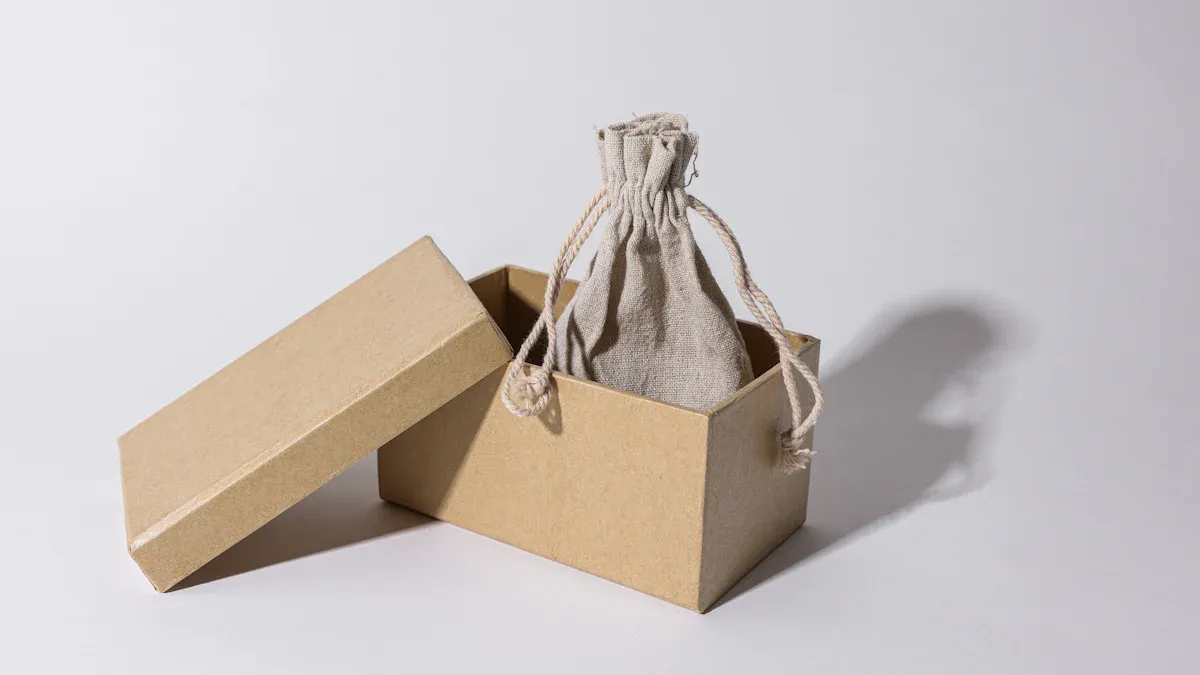
Reusable packaging is easy to find now. Companies make boxes, bags, and containers you can use again. These packages work for shipping, food delivery, and stores. You do not throw them away after one use. You clean them and use them again. This helps you make less trash and save money. Reusable packaging is a smart choice for the planet.
How They Work
Reusable packaging is simple to use. You get a box or container made from strong materials. It can be plastic, metal, or glass. After you use it, you clean it or return it. Some places let you swap empty containers for full ones. Shipping boxes can travel between stores and warehouses many times. You might use a reusable bag for groceries. You can also use a sturdy lunch box for school.
Did you know? Some reusable containers last up to 300 uses in shipping. Takeaway food containers can be used 200 times. You need to reuse a container at least 20 times to help the earth. The more you reuse, the better it is for nature.
Environmental Benefits
Choosing reusable packaging helps the earth a lot. You make less trash and keep streets clean. Reusable systems help use resources wisely. They lower your impact on nature. A study found reusable plastic containers cut global warming by 31%. They also lower solid waste by 86% compared to single-use boxes. You save energy and protect the planet every time you reuse a package.
| Benefit | Impact on Environment |
|---|---|
| Waste Reduction | Less trash, cleaner earth |
| Resource Conservation | Fewer new materials used |
| Lower Emissions | Reduced carbon footprint |
Examples
Reusable packaging is used in many places. Stores use strong shipping containers that go back and forth. Some grocery stores have bins you can use again. Restaurants may give you food in containers you return later. You can buy reusable water bottles, lunch boxes, and shopping bags. Every time you pick reusable packaging, you help make the world cleaner.
Edible Packaging
Overview
You might find edible packaging in your favorite snacks or drinks. This packaging uses food-grade materials that you can safely eat. Makers use things like seaweed, rice, potato starch, and even milk proteins. You get a wrapper or container that looks and feels like regular packaging, but you can eat it or let it break down naturally. Edible packaging is becoming more popular as people look for new ways to protect the planet.
- The edible packaging market is growing fast.
- It could reach about $1,054.6 million by 2031, up from $608.84 million in 2023.
- The market grows at a rate of 7.3% each year.
- More people care about the environment and want better food technology.
How They Work
Edible packaging works in a simple way. You use it just like any other wrapper or bottle. After you finish your snack or drink, you can eat the packaging or toss it in the compost. The materials break down quickly and do not harm nature. Some edible packaging even adds flavor or nutrients to your food. You help the earth every time you choose these products.
Tip: Always check the label to make sure the packaging is safe to eat. Some types are made for composting instead.
Environmental Benefits
You help reduce waste when you pick edible packaging. Plastic packaging fills landfills and pollutes the earth. Edible packaging breaks down into harmless organic compounds. It does not stay in the environment for hundreds of years. You support a circular economy and lower your ecological footprint. Edible packaging is biodegradable and compostable, so it fits well with sustainable alternatives to plastic packaging.
Examples
You can find edible packaging in many products now. Water pods made from seaweed extract let you drink and eat the pod. Some companies use rice paper to wrap candies or snacks. You might see edible cups or spoons at events. These options make it easy to enjoy your food and help the planet at the same time.
Sustainable Alternatives to Plastic Packaging
Benefits of Sustainable Alternatives
Do you want to help the earth? When you pick sustainable alternatives to plastic packaging, you help in many ways. Here are some big benefits:
- You make less pollution. Plant-based and plastic-free packaging keeps trash out of landfills and oceans.
- You lower your carbon footprint. Green materials use less energy and come from things that grow again, so you help cut down carbon emissions.
- You support a circular economy. Compostable packaging lets you give nutrients back to the earth, saving resources and making less waste.
Did you know? Most people care about the planet. About 74% to 82% of shoppers say they will pay more for products with sustainable packaging. Younger buyers, ages 18 to 24, reach up to 90%. When you pick eco-friendly packaging, you join a big group.
Green packaging helps brands too. Companies that use sustainable materials earn trust and loyalty. People see these brands as leaders who protect the planet. You feel proud to support them, and they stand out.
Choosing the Right Solution
Picking the best green packaging can be hard. You want something that works for your product and helps the earth. Think about these things:
- Product size and weight
- Type of packaging you need (like shipping boxes or packs for stores)
- Materials that are easy to recycle, reuse, or compost
- Efficient ways to make the packaging
Look at this table to help you choose:
| Criteria | Description |
|---|---|
| Material Sustainability | Pick packaging that is easy to use and matches your eco goals. |
| Supplier Reliability | Work with suppliers who give good quality and meet your deadlines. |
| Pilot and Measure | Try new packaging on a few products and ask for feedback. |
You can also find packaging that fits your brand and budget. Test a new solution and see what your customers think. When you make smart choices, you help the earth and make your business stronger.
You help the earth a lot when you pick sustainable alternatives to plastic packaging. Here is what you do:
- You make less carbon pollution.
- You put less trash in landfills.
- You help with recycling and composting.
- You save natural resources.
Each time you use green packaging, you help stop plastic pollution. You also show people that it is easy to care for the planet. Try these choices at home or at work. Buy from brands that care about the earth. Tell your friends so they can help too!
FAQ
What is the easiest way to switch to green packaging at home?
Start by using reusable bags and containers. You can also use wraps that you can reuse. Try compostable or recycled items for storing food. When you shop, look for eco-friendly labels on products.
Can you recycle compostable plastics in regular bins?
No, you cannot put compostable plastics in normal recycling bins. Compostable plastics need special places to break down. Always check your local rules before throwing them away.
Are plant-based plastics safe for food?
Yes, plant-based plastics are safe for food use. Companies test these materials to make sure they are safe. You can use them for snacks, drinks, and leftovers.
Does green packaging cost more?
Green packaging can cost a bit more sometimes. You save money by reusing containers and making less trash. Many brands now have options that do not cost a lot. 😊
See also
Reliable food grade PP plastic box manufacturer
Butter packaging box savings with batch purchase options
Why Food-grade PP Is the Smartest Choice for Margarine Packaging
Why Switching to In Mold Labeling Can Boost Your Margarine Sales by 20 Percent