


Quick answer
IML PP yogurt cups are innovative because they combine custom cup shapes, full-wrap graphics, durable label integration and recyclable polypropylene packaging in one production process.
The main environmental benefit is that the label is molded into the PP cup without a separate adhesive layer. When the cup and label structure are compatible, the package can support a cleaner mono-material direction, though recyclability still depends on local collection and sorting systems.
Static selection aid
Match IML yogurt cup innovations to brand goals
Different yogurt brands need different packaging advantages. Use this table to decide which IML PP cup feature matters most before choosing a cup format or custom mold.
| Brand goal | Useful IML PP innovation | Buyer question |
|---|---|---|
| Stronger shelf appeal | Full-wrap in-mold label graphics | Does the artwork stay sharp on the real molded cup shape? |
| Premium product positioning | Custom shape, texture and lid design | Can the shape improve shelf recognition without hurting filling or stacking? |
| Cold-chain performance | Food-grade PP cup and secure closure | Does the cup keep its shape, lid fit and label quality under refrigeration? |
| Environmental positioning | Compatible PP cup and IML label structure | Does the finished decorated package support the claim in the target market? |
A good IML PP yogurt cup should balance marketing, manufacturing, food safety and end-of-life expectations.
Innovation 01
Custom cup shapes help yogurt brands stand out
One of the biggest design advantages of IML PP yogurt cups is shape flexibility. A yogurt cup does not have to stay in one basic round format. Depending on the market position, brands can use round, square, oval, tapered, family-size or portion-control formats.
Custom shape design helps brands create stronger recognition on crowded dairy shelves. A premium Greek yogurt, children’s yogurt, fruit yogurt, private-label dairy line and functional probiotic yogurt may all need different packaging cues. Shape, lid height, cup depth and label area should be planned together.
Design should still support production
A distinctive cup shape is only useful if it can be molded consistently, filled efficiently, sealed properly and stacked during transport. Buyers should avoid shapes that look attractive in a rendering but create problems with label placement, lid fit or packing density.
Innovation 02
Full-wrap IML labels turn the yogurt cup into a branding surface
In-mold labeling allows the printed label to become part of the cup during molding. Instead of applying a label after the cup is formed, the label is placed inside the mold first. The injected PP bonds with the label structure and creates a finished cup with integrated decoration.
This gives yogurt brands more usable surface area for product photography, flavor coding, nutrition messages and brand identity. It also helps the package maintain a clean appearance in refrigerated display, where moisture and handling can weaken ordinary labels.
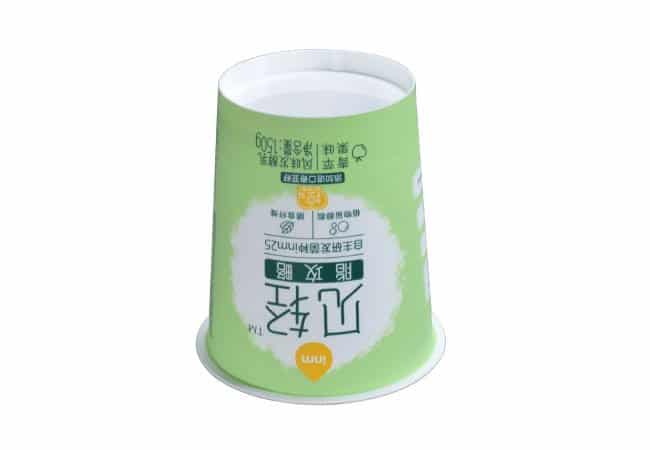
IML decoration can help yogurt cups show stronger color, clearer flavor cues and a more premium retail appearance.
Why label placement accuracy matters
A small registration error can make a cup look less professional. Artwork may appear crooked, barcode areas may move, or flavor images may no longer align with the cup shape. For this reason, IML projects should review label die lines, mold design, robot placement and quality inspection together.
Innovation 03
PP material supports light weight, durability and dairy packaging performance
Polypropylene is widely used for yogurt cups because it can offer a practical balance of light weight, moldability, stiffness and food packaging performance. For dairy brands, PP can support portion cups, family-size tubs, lids and IML-decorated formats.
PP also works well with injection molding, which is why it is often selected for IML packaging. The material can form stable cup walls, smooth rims and consistent shapes when tooling and molding conditions are controlled properly.
- Lightweight structure for efficient transport
- Good molding flexibility for different cup shapes
- Compatibility with secure lids and sealing systems
- Suitable surface for in-mold label integration
- Potential mono-material direction when the label structure is compatible
Food-contact suitability still needs documentation
Food-grade PP should be specified by resin grade, intended conditions of use and target market. Buyers should request food-contact declarations and supporting documentation for the finished cup, including any labels, inks or colorants used in the IML system.
For more background, review Honokage’s guide to food-grade PP packaging.
Innovation 04
Glue-free decoration can simplify the package structure
A key environmental advantage of in-mold labeling is that the label is integrated during molding instead of being attached later with a separate adhesive layer. This glue-free decoration can reduce label edge lifting and help create a cleaner package structure.
For yogurt cups, this is especially useful because refrigerated environments may include condensation, handling and temperature changes. A label that is part of the cup body is less likely to peel compared with many post-applied labels.
Environmental claims should be precise
It is better to say that IML can support a more recyclable mono-material direction when the cup, label and decoration system are compatible. Avoid claiming that every IML yogurt cup is automatically recyclable everywhere. Local recycling rules, sorting systems and label structures still matter.
Innovation 05
Functional design improves filling, sealing and consumer use
IML PP yogurt cup innovation is not only visual. The package also needs to perform during filling, sealing, cold storage, transport and consumer use. A cup that looks attractive but seals poorly or stacks badly can create real cost for a dairy brand.
Functional design includes rim geometry, wall thickness, stacking rings, lid fit, sealing-film compatibility and cup stiffness. These details affect leakage, deformation, transport safety and how easy the cup is to handle at home.
| Design detail | Why it matters | What to test |
|---|---|---|
| Rim design | Supports lid fit or sealing-film performance | Peel strength, burst resistance and leakage |
| Wall thickness | Affects stiffness, weight and molding stability | Stacking, drop and filling-line handling |
| Stacking feature | Reduces transport movement and storage space | Nested separation and pallet compression |
| Label area | Protects artwork quality and compliance panels | Registration, barcode readability and distortion |
For sealing-related background, see Honokage’s guide to yogurt cup sealing film compatibility.
Innovation 06
Environmental friendliness depends on the complete cup system
IML PP yogurt cups can support environmental goals in several ways. They can reduce the need for separate adhesive labels, support lightweight packaging, use recyclable polypropylene and create durable decoration that stays attached through normal handling.
However, environmental friendliness should be evaluated through the complete cup system. The cup, label, ink, lid, sealing film, transport efficiency and local recycling pathway all influence the final sustainability position.
What buyers should confirm
- Base resin and resin identification code
- IML label compatibility with PP recycling direction
- Ink and color choices that may affect sorting or appearance
- Local recycling guidance for the target market
- Whether lightweighting affects stacking, sealing or transport performance
For broader context, buyers can review the U.S. EPA recycling guidance and compare it with local market requirements.
For packaging buyers
IML PP yogurt cup buyer checklist
Use this checklist before approving a custom IML PP yogurt cup project or moving from sample approval to mass production.
- Cup format: size, shape, wall thickness, stacking and lid or film requirement.
- Artwork: label area, flavor coding, barcode location and nutrition panel readability.
- Material: PP resin grade, label film, ink system and approved alternatives.
- Food-contact documents: target-market declaration and intended use conditions.
- Performance: sealing, lid fit, cold storage, stacking and transport tests.
- Sustainability: compatible material structure and realistic recycling claim.
- Production control: label registration standard, defect limits, sample approval and change-control rules.
Buyers can compare Honokage’s yogurt container range before deciding whether an existing cup, modified design or fully custom mold is the best starting point.
Common buyer questions
IML PP yogurt cup FAQ
What is an IML PP yogurt cup?
It is a yogurt cup made from polypropylene and decorated with in-mold labeling. The printed label is placed inside the mold and bonds with the cup during injection molding.
Why do yogurt brands use IML packaging?
IML packaging gives yogurt brands stronger shelf graphics, durable decoration, custom design options and a cleaner premium appearance in refrigerated retail displays.
Are IML PP yogurt cups environmentally friendly?
They can support environmental goals when the PP cup and label structure are compatible and the local recycling system accepts the finished package. Buyers should verify the complete cup system before making recycling claims.
Can IML yogurt cups be customized?
Yes. Brands can customize cup shape, size, label coverage, artwork, lid fit, sealing requirements and surface finish depending on tooling and production requirements.
What should buyers test before approving IML PP yogurt cups?
Buyers should test molded samples for label registration, lid fit, sealing performance, cold storage, stacking, barcode readability, food-contact documentation and transport durability.
Primary sources
References and buyer starting points
Food-contact and environmental claims should be checked for the target market and intended product use. These sources support the packaging principles used in this guide.
YOGURT PACKAGING SOLUTIONS
Need Custom IML PP Yogurt Cups?
Honokage provides custom yogurt cups, IML PP containers, secure lids and sealing-compatible dairy packaging solutions designed to improve shelf appeal, protect freshness and support stable bulk production.