



The culture list—not the shape, flavor or word “probiotic” on the front—shows whether a yogurt identifies L. gasseri. Image: Eduardo Soares / Pexels.
Quick answer
For the clearest strain-level proof, look at Meiji LG21 or Megumi Gasseri SP in Japan.
Meiji Probio Yogurt LG21 identifies strain OLL2716. Megmilk Snow Brand’s Gasseri SP products identify strain SBT2055. Nature Megumi also lists SBT2055, but combines it with a Bifidobactérie culture.
In the United States, The Coconut Cult lists Lactobacillus gasseri among a 16-species coconut-yogurt blend. It does not publicly name the L. gasseri strain or separate its count from the total blend. Formulas and distribution change, so verify the current pack in your market. Product pages were checked on August 12, 2026.
Start with the evidence level
How can you confirm a yogurt contains L. gasseri?
Not every culture statement answers the same question. Use this three-level ladder before comparing brands.
Simple buying rule: if your reason for choosing a product comes from research on a specific strain, the product should identify that same strain. A species name or large total blend count is a lower level of evidence.
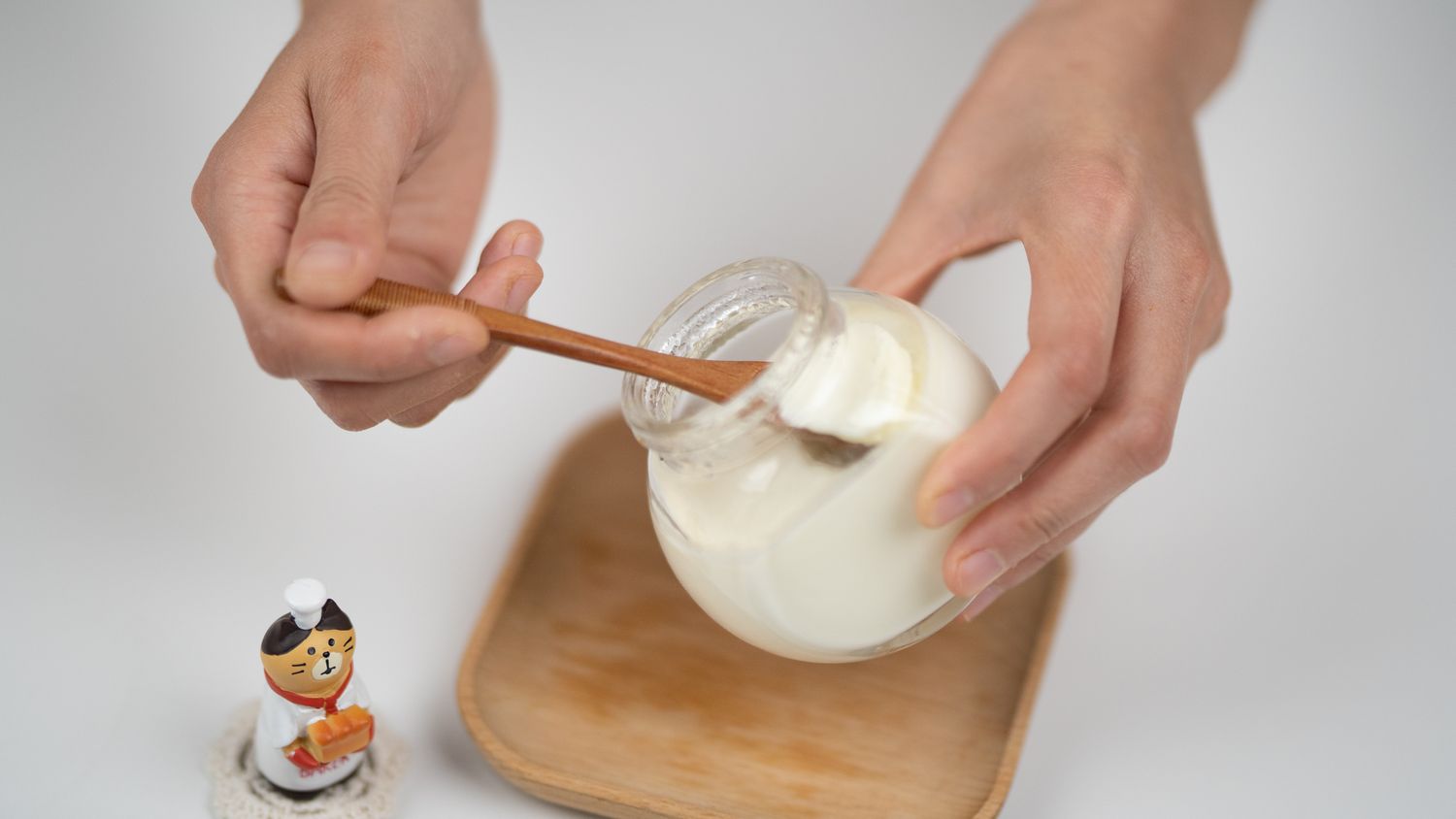
Use the package in hand: culture wording, strain code, serving, allergens, use-by date and refrigeration history all matter. Image: Cats Coming / Pexels.
Which current yogurts explicitly list L. gasseri?
These are current examples, not a complete global catalog or a health-effect ranking. A product may still be limited by country, retailer, flavor or production cycle.
Availability note: do not rely on an old package photo, marketplace title or copied product list. Imported refrigerated foods also need a traceable cold chain.

The Coconut Cult lists the species in a multi-species blend. That is useful confirmation, but it is not strain-level proof. Official product image: The Coconut Cult.
Why doesn’t ordinary yogurt automatically contain L. gasseri?
In the United States, the characterizing starter cultures for yogurt include Lactobacillus delbrueckii subsp. bulgaricus et Streptococcus thermophilus. Producers may add other cultures, but L. gasseri is not required.
This means plain yogurt can be valid live-culture yogurt without it. Greek yogurt is not proof either. “Greek” mainly describes a style or concentration process; straining removes liquid and changes solids, but it does not create a bacterial species.
The optional U.S. phrase “contains live and active cultures” addresses aggregate live-culture levels under FDA’s yogurt rule. It does not identify every optional organism or prove that a product contains a particular strain. The culture list or official strain information must answer that question.
Do not substitute species: L. acidophilus, L. casei, L. rhamnosus, L. reuteri et L. gasseri are not interchangeable just because they once shared the same genus name.
The critical naming detail
Species, strain and the newer L. paragasseri name
Read Lactobacillus gasseri SBT2055 in three parts: Lactobacilles is the genus, gasseri is the species and SBT2055 is the strain. OLL2716 is another strain code. Strains within one species can differ in important ways.
Genome-based taxonomy separated Lactobacillus paragasseri from L. gasseri. Newer scientific material may call OLL2716 or SBT2055 L. paragasseri, while consumer pages continue to use the familiar L. gasseri name.
For a product match, follow the strain code as well as the species spelling. A paper using a newer name and a package using an older name may refer to the same strain; two packages that only say L. gasseri may still contain different strains.
What do the current product disclosures actually show?
Meiji Probio Yogurt LG21: OLL2716
Meiji’s current Japan lineup identifies OLL2716 and lists 1 billion lactic acid bacteria in the reviewed cup and drink formats. Its updated scientific background refers to this strain as L. paragasseri OLL2716.
The line includes products with different sizes, ingredients, sweeteners, fat and calories. The shared culture platform does not make every LG21 product nutritionally identical.
Megumi Gasseri SP: SBT2055
Megmilk Snow Brand uses SBT2055 across a current Japan-market family. The core 100 g spoonable product identifies the strain and lists 1 billion organisms. Other versions may be sweetened, flavored or drinkable.
The Japan-market function statement is not automatic permission to make the same claim elsewhere. The official product information also makes clear that the product is not medicine and is not intended to cure disease.
Nature Megumi: a mixed-culture plain yogurt
The current 400 g plain tub lists at least 500 million SBT2055 and at least 1 billion B. longum SBT2928 per 100 g. It is a useful family-size option, but its culture mix and serving pattern differ from the 100 g Gasseri SP cup.
The Coconut Cult: species-level confirmation
The brand’s U.S. FAQ lists L. gasseri among 16 species and reports 50 billion CFU per fluid ounce at bottling for the whole blend. That supports the narrow statement that the species is listed.
It does not disclose the strain, the share of CFUs belonging to L. gasseri, or an end-of-shelf-life gasseri count. The coconut base is dairy free, but shoppers should still compare protein, calcium, saturated fat, added sugar, serving size and coconut sensitivity.

A strain may appear across single-serve cups, family tubs and drinks, but each finished SKU still needs its own formula, count, label and package review. Image: Honokage.
How to find the right product in a store or online
- Start with the exact country and product. A global brand can use different cultures or recipes across markets. Use the official regional site.
- Search for identity words. Rechercher Lactobacillus gasseri, L. gasseri, Gasseri SP, LG21, OLL2716 or SBT2055.
- Prefer the exact strain. This is essential when your reason for buying comes from research on that strain.
- Identify what the CFU number covers. It may apply to one strain, all lactic acid bacteria or a full multi-species blend. Never divide a combined count evenly unless the producer provides that breakdown.
- Check when the count applies. “At manufacture” or “at bottling” is different from a guaranteed count through the end of shelf life.
- Compare the whole food. Review serving size, added sugar, protein, saturated fat, calories, allergens and lactose wording.
- Inspect the cold product. Look for an intact seal, readable date, correct refrigerator temperature and a package matching the current official information.
Online marketplace caution: a seller title can copy an old formulation or use “probiotic” as a broad keyword. Ask for the current back label and evidence of refrigerated handling before buying an imported product.
What health benefits can you expect?
The species name alone cannot predict an outcome. Research on SBT2055, OLL2716 or another strain is tied to the exact viable dose, food matrix, serving pattern, study duration, population and measured endpoint.
For example, randomized research has tested an SBT2055 fermented-milk product for abdominal-adiposity outcomes in defined adults. That does not mean every food listing L. gasseri causes weight loss or treats obesity. Research on OLL2716 and stomach-related endpoints does not turn LG21 into a treatment for H. pylori, ulcers, dyspepsia or medicine side effects.
NIH also notes that a larger CFU number does not always mean a greater benefit. Identity matters. A high total count for 16 species does not tell you how much L. gasseri is present.
Lactose intolerance, milk allergy and probiotic safety
Lactose intolerance is individual
Some people tolerate yogurt better than milk, but a named gasseri strain does not make dairy lactose free. Look for a specific lactose-free claim and follow your personal tolerance or clinical guidance.
Milk allergy requires milk-protein avoidance
Meiji LG21 and dairy Megumi products contain milk. Fermentation does not make them suitable for a person with milk allergy. A coconut product avoids dairy ingredients, but coconut sensitivity and cross-contact wording still matter.
Some people need medical advice first
Probiotics have a history of generally safe use in healthy people, but risk can be greater in people who are severely ill or have weakened immune systems. Ask a qualified clinician before using a concentrated probiotic product in a high-risk medical setting.
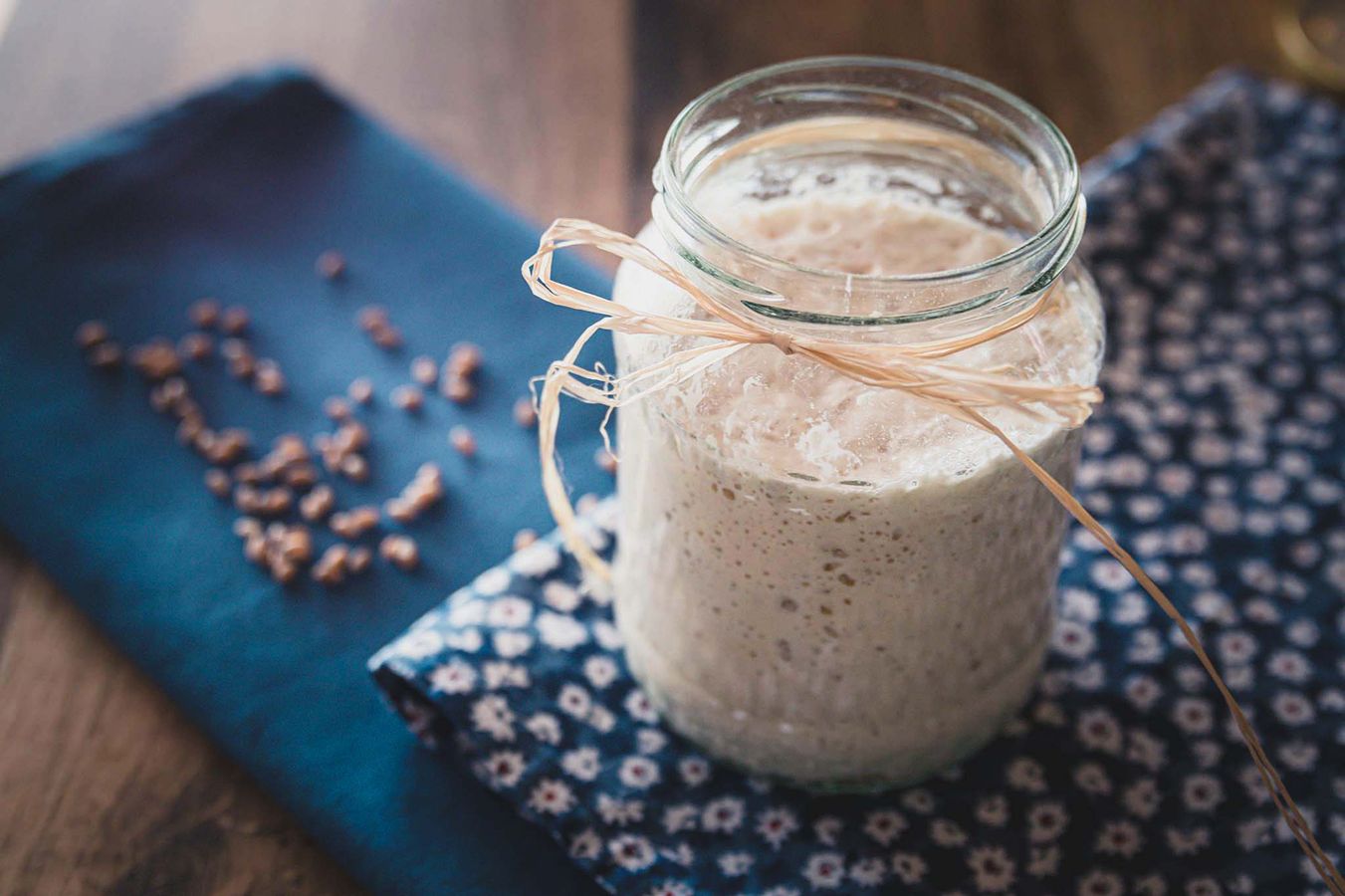
A home ferment may look like commercial yogurt, but appearance cannot confirm its strain, viable count, contamination status or shelf life. Image: Bátor Viktória / Pexels.
Is homemade L. gasseri “yogurt” equivalent?
No. A home ferment made from a probiotic capsule is not automatically equivalent to a commercial strain-specific yogurt or the food used in a clinical trial. The starting capsule, milk, time and temperature do not prove the final identity or count.
Without a validated culture, fermentation method, endpoint pH, sanitation plan and microbiological testing, a home cook cannot confirm which organisms grew, how many remain, whether unwanted microbes are present or how long the food is safe.
A supplemental probiotic also may not acidify or texture milk like the characterizing yogurt starters. If you choose to ferment dairy at home, use pasteurized milk, clean equipment, a validated food culture and method, temperature control, immediate refrigeration and conservative discard rules. Do not use a home ferment as a disease treatment.
Raw-milk warning: CDC recommends pasteurized milk and dairy products. A probiotic capsule does not remove the food-safety risks of raw milk.

For a strain-specific commercial yogurt, the formula, viable-count claim, serving size, cup, seal and cold chain must be developed as one system. Image: Honokage.
For brands, buyers and co-packers
How should a commercial L. gasseri yogurt be specified?
A brief that says only “add L. gasseri” is incomplete. Define the exact strain, supplier and traceability reference. Set CFU acceptance limits at manufacture and at the end of shelf life, with the analytical method and sampling plan.
Then define the finished food: target market, legal product identity, milk or plant base, nutrients, allergens, stabilizers, flavor, serving, fermentation parameters, endpoint acidity, filling conditions and intended claim. Research, label wording and advertising must all match the strain, dose, matrix, population and outcome that the evidence supports.
The package cannot create a health benefit, but it can help protect the validated food. Review cup or bottle geometry, headspace, seal land, foil or lid, oxygen and light needs, tamper evidence, coding, stacking, transport and the refrigerated route together.
Honokage’s current yogurt container range includes portion, portable and family-size formats. Its testing overview shows supplier-side inspection steps. Final approval still requires production-like filling, seal, cold-chain and shelf-life validation with the real formula.
Product and packaging brief
What should buyers send for review?

Empty-container checks are only one layer. A commercial probiotic yogurt also needs filled-pack seal, cold-chain, viable-count and shelf-life evidence. Image: Honokage.
Frequently asked questions
L. gasseri yogurt FAQ
Does all yogurt contain Lactobacillus gasseri?
No. The standard yogurt starters do not establish its presence. Look for the species or a strain such as OLL2716 or SBT2055 on the current label or official product page.
Which U.S. yogurt contains L. gasseri?
The Coconut Cult currently lists it among 16 species in refrigerated coconut yogurt. The public information does not identify its strain or separate its individual CFU count.
Does Greek yogurt contain it?
Not necessarily. Greek yogurt describes a style or concentration process. The words “Greek” and “live cultures” do not confirm this optional species.
What is the difference between OLL2716 and SBT2055?
They are different strains used in different product and research programs. Meiji LG21 uses OLL2716, while Megumi Gasseri SP uses SBT2055. Findings for one do not automatically validate the other.
Est L. gasseri the same as L. paragasseri?
They are separate species in newer taxonomy, but some strains formerly called L. gasseri are now described as L. paragasseri in scientific work. Match the strain code and product.
Does a live-cultures statement prove it is present?
No. That statement addresses live-culture levels, not one optional species. The culture declaration or official technical information must identify it.
Is a higher CFU count always better?
No. Exact microorganism identity, an evidence-supported dose, shelf-life viability, product matrix, serving pattern, population and outcome matter more than the largest headline number.
Does L. gasseri yogurt cause weight loss?
It is not a guaranteed weight-loss food. Some studies tested specific strains under defined conditions, but those results do not apply to every product or person. Yogurt is not an obesity treatment.
Can people with lactose intolerance eat it?
Some people tolerate yogurt better than milk, but tolerance varies and the strain does not remove lactose. Check for a verified lactose-free claim. Milk allergy is different and requires milk-protein avoidance.
Can I make it from a probiotic capsule?
A capsule-based ferment is not equivalent to a validated commercial yogurt or clinical-trial food. Without controlled fermentation and testing, its identity, count, safety and shelf life are unknown.
The best final choice depends on the proof you need
Choose Meiji LG21 with OLL2716 or Megumi Gasseri SP with SBT2055 when a named strain is the main requirement and a properly refrigerated Japan-market product is practical. Nature Megumi suits a shopper who wants a plain family tub and understands that it contains a mixed culture.
The Coconut Cult is a currently verifiable U.S. species-level option for someone avoiding dairy, but do not describe its 16-species total count as a dose of L. gasseri. It is not the same product or evidence level as either named-strain Japanese line.
Before checkout: verify the current market label, strain, count timing, serving, nutrition, allergens, seal, refrigeration and use-by date. Choose a food that fits your diet; do not choose a treatment promise the label and research cannot support.
Developing a strain-specific yogurt?
Match the strain, count claim, formula and package
Share your target market, exact strain, viable-count target, food base, net fill, process, shelf life, cold chain, cup or bottle, lidding system, artwork and annual volume. Honokage can review existing IML yogurt formats or a custom development route.
Sources and review notes
Product sources were checked on August 12, 2026. This guide is educational and does not replace medical, allergy, regulatory, label, food-safety or finished-package advice.
- Meiji LG21 official product lineup et Meiji OLL2716 background for current product and strain naming.
- Megmilk Gasseri SP product family et Nature Megumi official page.
- The Coconut Cult official FAQ for species list and total-blend count wording.
- FDA yogurt standard guidance for U.S. starter-culture and optional live-culture context.
- Fiche d'information sur les probiotiques du NIH, strain-specificity systematic review et SBT2055 fermented-milk trial for evidence boundaries.
- Microbiology Society taxonomic paper for the separation of L. paragasseri.
- NIDDK lactose-intolerance guidance, FDA allergen guidance et NCCIH probiotic safety guidance.
- CDC raw-milk safety guidance for the home-fermentation section.