


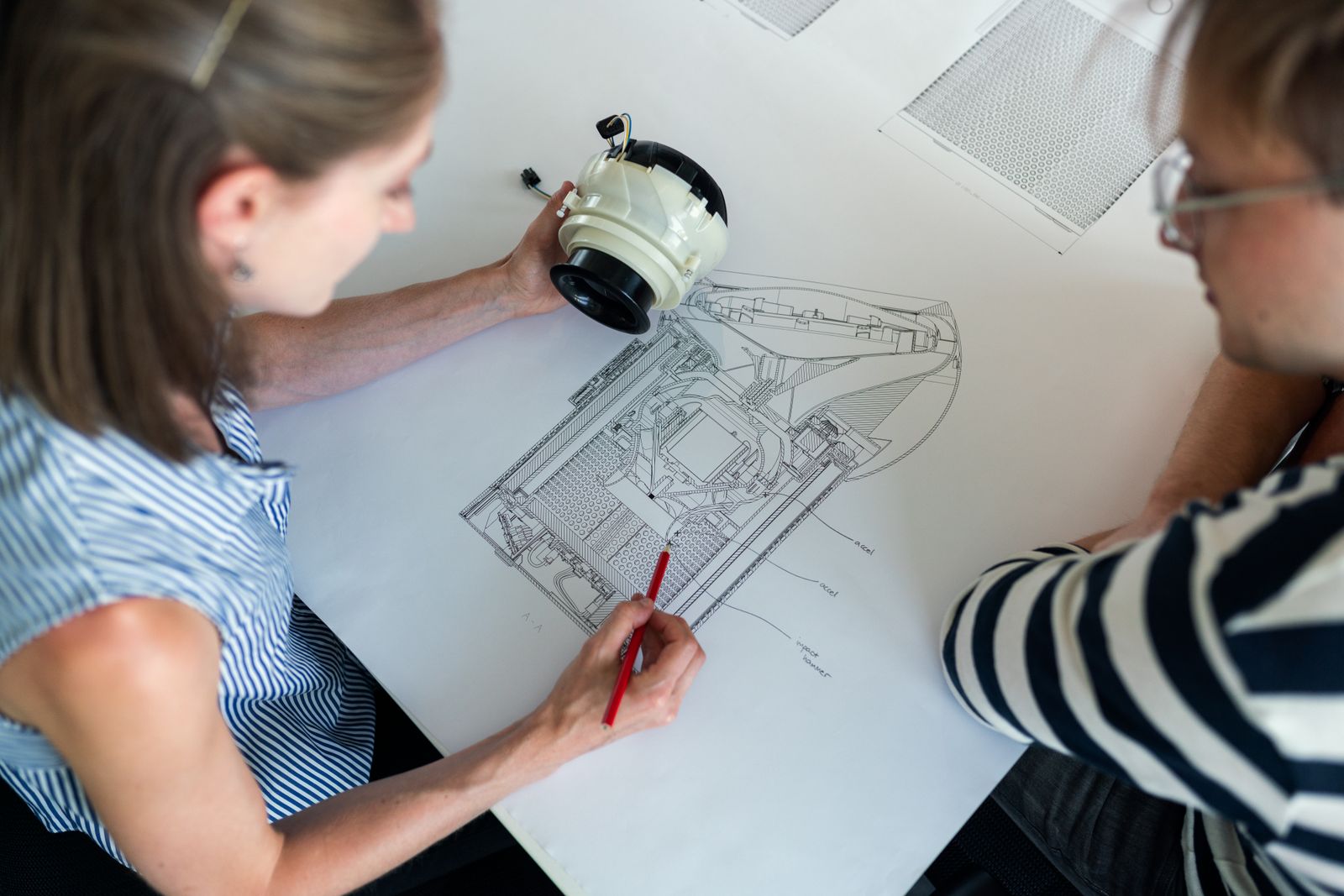
Fast answer
What has to happen between a product drawing and mass production?
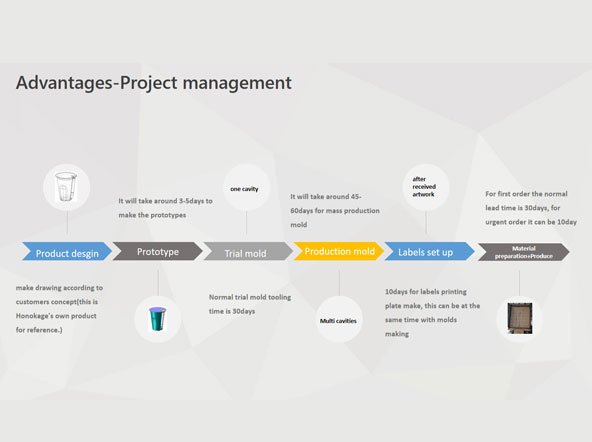
Use ten linked steps: freeze one controlled product definition; review the drawing, model, and requirements; complete DFM and risk analysis; choose the production route and supplier; align the RFQ, quotation, schedule, and quality plan; build purposeful prototypes; create production tooling and measurement; approve production-representative evidence through FAI, PPAP, or another agreed method; run a representative pilot; then release and ramp under change control.
The release rule: do not approve volume because one sample fits. Approve volume when the controlled production system has credible evidence that it can repeatedly deliver the approved part at the required rate.
Four facts to keep in view
The real decision
What must be proven before mass production begins?
The part definition and the production system both need approval. The product side defines geometry, material, finish, performance, appearance, labeling, packaging, and acceptance criteria. The process side controls machines, tooling, cavities or stations, material sources, settings, software, operators, gauges, inspection, maintenance, traceability, and reactions to failure.
In this guide, producción en masa means repeat scheduled or series production under a released process. It does not require millions of pieces. The same discipline applies to a monthly batch of high-value machined housings and a high-speed molded package, although the evidence should be proportionate to risk.
Scope: this is a general build-to-print path for CNC machining, injection molding, casting, forging, stamping or sheet metal, and suitable production additive processes. Automotive, aerospace, medical, defense, and other regulated contracts can add customer, statutory, and industry-specific gates.
Seven release gates
The drawing-to-production path at a glance
The ten steps below fit into seven practical gates. Each gate needs an output and a clear release question. Activities may overlap, but unresolved risk must remain visible.
| Gate | Evidence to request | Release question |
|---|---|---|
| 1. Controlled definition | Released model, drawing, specifications, revision, and precedence rule. | Does every party know exactly what must be made and tested? |
| 2. Feasibility and DFM | Closed clarification log, tolerance review, risk list, and approved changes. | Can the intended route meet function, inspection, cost, and rate? |
| 3. Commercial alignment | Quote basis, milestones, ownership, quality deliverables, and exclusions. | Are price, evidence, timing, tooling, and responsibilities aligned? |
| 4. Prototype learning | Named questions, sample deviations, test method, results, and design decision. | What did this sample prove, and what did it not represent? |
| 5. Production system | Tooling, flow, settings, instructions, gauges, maintenance, and reaction plan. | Can the intended system control the critical inputs and outputs? |
| 6. Part/process approval | Required FAI, PPAP, customer submission, test records, and dispositions. | Does the agreed evidence meet the contract and approval method? |
| 7. Pilot, release, and ramp | Stability, capability, good output, capacity, packaging, launch controls, and sign-off. | Can the system repeat at rate, and are open risks controlled? |
Step 1 · Configuration
Freeze one controlled product definition
The manufacturing baseline is more than a PDF. It may include the 2D drawing, native and neutral 3D data, bill of materials, material and finish specifications, performance tests, workmanship limits, packaging instructions, and referenced standards. Every file needs a number, revision, release status, and owner.
State the order of precedence. If the model and drawing conflict, which one governs? Which units, general tolerances, standard editions, and approved clarifications apply? Do not approve a sample marked only “latest drawing.”
ISO 10007:2017 remains current guidance for configuration management across the product life cycle. It is guidance, not a product certification.
Step 2 · Close ambiguity
Review the drawing, model, and requirements
Run a cross-functional review before final quotation and again after material design changes. Design explains function. Manufacturing explains process limits. Quality explains how conformity can be demonstrated. Procurement identifies supply and lead-time risk. The supplier explains the proposed equipment, tooling, and sub-tier route.
Use controlled questions and dispositions instead of hiding uncertainty in email. ASME Y14.5-2018 (R2024) provides a current GD&T language, while ASME Y14.41-2026 covers digital product-definition practices. Cite the contract-specified editions; neither standard proves that a process is capable.
Step 3 · Design for the route
Complete DFM, tolerance, and risk analysis
Design for manufacturing and assembly asks whether the required function can be made and verified by the intended process at acceptable risk, cost, and rate. A useful DFM review connects every suggestion to a mechanism: tool access, wall thickness, draft, parting line, gate or ejector location, bend radius, stock size, material flow, distortion, tolerance stack, measurement access, automation, or packaging.
DFM is not permission to change the released design. The supplier should identify the concern, explain the manufacturing effect, recommend an option, show the trade-off where possible, and obtain written approval from the design authority.
Step 4 · Production fit
Select the production process and supplier
The best prototype route may be the wrong volume route. CNC machining offers fast revision and low tooling cost. Molding, casting, forging, or stamping can improve unit economics at volume but adds tooling, process rules, and qualification. Additive manufacturing can be a production process for suitable applications, but a printed sample does not validate a later molded or cast route.
Evaluate technical fit: relevant equipment, similar material and geometry, tooling support, measurement, special processes, maintenance, capacity, sub-tier control, traceability, data protection, and change discipline. A quality-system certificate supports a system review; it does not qualify a specific tool, machine, gauge, or part.
NIST MEP’s product design and development overview includes validation, prototypes, materials, durability, and launch. Use it as practical guidance, not a mandatory universal sequence.
Step 5 · One commercial baseline
Align the RFQ, quotation, schedule, and quality plan
A price is meaningful only when its basis is clear. State the part revision, material, process, finish, inspection scope, sample and production quantities, annual and peak demand, batch size, packaging, tooling ownership, tool maintenance, qualification records, logistics basis, and exclusions. Two suppliers can quote different evidence while appearing to quote the same part.
Separate the milestones instead of promising one undivided lead time:
Step 6 · Learn deliberately
Build prototypes that answer specific questions
Name the question before choosing the sample. A form model can check envelope, appearance, and ergonomics. A functional prototype can check load, motion, sealing, or thermal behavior. A process prototype can show how a closer production route changes geometry or material behavior. A production-intent sample represents the planned material, tooling, equipment, settings, and sequence as closely as the approval plan requires.
Record every intentional difference: substitute material, soft tooling, alternate supplier, hand finishing, temporary fixture, development software, missing finish, or lab-only measurement. A test result remains useful, but the conclusion cannot exceed what the sample represents.
Quantity follows risk, not habit. Define the variation, destructive tests, life tests, cavities, materials, and confidence needed before deciding how many samples to build.

Step 7 · Build the system
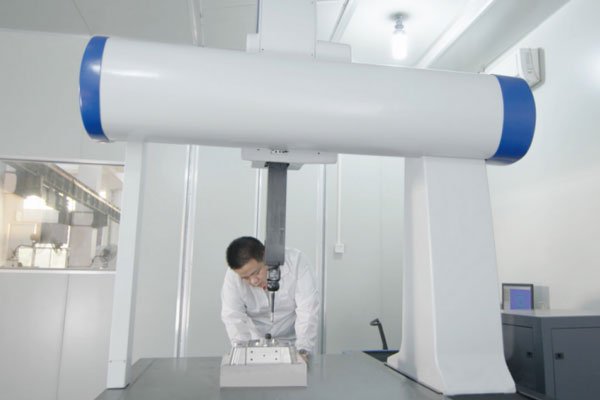
Build production tooling, controls, and measurement
Create the full process: production tools, fixtures, gauges, programs or recipes, work instructions, material controls, inspection plan, maintenance, operator training, traceability, nonconformance route, and reaction plan. Link critical product characteristics to the inputs that create them and to the controls that detect loss.
Calibration alone does not make a gauge suitable. The method needs enough resolution, access, repeatability, reproducibility, stability, and correct datum simulation for the decision. NIST’s gauge R&R guidance distinguishes several error sources. ISO 10012:2026 now provides current measurement-management-system requirements; it is not the same as a calibration certificate or a gauge R&R study.

Step 8 · Fit the approval
Choose FAI, PPAP, or another agreed method
These methods are not interchangeable. A customer first-article report often checks specified characteristics and supporting certificates. Aerospace contracts may flow down SAE AS9102C, which establishes requirements for performing and documenting FAI and complements customer and regulatory requirements.
Automotive customers commonly use PPAP to review evidence from the actual production process. AIAG currently lists PPAP Fourth Edition, while APQP Third Edition addresses program planning and gated management.
A general industrial buyer can define a proportionate submission. State the governing method, revision, submission level, sample conditions, records, deviations, approval authority, and timing in the contract. FAI is mainly product-conformity evidence; PPAP is broader product-and-process approval evidence. Neither guarantees all future output.
Do not merge the gates
Prototype, first article, and pilot mean different things
A prototype can pass while the production tool fails. A first article can conform while the line misses rate. A pilot can meet output while one critical measurement method remains unreliable. Each gate closes a different risk.
Step 9 · Integrate the line
Run a production-representative pilot
Use released material, intended tools and equipment, planned settings, trained operators, production inspection, handling, rework rules, traceability, and packaging. Agree the size and duration from risk, process behavior, contract, and data needs.
Look beyond attractive samples. Capture warm-up, start-up loss, cavity or station differences, material-lot behavior, tool wear, downtime, changeover, inspection delay, hidden sorting, scrap, rework, bottlenecks, and reaction-plan effectiveness.
Pilot exit evidence: correct revision and route, accepted characteristics, suitable measurement, released instructions, controlled open issues, representative packaging, traceability, and demonstrated good output against demand.

Read the data correctly
Stability, capability, and capacity answer different questions
NIST’s process capability guidance says the process should be stable and addresses sampling and distribution assumptions. There is no universal Cpk target for every product. Use the customer or industry rule and report the characteristic, data period, subgrouping, measurement method, sample basis, and analytical assumptions with the number.
AQL is different again. ISO 2859-1:2026 covers AQL-indexed attribute sampling for lot acceptance. AQL is not a promised defect percentage, and acceptance sampling does not make a process stable, capable, or defect-free.

Step 10 · Controlled launch
Release and ramp production under controlled conditions
Defined authorities should sign the release after open issues are classified. A closed issue has verified correction. An approved deviation has a reason, traceable scope, quantity or time limit, and owner. A launch-containment item has extra inspection, a reaction rule, and an exit plan. A critical unresolved safety, regulatory, or functional risk is not made acceptable by the shipping date.
Use temporary heightened controls where risk justifies them: first-off and last-off checks, cavity or station separation, tighter material tracking, short feedback loops, increased inspection, and daily defect review. Reduce those controls only through the approved plan after exit evidence is met.
The steady-state process begins with the approved baseline. It does not freeze learning, but every later change must follow the agreed notification and validation route.
After approval
What changes require notification or reapproval?
Define the triggers before launch. The correct response can range from simple notification to a focused test, partial requalification, new first article, PPAP resubmission, capability evidence, or temporary containment.
Record the reason, affected lots, risk assessment, required evidence, approving authority, effective date, and configuration status. Change control protects the approved product and the learning already invested in the process.
Failure patterns
Common ways drawing-to-production programs fail
Buyer handoff
A final production-readiness checklist
- One released definition, precedence rule, and closed clarification log.
- Approved DFM changes linked to function, risk, cost, and verification.
- Production route, supplier, sub-tiers, demand, and capacity basis confirmed.
- Quote includes tooling, samples, evidence, ownership, schedule, and exclusions.
- Prototype purpose, deviations, tests, and conclusions documented.
- Tools, fixtures, gauges, instructions, maintenance, traceability, and reactions released.
- Required FAI, PPAP, or customer approval accepted with deviations dispositioned.
- Pilot shows stability, measurement fitness, yield, good output, packaging, and capacity.
- Launch controls, issue owners, exit criteria, and change-notification rules approved.

Injection-molded packaging application
How can Honokage support a custom container project?
For IML and injection-molded container projects, Honokage’s current website says its team supports product design, 3D-printed prototypes after drawing confirmation, mold drawings and DFM, mold manufacturing and maintenance, injection molding, first-sample checking, and automated packing. These are supplier-published capabilities; the scope, evidence, timing, material, tooling, tests, and acceptance plan still need agreement for the actual project.
Review the company’s IML container development overview, equipment page, y testing and quality flow. Then send a controlled request instead of only an image or target unit price.
Quick answers
Frequently asked questions
What is the first step after a product drawing is complete?
Create and review one controlled product-definition package. Confirm part number, revision, governing model or drawing, units, material, tolerances, datums, finishes, tests, standards, and quality deliverables before final tooling or volume release.
Is a 3D CAD model enough for mass production?
Not usually by itself. The supplier also needs tolerances, material and finish requirements, non-geometric specifications, acceptance criteria, and revision control. A model-based definition can govern when the contract clearly defines its content and authority.
DFM identifies manufacturing, inspection, cost, or rate concerns and proposes options. It does not change the released design. The design authority evaluates the proposal, approves or rejects it, and updates the controlled definition when needed.
What is the difference between a prototype and a first article?
A prototype mainly answers design or feasibility questions and may use temporary methods. A first article checks specified requirements under the governing customer or industry method. For production release, require representative conditions unless that method defines otherwise.
Is PPAP required for every custom manufactured part?
No. PPAP is an automotive-origin production-part approval method and may be adopted elsewhere by contract. Check the customer-specific requirements, drawing, purchase order, and quality agreement, then state the submission level and timing.
Not automatically. A passing FAI can support product-conformity approval within its scope. Release may also require measurement validation, process evidence, pilot results, capability, capacity, packaging, traceability, issue disposition, and customer authorization.
How do pilot production, capability, and capacity differ?
A pilot exercises the integrated production system. Capability compares a defined characteristic’s output with its specification under valid analytical conditions. Capacity measures sustainable conforming output after losses and bottlenecks. One does not replace the others.
What changes can trigger FAI, PPAP, or other reapproval after launch?
Common triggers include a design revision, new material source, tool repair or cavity, machine or plant transfer, software or process change, alternate special process, inspection-method change, packaging change, or restart after long inactivity. The contract should define the response by risk.
Prepare a production-ready request
Move your container drawing into a controlled development plan
Share the current revision, intended product and use conditions, volumes, target market, label or decoration concept, tests, and launch window. Ask for a written DFM path, sample stages, tooling scope, approval evidence, pilot plan, and change-control rules.
Primary references
Technical sources and version note
Standards and manuals are not automatically applicable to every project. Confirm the governing edition, customer-specific requirements, jurisdiction, and contract before using any source as an acceptance criterion.
- ASME Y14.5-2018 (R2024) — current dimensioning and tolerancing product page.
- ASME Y14.41-2026 — current digital product-definition data practices; it supersedes the 2019 edition.
- ISO 10007:2017 — configuration-management guidance, current at review date.
- ISO 9001:2015 plus its 2024 amendment remains the current published ISO 9001 basis on August 12, 2026; the replacement edition is still under publication.
- ISO 10012:2026 — measurement management systems.
- SAE AS9102C — aerospace first article inspection requirements.
- AIAG APQP Third Edition y PPAP Fourth Edition — automotive planning and production-part approval resources.
- NIST/SEMATECH gauge R&R y process capability guidance.
- ISO 2859-1:2026 — current AQL-indexed attribute acceptance-sampling schemes.