


Specify the Torque Tool Around the Joint
Discuss torque screwdriver projects for assembly, maintenance and repair with Honokage. Define the joint requirement, drive type and bit interface before selecting a configuration.
A torque setting is only useful when the tool’s range, control method and verification are appropriate to the assembly. Request the current model specification and agree the acceptance checks before ordering.
- Torque Control Requirements
Provide the required torque and tolerance from the assembly specification. Confirm the available adjustment and control method for the proposed model. - Drive and Power Options
Confirm whether the proposed tool is manual, powered or cordless. For a powered configuration, review the power supply, operating controls and supplied accessories. - Access and Handling
Review tool size, grip and bit reach against the actual work area. Evaluate a representative configuration with the intended assembly task.
Review the Complete Screwdriver Configuration
Compare torque range, setting increments, control method, drive interface and available verification evidence. Include the required bits and any power or charging components in the specification.
Do not infer torque accuracy from a clutch setting or from the tool being electric. Agree how the chosen configuration will be checked at relevant settings and use conditions.
What to Review for Your Project
-
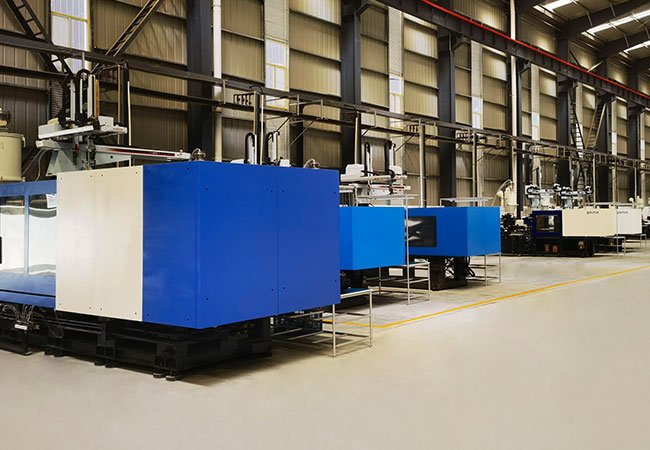 Define the Tool Specification
Start with the fastening requirement, duty and access constraints. Confirm the tool configuration, component specification and inspection scope for the selected order.
-
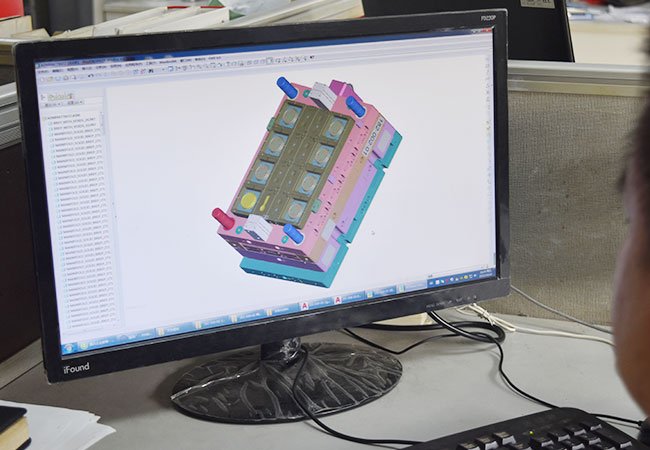 OEM Options for the Selected Model
Discuss housing color, logo, packaging, bit set and model-specific features. Confirm which changes use an existing design and which need development or validation.
-
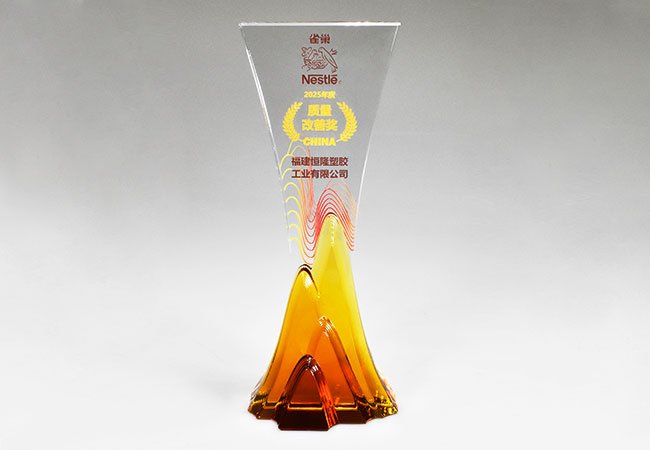 Plan Repeat Orders Around an Approved Version
Record the approved model, accessory set, markings and packing. Agree how future component or design changes will be communicated before repeat supply.
Torque Screwdriver Configurations
Use the images to shortlist a configuration, then request its current torque, drive and accessory specification. Compare the complete supplied set rather than appearance alone.


Torque Screwdriver Applications
-
 Maintenance and Repair
Match the tool to documented fastener requirements and access conditions. Include the needed drive interface and the way torque verification will be maintained.
-
 Assembly Workstations
Define the joint requirement, production duty and operator access. Review the tool and bit configuration with the assembly process before approving supply.
-
 Assembly Quality Programs
Agree the inspection and verification method for the selected tool. A controlled assembly program also needs defined joint requirements and records; the screwdriver alone does not establish compliance.
Opciones de personalización




Coordinate Supply and Inspection for Your Order
Ask Honokage to confirm the production source, model configuration and supply scope for the proposed order. Review the sample, inspection plan and accessory list together.
For repeat supply, identify the approved version and packing so quotations and deliveries can be compared on the same basis.


Branding That Matches the Supplied Tool
Housing and markings: agree the logo position, artwork and model identification.
Accessory set: define bits, holders and any power components included in the order.
Retail packing: review the artwork, instructions, labels and language requirements for the intended market.
Torque Control and General Screwdriving

Choose a torque-controlled tool when the assembly requires a defined tightening result. Review range, control behavior and verification evidence. Both manual and powered tools can have torque control; evaluate the actual model.

A general-purpose screwdriver can suit tasks where a separate torque requirement is not specified. Manual feel or a powered driver setting should not be treated as a verified torque result. Follow the assembly specification when torque is required.
Customize the Tool and Supplied Set

List the required bit profiles, sizes and tool interface. Confirm compatibility, retention and supplied quantities using the proposed set.

Provide the color reference, logo and identification requirements. Review the sample and markings without implying that a color change alters the tool’s performance.

Send the required range, tolerance and verification method. Confirm which requirements the selected design can support; do not treat a custom scale as proof of accuracy.

Review a representative tool and accessory set before bulk supply. Agree inspection, documentation and any validation required for the proposed changes.
Productos relacionados


Torque Screwdriver Purchasing FAQs
Provide the assembly torque requirement and tolerance, fastener interface, access, duty and preferred drive type. Request the current model specification before selecting the tool.
No. Power type does not establish torque control or accuracy. Check the model’s control method, stated performance and verification evidence for the relevant settings.
Use the joint or equipment manufacturer’s approved assembly requirement. The correct setting depends on that specification and the selected tool; do not estimate it from fastener size alone.
Ask for evidence identifying the exact tool or model, relevant range, method and conditions. Agree ongoing verification requirements within your assembly quality program.
Discuss the required interface, bit list, quantities, branding and packing for the chosen model. Confirm compatibility and any development costs before approval.
Submit the required range, tolerance and control method for review. Availability depends on the selected design and validation; custom markings alone do not change performance.
Review the supplied configuration, controls, access, bit fit, documentation and agreed torque verification. Approve the complete set and acceptance criteria before a bulk order.