


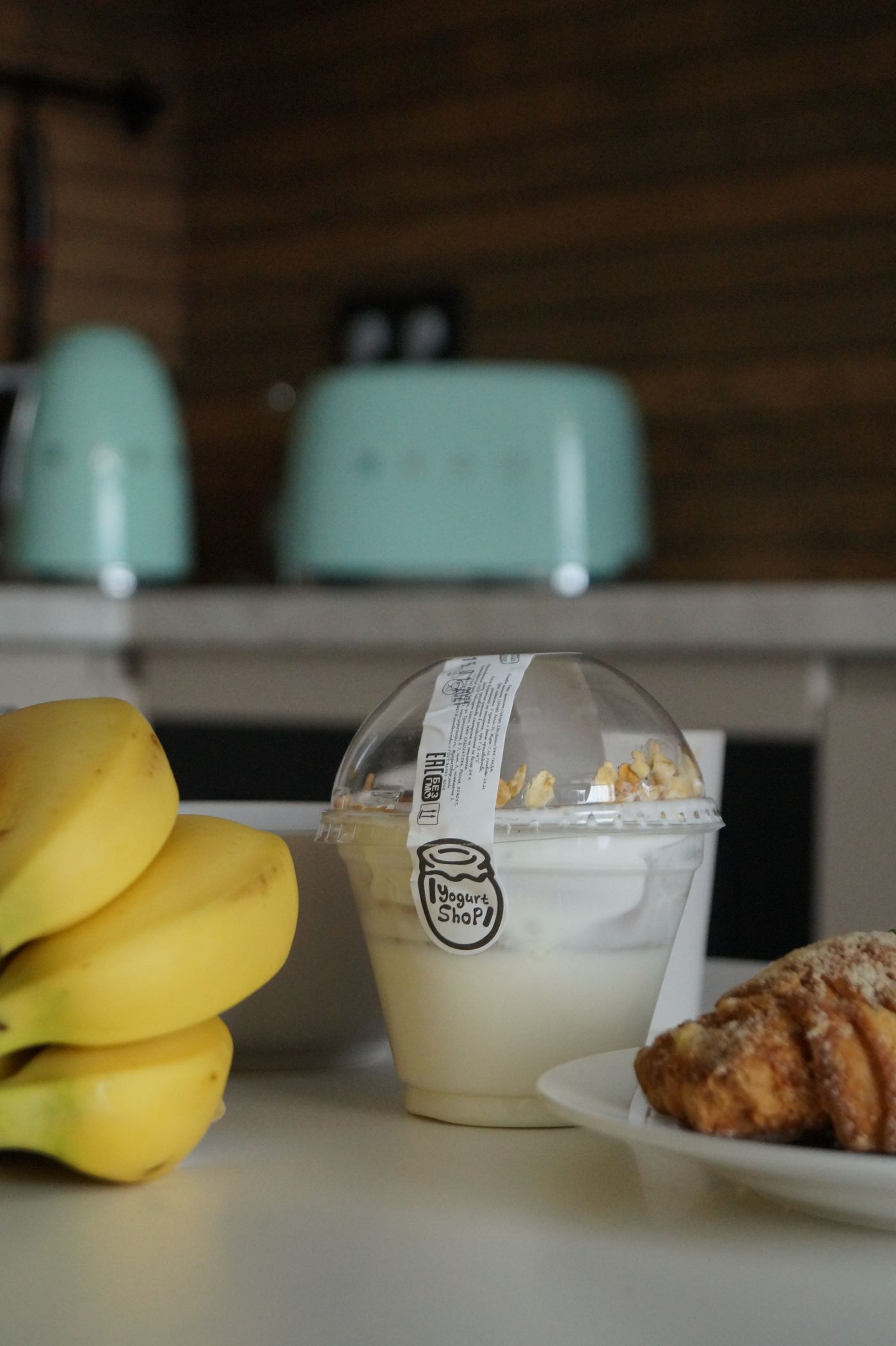
Clean serving, prompt reclosure and reliable refrigeration matter more than an “airtight” label alone. Image: Наталья Маркина / Pexels.
Quick answer
Keep unopened yogurt in its original sealed package. After opening, keep it cold, covered and clean.
Store refrigerated yogurt at 40°F (4°C) or below. Use a clean utensil, portion only what you need and reclose the container promptly with a clean, well-fitting cover.
A container can reduce spills, odor pickup and post-opening exposure. It cannot make yogurt safe after temperature abuse, visible mold, a broken seal or an exact recall match, and it cannot create a new validated shelf life by itself.
Start with the real control
What can a yogurt container actually do?
Before opening, the package protects yogurt from ordinary handling and the surrounding environment. It also carries the date, lot code, product identity and instructions that help with complaints or recalls. After opening, a clean reclose lid can reduce contact with refrigerator spills, hands, utensils and strong odors.
Those benefits are useful, but limited. A lid cannot reverse a warm car ride, an overnight stay on the counter or a failed refrigerator. A new storage tub cannot remove contamination that may already be present. An attractive cup cannot prove that the formula, filling process or cold chain was controlled.
The best mental model: the container helps maintain safe conditions. It does not manufacture food safety. Temperature control, hygienic filling, clean handling, package integrity and product-specific validation still do the main work.

Single-serve cups, family tubs and portion packs need different closure and use-stage decisions. Image: Honokage.
Which container choice fits each situation?
Six habits that make a difference
How should you handle yogurt after purchase and opening?
1
2
3
4
5
6
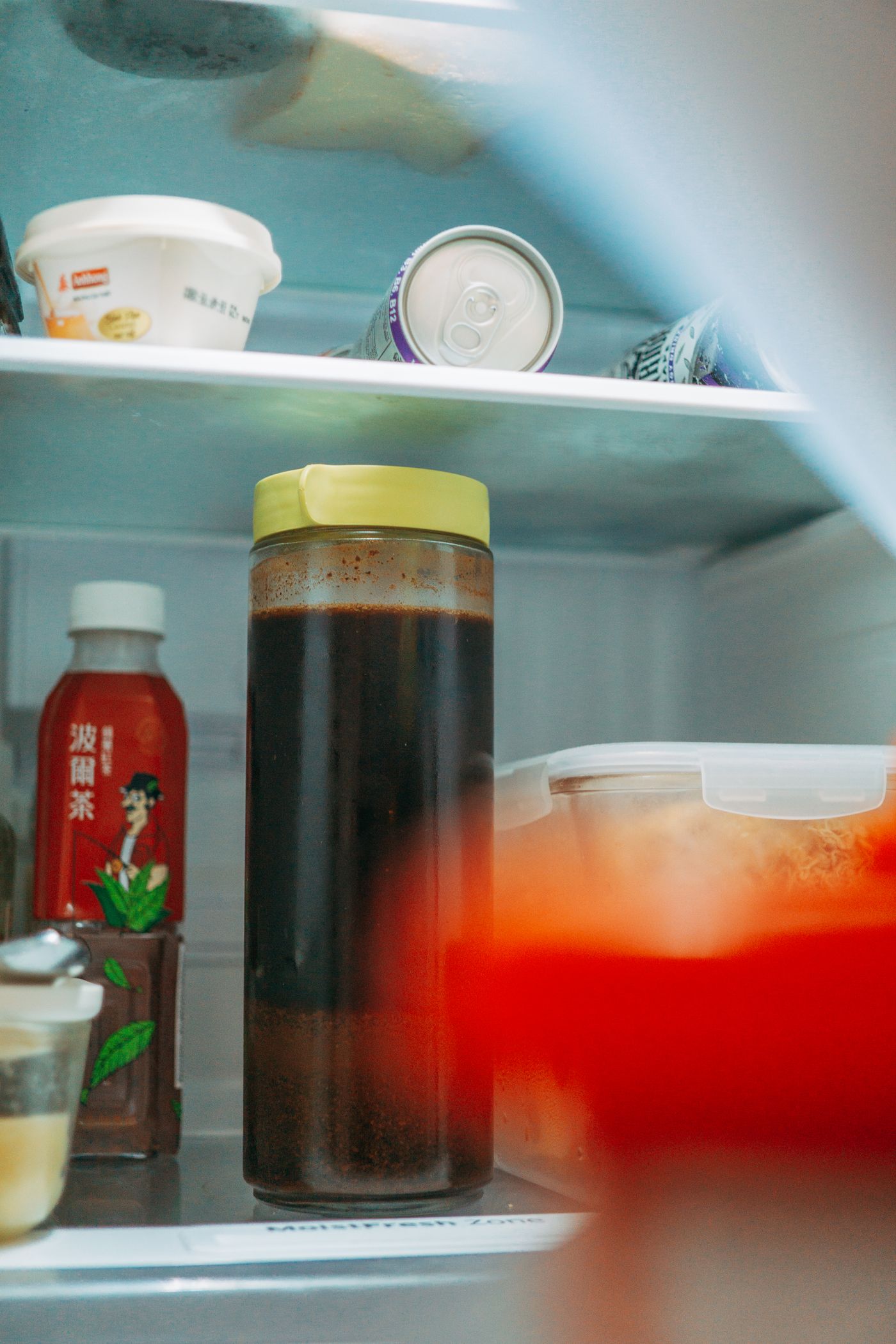
Covered storage works best when the refrigerator is actually cold and air can circulate. Image: FOX / Pexels.
Why does refrigeration matter more than the lid?
FDA advises keeping the refrigerator at 40°F (4°C) or below and using an appliance thermometer because a control dial may not show the real temperature. Avoid overpacking; cold air needs space to move around food. Keep yogurt away from refrigerator areas that repeatedly warm during door opening when a colder, stable shelf is available.
Perishable food should not remain at room temperature for more than two hours, or more than one hour when the air temperature is above 90°F (32°C). That time includes shopping, delivery, a lunch bag, a buffet, a picnic and time on the breakfast table. A lid can prevent a spill during that period, but it cannot cancel the temperature exposure.
Do not use the container as a rescue method. Moving warm yogurt into a clean tub, returning it to the refrigerator or freezing it does not restore its previous safety history.
Should you transfer opened yogurt to another container?
Usually, no. The original cup with a clean reclose lid is often the lowest-handling option. It keeps the original date, lot code, product name and recall details with the food. Every transfer adds contact with another container, lid, utensil and work surface.
Transfer can make sense when the original package has no practical cover after opening or when a foodservice workflow needs controlled portions. Use a clean, undamaged container intended for refrigerated food contact, add the product identity and opening information needed by your household or operation, and retain the original label.
Do not reuse a thin yogurt cup for hot filling, microwaving or long storage just because it originally held food. The original intended use was a specific product, process and temperature range. Cracks, scratches, distortion, odor retention or a poorly fitting lid are reasons to retire it.
Transfer changes the vessel, not the clock. It does not restart a best-by date, remove contamination or create extra safe days after opening.
Large packs need a serving plan
How should family-size and foodservice yogurt tubs be handled?
A large tub can be opened many times and touched by several people. The package may remain sound while the handling becomes harder to control. Build a simple serving routine so the main container spends less time open and outside refrigeration.
A clean reclose lid is helpful between service periods, but it does not correct cross-contact, a dirty scoop or an unknown display temperature. If the main tub was mishandled, moving the remaining yogurt into smaller clean cups does not remove the problem.

Cup, primary seal, reclose lid and utensil can each have a different job in the finished package. Image: Honokage.
Do not mix up closure claims
Factory seal, tamper evidence and reclosure are different
A package may use all three features, but buyers should specify each job separately. Avoid calling an ordinary snap lid “hermetic” or assuming that a tear band replaces filled-pack seal validation. Clear terminology prevents a convenience feature from becoming an unsupported food-safety claim.
For yogurt brands and co-packers
Why is food-contact compliance a finished-system question?
A yogurt package can include a rigid cup, lidding film, heat-seal layer, colorant, ink, label, adhesive, overcap and tamper feature. FDA’s food-contact framework covers packaging components and substances applied to packaging, not only the base resin. The intended use matters: the food type, contact time, storage temperature and any filling or reheating condition.
That is why “food grade PP” or “FDA approved” is not a complete procurement file. Ask what finished article the evidence covers, which components may contact food, which yogurt formula and fat level were considered, and which destination market and time-temperature conditions apply.
Plant-based yogurt, high-fat Greek-style yogurt, fruit-on-the-bottom products and drinkable yogurt may not present identical contact or line conditions. A new masterbatch, label structure, recycled-content source, sealant or lidding film should pass change control rather than being treated as a harmless substitution.
Buyer boundary: request intended-use evidence for the actual finished package. Do not infer compliance, microwave suitability or shelf life from a resin acronym or a marketing statement.
Packaging RFQ checklist
What should a yogurt container brief include?

Dimensional and appearance checks are useful supplier controls, but approval should also include filled-pack and distribution evidence. Image: Honokage.
What should be tested before approving a new cup or lid?
Test the claim and the likely failure mode. A water-filled sample or an empty cup can screen geometry, but it cannot represent yogurt viscosity, fat contact, fruit pieces, rim contamination, cooling behavior or sensory life.
Honokage yogurt container range can help buyers identify format and capacity options, while its testing overview shows supplier-side quality activities. Treat website statements as starting points for a project specification; confirm the final materials, closure system, test methods and acceptance criteria for the chosen product.
Which container problems mean “do not eat”?
Clear whey separation by itself can be normal and is not a food-safety test. Check the complete evidence: storage, seal, mold, odor, color, date and recall status.
Apply the rules in context
How do these tips change real decisions?
Frequently asked questions
Yogurt container safety FAQ
What is the best container for opened yogurt?
Usually the original cup or tub with its clean, intact reclose lid. If it cannot be covered, use a clean food-contact container with a well-fitting lid and retain the original product details.
Does an airtight container keep yogurt safe longer?
A well-fitting cover can reduce outside exposure, spills and odor pickup. It cannot reverse warm storage or independently establish extra safe days.
Can I reuse an empty yogurt cup?
Only for a compatible use when the cup is clean and undamaged. Do not assume a single-use cup is suitable for hot food, microwaving or long-term reuse.
How cold should yogurt be stored?
Keep refrigerated yogurt at 40°F (4°C) or below, measured with an appliance thermometer. Leave room for cold air to circulate.
Can I scrape mold off yogurt?
No. Discard the whole container because contamination in a high-moisture food can extend below the visible mold.
Is a snap lid the same as a factory seal?
No. A snap lid may provide reclose convenience. The primary lidding film or validated closure protects the product before first opening.
What documents should a yogurt-cup buyer request?
Request the finished-article description, relevant components, intended food and time-temperature conditions, market-specific compliance support, limitations and change control.
Does a new cup automatically extend shelf life?
No. The brand must validate the actual yogurt, process, closure, package, cold chain and distribution route together.
For yogurt packaging projects
Define the food, closure and cold chain before approving a cup
Share the formula, fill process, capacity, lidding system, reclose need, storage range, distribution route, destination market and validation plan. Honokage can discuss existing yogurt cup formats or a custom packaging project; finished-system claims should be confirmed for the selected product and use.
Final recommendation
Use the container to support good handling, not to replace it
For home storage, preserve the original sealed pack, keep yogurt at 40°F or below, use clean utensils, reclose promptly and discard products with failed temperature, mold, package or recall evidence.
When the handling history is unknown, choose the safer action instead of relying on a tight lid, a normal smell or a clean-looking cup.
For a commercial project, specify and validate the complete cup-and-closure system under the real yogurt, filling, storage and distribution conditions. That is more useful than choosing a resin name, an “airtight” claim or a visually attractive sample alone.
Sources and further reading
- FDA: Refrigerator Thermometers—Cold Facts about Food Safety — 40°F storage, appliance thermometers, covered food, spill control and air circulation.
- FDA: Are You Storing Food Safely? — refrigeration and time limits for perishable foods.
- USDA FSIS: Molds on Food — why moldy yogurt should be discarded.
- FDA: Food Packaging and Other Substances that Come in Contact with Food — food-contact substances and packaging components.
- FDA: Food Types and Conditions of Use — dairy food types and refrigerated-use categories.
- FDA: Food Ingredient and Packaging Terms — substance, material and finished-article distinctions.
- European Commission: Food-Contact-Material Legislation — EU plastics and compliance framework.
Scope: this page covers ordinary refrigerated yogurt and general food-contact packaging principles. Shelf-stable, aseptic, retorted, frozen or reheated products require their own validated process and package specifications.