


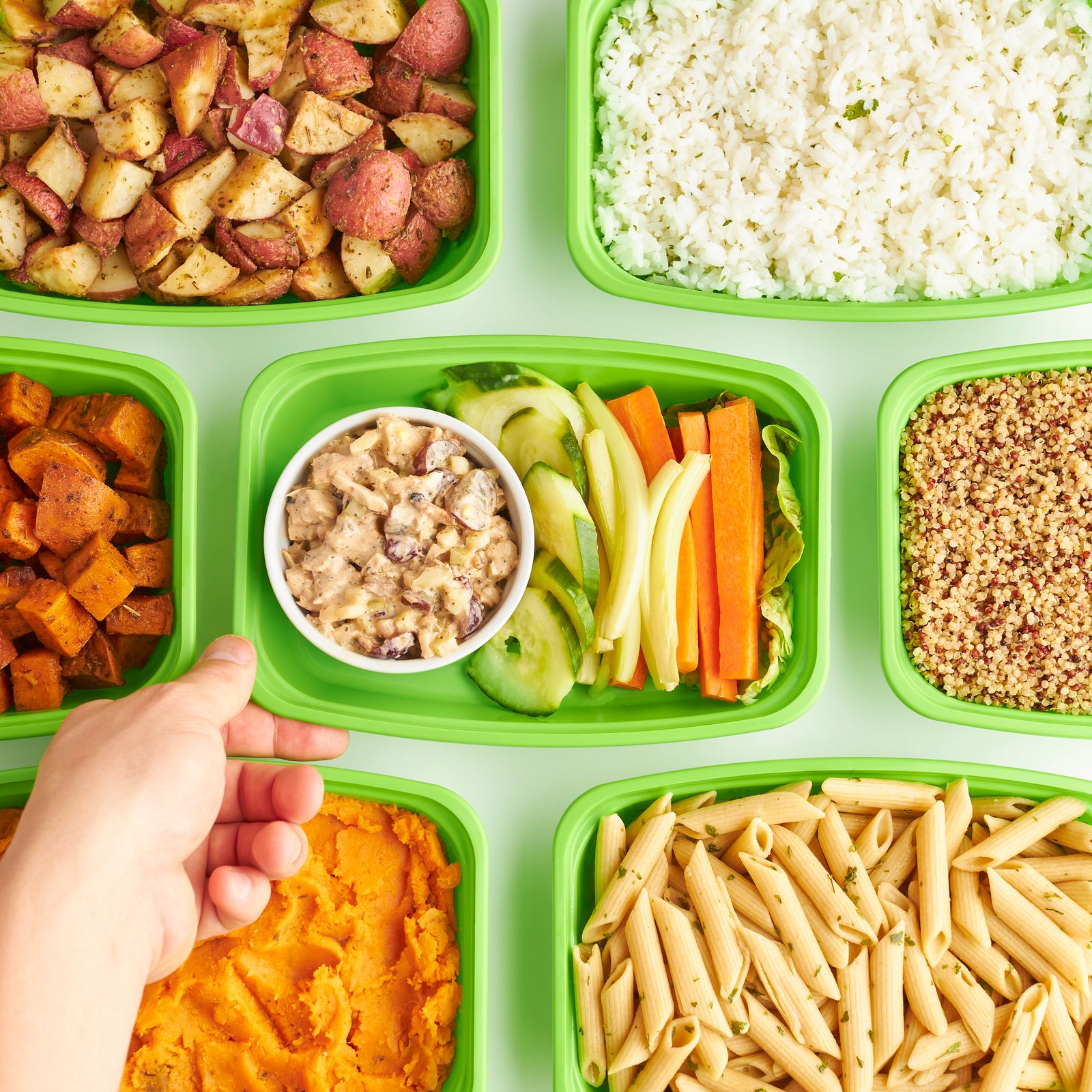
Cup label · lid · food · time · finished-pack validation
Some plastic cups can go in the microwave—but only when the exact cup is labeled for it.
Do not rely on a number 5 resin code, a BPA-free claim, thickness, or one successful reheating cycle. If the directions are missing, the cup was made for cold service, or any part is damaged, move the contents to intact glass, ceramic, or another vessel clearly labeled for microwave use.
Consumer and packaging-buyer guide · Evidence checked August 12, 2026
I bicchieri di plastica possono essere messi nel microonde?
Yes, but only when the manufacturer says that exact cup can be microwaved and the current use matches the directions. Check the cup body, lid or sealing film, heating time, power, fill amount, venting step, and whether the item is single-use or reusable.
No label means no reliable permission. A clear party cup, cold-drink cup, yogurt tub, takeout cup, or foam cup should not be heated just because it held food. USDA guidance says to use cookware made for microwave use and identifies cold-storage tubs and foam-insulated cups as unsuitable by default.
Labeled and intact
Use exactly as directed
Unlabeled or unknown
Transfer the contents
Warped or damaged
Stop using the cup
Quick decision table for plastic cups
Use this as a first screen, then read the exact package. A microwave symbol without clear wording may not cover the lid, maximum time, or repeat use.
| Cup or mark | Microwave decision | What to do |
|---|---|---|
| Exact microwave label | Possibile | Match the cup, lid, food amount, time, power, and venting directions. |
| Number 5 or PP only | Not enough evidence | Find item-specific instructions or transfer the contents. |
| Cold-use, takeout, or party cup | Do not assume | Use only if the original product gives microwave directions. |
| Foam or metal trim | Evitare | Transfer unless specific package and oven instructions say otherwise. |
| Cracked, warped, sticky, or smelly | Non usare | Retire the cup. Do not use another heating cycle as a test. |
What does a microwave-safe label really mean?
For a household decision, the label means the identified item is intended for specified microwave conditions when it is intact and used as directed. It does not mean every similar cup is suitable. It also does not promise unlimited heating, even food temperature, or indefinite reuse.
A useful instruction identifies the product and tells the user what to do: remove or vent the lid, keep a minimum fill, use a time or power range, stir or stand, and discard after one use when required. The strongest evidence is wording tied to the exact item number or original food package.
Do not treat a hot-drink, hot-fill, compostable, or biobased claim as a microwave instruction. A cup can be suitable for receiving a drink at a stated temperature yet lack support for minutes of in-cup heating. Plant-based plastics and paper-plastic constructions also vary, so the same label-first rule applies.
Different claims answer different questions: food-contact, BPA-free, freezer-safe, dishwasher-safe, oven-safe, and microwave-safe are not interchangeable.
Does number 5 PP mean a cup is microwave-safe?
No. The resin identification code shows a broad predominant plastic family. Number 5 identifies polypropylene, a material often considered for heat-tolerant packaging, but it does not reveal the exact grade, additives, colorant, wall thickness, manufacturing stress, recycled content, decoration, lid, or supported heating profile.
Material identity
Useful for sorting and engineering discussions. It is not a finished-product microwave approval.
Product construction
A thin tasting cup, reusable drinking cup, and sealed soup cup can all perform differently.
Use instructions
The label must still match the food, fill, lid, time, power, and number of uses.

Start with the material, finish with the use case
Quello di Honokage material overview gives buyers context on packaging material families. A microwave-ready project still needs grade- and article-specific evidence tied to the food, heat profile, closure, decoration, and destination market.
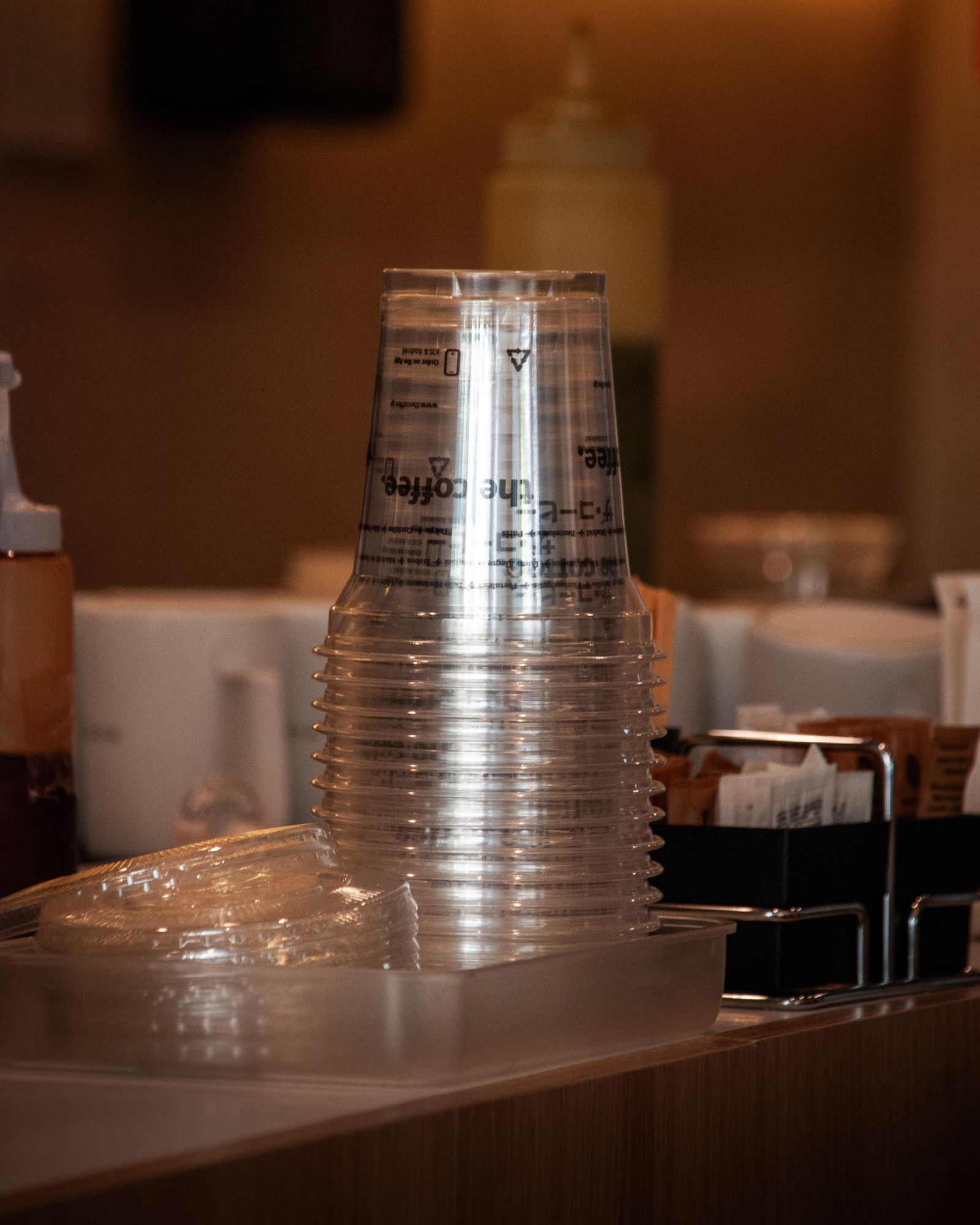
The image provides material context. It is not a microwave claim for every PP cup.
Cold-drink, takeout, yogurt, and reusable cups are not equal
The word cup covers many products. A clear cup designed for iced tea may soften when filled with hot liquid. A yogurt or margarine tub may be intended for refrigerated storage and one use. A reusable mug may allow reheating but require the lid to be removed. A ready-meal cup may have a controlled vent and exact cooking directions.
- Disposable beverage cup: treat as cold-service unless the exact item says otherwise.
- Takeout or deli cup: use only with original microwave directions; appearance is not evidence.
- Yogurt or margarine tub: transfer food before heating unless specifically labeled.
- Reusable cup: follow time, lid, fill, and retirement instructions.
- Ready-meal or soup cup: follow the complete food-package directions once.

Honokage cup image. Browse plastic coffee and drinking cup formats; confirm hot-fill and microwave requirements separately for the selected item.
Why can food make a plastic cup soften?
Microwave energy is absorbed mainly by food. FDA explains that microwaves pass through materials such as glass, paper, ceramic, and many plastics, while the food becomes hot. The hot food, oil, syrup, and steam then transfer heat into the cup. This is why some plastic containers can melt even though the microwave energy is not heating the plastic in the same way it heats the food.
Liquids can also heat unevenly or become hotter than expected. Leave headspace, avoid excessive heating, use the vessel shape recommended by the microwave maker, and wait before moving the cup. The package may remain upright while the drink or steam is hot enough to burn, so appearance alone is not a handling check.
Food composition
Fatty, sugary, thick, or low-moisture areas can create demanding local hot spots.
Fill and geometry
Low fills, corners, thin walls, rims, and handles may experience different temperatures.
Time and wattage
A long full-power cycle can be more severe than the labeled staged program.
Steam and closure
A sealed lid can trap pressure, deform the rim, or release hot steam suddenly.
For commercial food-contact assessment, FDA notes that microwave temperature depends on food composition, heating time, food mass and shape, and container shape. A household water test cannot reproduce every real food or prove migration compliance and reuse life.
The lid, film, and seal need a separate decision
The cup body and closure often use different materials. A rigid PP cup may have a polyethylene lid, multilayer peel film, foil membrane, printed sleeve, adhesive label, or overcap. A microwave mark on the body does not automatically qualify every accessory.
Follow the exact action word: remove, loosen, vent, pierce, peel back, or leave in place. Do not invent a venting method. A tightly sealed closure may build pressure, while fully removing a film that was designed to stay partly attached can change splatter and heating behavior.
After heating: let the cup stand as directed and open it away from the face and hands. Steam can burn even when the plastic looks unchanged.
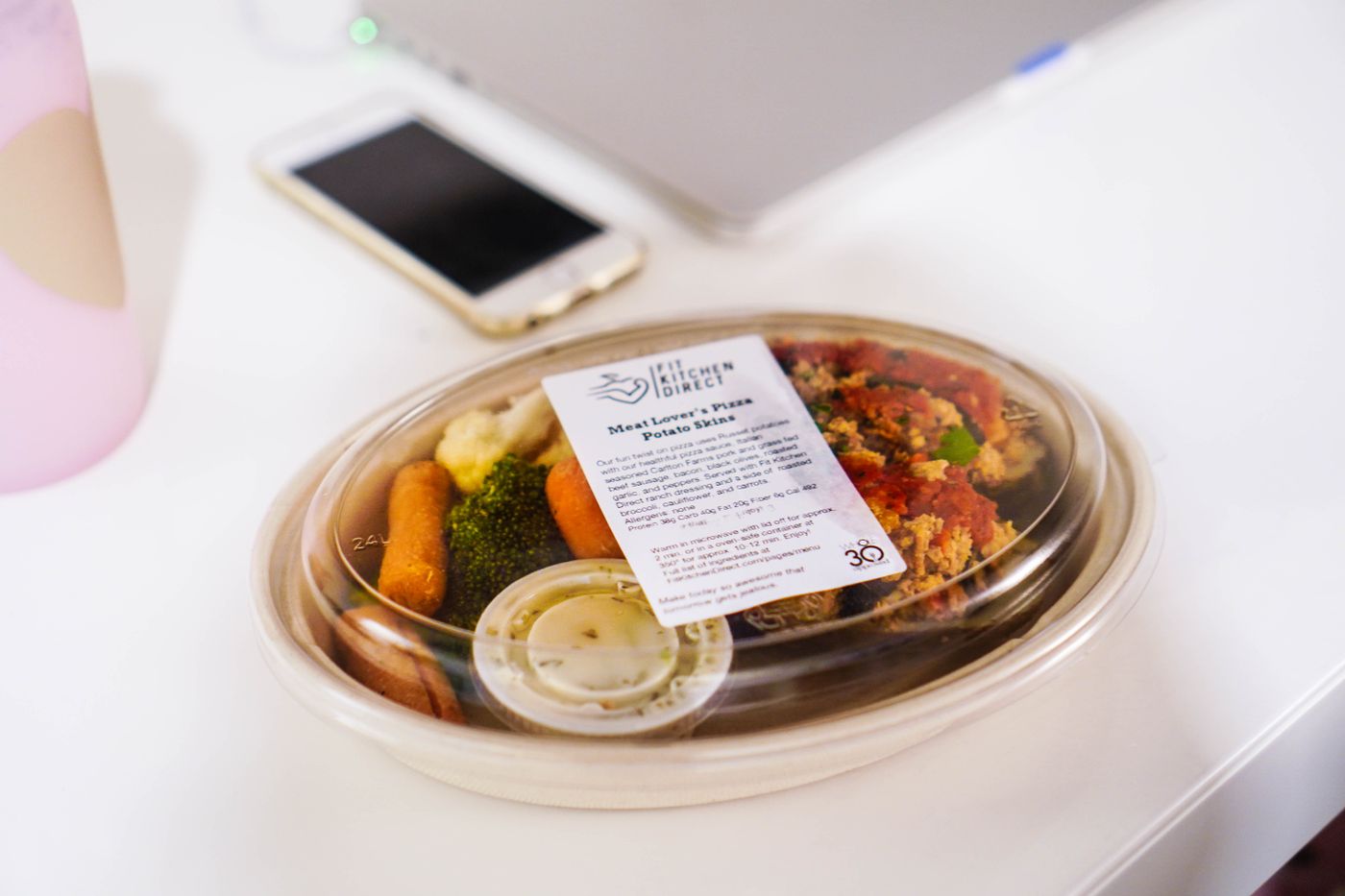
Photo by Loren Castillo via Pexels.
How to microwave a labeled plastic cup safely
1
2
3
4
5
6
USDA advises reheating leftovers to 165°F (74°C), followed by standing time and a clean food-thermometer check. This food endpoint does not replace the cup’s own use limits.
What if the cup warps, melts, leaks, or smells unusual?
Stop the microwave. Let the contents cool enough for safe handling, and do not touch softened plastic or open a pressurized lid with bare hands. If there is smoke or a strong odor, ventilate the area and follow the microwave manufacturer’s incident and cleaning guidance.
Do not reuse a cup that has warped, melted, cracked, become sticky, or developed a lasting unusual odor. When the package has burned, leaked, severely deformed, or visibly contacted the food in an unintended way, discard the food if safety is uncertain instead of tasting it to decide.
For a branded product or foodservice operation, record the cup or food SKU, lot, microwave wattage, time, fill amount, lid position, and photos. Quarantine similar inventory and compare the event with the printed instructions before more units are served or sold.
Common microwave myths that cause bad decisions
“Number 5 means microwave-safe”
It identifies a PP-family resin, not the finished cup, closure, food, time, or supported use.
“BPA-free means safe at any temperature”
That wording addresses one substance-related point, not full formulation or thermal performance.
“Food-grade means it can be heated”
Food-contact status is tied to conditions of use. Cold storage does not automatically include microwave reheating.
“A thick cup must be safer”
Thickness cannot reveal the resin grade, additives, manufacturing stress, lid behavior, or evidence.
“One water test proves the cup”
It does not reproduce fatty food, low fill, longer time, migration conditions, damage, or repeat use.
“Microwave-safe means oven-safe”
Conventional ovens use different heating conditions. Follow only the appliance claim printed for the item.
For brands: microwave-safe is a finished-system claim
A packaging buyer should not approve a cup from the words PP, food grade, or high heat resistance alone. The commercial system includes the resin grade, additives, color, cup weight and wall distribution, molding conditions, in-mold label or print, ink, adhesive, lid or film, sealant, food, filling process, distribution history, heating profile, and consumer instructions.
FDA’s food-contact framework separates storage without thermal treatment from ready-prepared food reheated in the container. The regulatory status of a finished material also depends on the relevant substances and limits for their intended use. Buyers need source-specific documentation, not the broad claim that a polymer is “FDA approved.”

Do not qualify the cup body alone
The base, decoration, rim, closure, vent, and food interact. Use Honokage’s printed plastic cup overview to discuss formats and customization, then state microwave requirements as a separate, evidence-backed use profile.
No pictured cup should be treated as microwave-ready without written, item-specific confirmation.
How should a microwave-ready cup be validated?
Qualified packaging, food-safety, and regulatory teams should reproduce the declared use and reasonably severe conditions. A screening trial can find obvious failures, but it cannot turn into a universal claim.
01 · USE ENVELOPEDefine the real heating job
Food composition, fill range, storage state, wattage, time, stirring, standing, venting, handling, and use count.
02 · COMMERCIAL BUILDLock every component
Resin and additive grades, cup dimensions, tool or cavity, label, ink, lid, film, sealant, factory, and revision.
03 · REGULATORY BASISMatch food, heat, and market
Confirm exact regulations, notifications, specifications, sources, and limits for every relevant component.
04 · FILLED-PACK TESTTest food and pack together
Measure food and package temperature, warpage, cracking, leaks, venting, hot handling, opening, odor, and sensory effects.
05 · INSTRUCTIONSWrite only what was supported
Convert the approved range into clear lid, vent, power, time, stirring, standing, handling, and disposal steps.
06 · CHANGE CONTROLDefine reapproval triggers
Reassess changes to source, formulation, color, tool, weight, closure, decoration, food, process, or printed directions.

Production-representative samples matter
Trials should use the commercial material, decoration, closure, process, and food. Record samples, methods, acceptance limits, oven output, and anomalies so results can be reviewed after a change or complaint.
Quello di Honokage testing overview can support an early supplier discussion. The buyer’s qualified team remains responsible for the final methods, regulatory path, and acceptance criteria.
What should a plastic cup RFQ include?
A useful request does more than ask for a “microwave-safe cup.” Give the supplier the conditions needed to propose, document, and test a defensible package.
Food and market
Food type, water/fat/sugar/acid profile, fill range, headspace, target countries, shelf life, and chilled, frozen, or ambient state.
Heating directions
Reheat or cook, wattage range, maximum time, staged power, stirring, standing, frozen-to-hot use, and consumer handling.
Cup and closure
Capacity, dimensions, resin grade, wall distribution, rim, lid or film, vent, sealant, print, label, ink, adhesive, and reuse target.
Evidence and acceptance
Destination-market food-contact basis, migration rationale, warpage, leakage, venting, hot handling, food temperature, odor, sensory checks, and change control.

Frequently asked questions
Can all plastic cups go in the microwave?
No. Only use the exact cup when the manufacturer provides microwave instructions. Unlabeled, cold-service, foam, damaged, or repurposed cups should be transferred.
Can a plastic takeout cup be microwaved?
Only when the original food package or cup documentation says so. Takeout cups vary in resin, print, wall thickness, closure, and intended temperature.
Can yogurt, deli, or margarine cups be heated?
Not unless that exact package explicitly permits microwave use. These tubs are commonly made for cold storage and one use.
Can I microwave a plastic cup of water?
Only if the cup is labeled for microwave use. Water does not validate an unknown cup, and overheated liquid can cause serious burns.
Can the plastic lid stay on?
Only as directed. The lid may need to be removed, loosened, pierced, or peeled back. Never keep an unknown closure tightly sealed.
Is BPA-free plastic automatically microwave-safe?
No. BPA-free does not establish the full formulation, heating limit, deformation resistance, lid performance, or repeat-use life.
Can I test an unknown plastic cup at home?
A home trial cannot prove food-contact compliance or repeated-use safety. Surviving one minute beside water does not qualify the cup for actual food.
What is the safest alternative when I am unsure?
Transfer the contents to intact heatproof glass, glass-ceramic, ceramic, or another vessel clearly labeled for microwave use, then follow that vessel’s instructions.
Need to develop a microwave-ready plastic cup?
Share the food composition, fill range, storage state, microwave program, cup and lid construction, decoration, destination market, reuse target, annual volume, and success criteria. Honokage can review available formats and customization inputs; final claims still require product-specific regulatory and finished-pack validation.
Technical sources
- USDA FSIS: Cooking with Microwave Ovens — label-first container guidance, venting, uneven heating, and leftovers.
- USDA FSIS: Meat and Poultry Packaging Materials — intended use, cold-storage packages, and package-directed microwave heating.
- FDA: Microwave Ovens — how food heats and why some plastic containers can melt from food heat.
- Health Canada: Food Safety Tips for Microwaves — microwave-safe containers, covers, stirring, standing, and handling.
- Health Canada: The Safe Use of Cookware and Bakeware — use plastic only for its intended heating or storage purpose.
- ASTM International: Modernizing the Resin Identification Code — resin identification purpose and number 5 PP designation.
- FDA: Food Types and Conditions of Use — separate conditions for storage and in-container reheating.
- FDA: Determining the Regulatory Status of Components — component identity, authorization, specifications, and limitations.
- FDA: Food Contact Substance Chemistry Recommendations — food, time, mass, shape, container geometry, and migration testing considerations.
Scope: This guide is educational, not medical or legal advice. Always follow the exact cup, food-package, and microwave instructions. Commercial claims require qualified regulatory, packaging, and food-safety review for the destination market and intended use.