


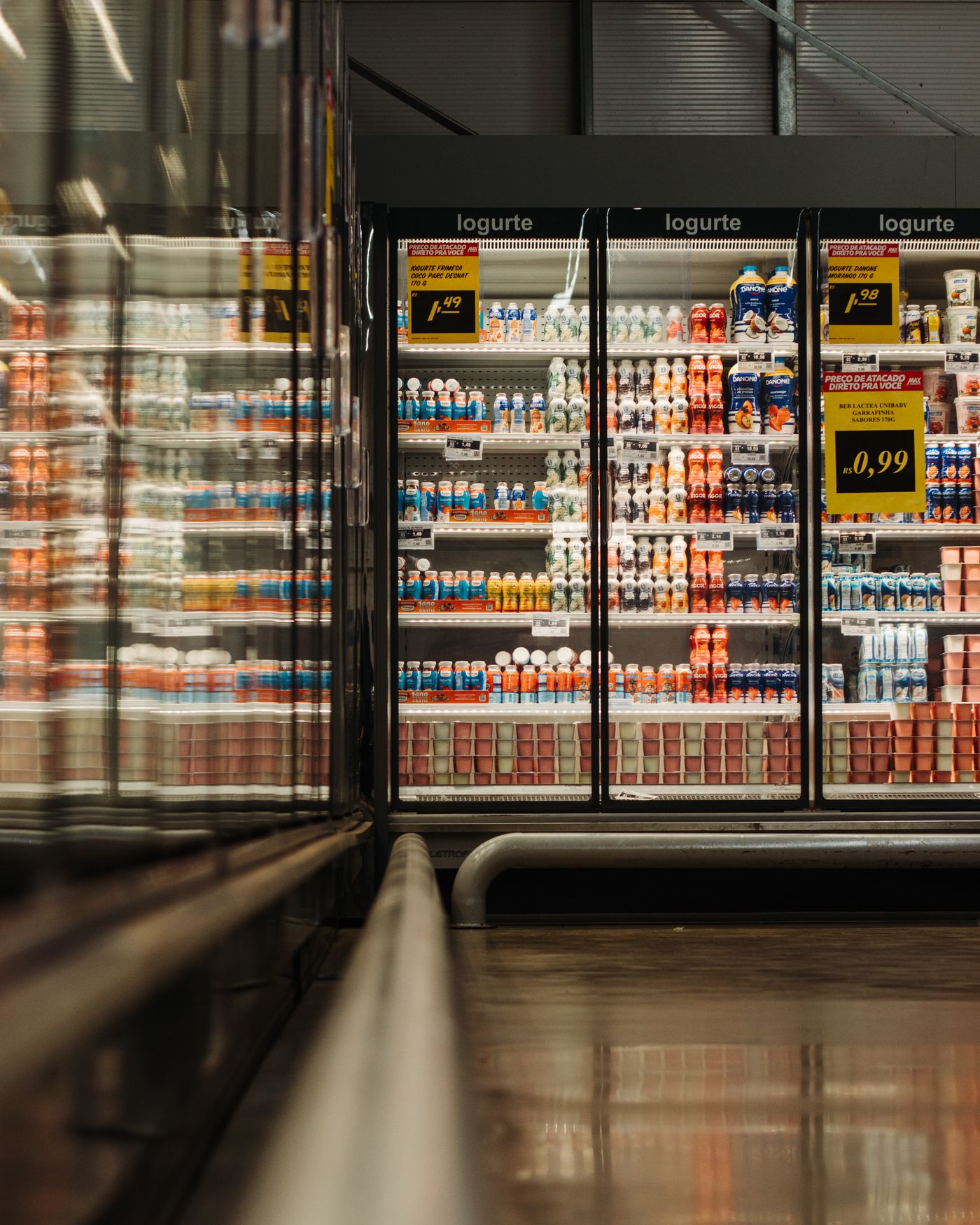
The date is only one part of the decision; refrigeration and package condition also matter. Image: Eduardo Soares / Pexels.
Quick answer
Eating yogurt after a printed date does not automatically make you sick.
A date may describe expected quality rather than a sudden safety cutoff. What matters more is how the yogurt was stored, whether the cup and seal are intact, whether there is mold or another clear defect, and whether an official recall matches the package.
If it was warm too long, has visible mold, is leaking, damaged or clearly swollen, matches a recall, or has an unknown handling history, do not taste it. Discard or return it.
Get medical help for warning signs
See a doctor for bloody diarrhea, diarrhea lasting more than three days, fever over 102°F (38.9°C), vomiting that prevents liquids from staying down, or signs of dehydration. During pregnancy, contact a doctor for fever with flu-like symptoms. Breathing difficulty or throat swelling after dairy can be an allergic emergency; use local emergency services.
The short answer
What can happen if you eat yogurt past its date?
Several outcomes are possible. You may feel completely normal, especially when the only concern is a past quality date and the product stayed cold in a sound package. The yogurt may also have a weaker flavor or an altered texture without causing illness. If it was contaminated or mishandled, you could develop diarrhea, stomach cramps, nausea, vomiting or fever.
The date alone cannot predict which outcome will occur. Neither can one sniff or a tiny taste. Use the full handling history and the condition of the package. If that information is missing, the safer choice is to stop eating it.
A quick decision table
Does an expiration date mean the yogurt is unsafe?
Not always. In the United States, many packaged-food dates are set to communicate quality. FDA and USDA support the phrase Best if Used By for the point after which flavor or quality may decline. Other terms, such as Sell By, Use By and Expires On, are not used with one universal meaning across every product, company, state and country.
Read the exact words on the cup. A sell-by date may help a retailer manage stock. A best-by date often describes expected quality. A use instruction may carry different product-specific meaning. The label’s storage instructions and the maker’s guidance still apply.
This is why there is no honest, universal answer such as “yogurt is safe for exactly seven days after the date.” An article cannot know when a cup was opened, whether it sat in a warm car, whether a spoon introduced contamination, or whether the refrigerator stayed cold. A fixed number would hide the evidence that matters most.
Useful rule: a past quality date may start the assessment, but it should not overrule known temperature abuse, a broken seal, mold, a clear product defect or an exact recall match.

A clear date code, readable lot code and intact seal support a better decision, but they do not replace food-process and cold-chain controls. Image: Honokage.
Five checks before another bite
How can you decide whether to discard it?
1
2
3
4
5
Which spoilage clues are useful?
A clear defect can tell you to reject yogurt. Normal appearance cannot certify that it is safe. Harmful germs and recall-related problems may not change the smell, color or taste, so never let a normal sniff override a known warm exposure or recall.
Do not scrape mold off yogurt. Do not stir it in, smell it closely, or eat around the spot. Bag or wrap the product, discard it, and clean the refrigerator area where it was stored.

Symptoms deserve attention, but timing alone cannot prove which food caused them. Image: Kindel Media / Pexels.
After you already ate it
What should you do now?
Do not panic, and do not take another bite to test it. A calm, documented response is more useful than trying to diagnose yourself from a date or a smell.
CDC notes that the food responsible for an illness is often not the last food eaten. Different germs have different onset times, and a virus, another meal, lactose intolerance or milk allergy can overlap with digestive symptoms. Preserve evidence without assuming that yogurt is already proven as the cause.
When should you contact a doctor?
Most foodborne illnesses are mild, but some require medical care. Contact a healthcare professional for the CDC warning signs below:
- bloody diarrhea;
- diarrhea lasting more than three days;
- fever above 102°F (38.9°C);
- vomiting so often that liquids will not stay down; or
- little urination, dry mouth or throat, or dizziness when standing.
People aged 65 or older, children under 5, pregnant people and people with weakened immune systems have a higher risk of serious foodborne illness. They may need earlier professional advice. Pregnant people with fever and flu-like symptoms should contact a doctor.
Milk allergy is different: hives, facial or throat swelling, wheezing, breathing trouble, severe dizziness or loss of consciousness can signal a serious allergic reaction. Stop eating, follow the person’s allergy plan and seek emergency help for severe signs.
Which storage rules matter more than the date?
Keep yogurt at 40°F (4°C) or below and use a refrigerator thermometer. A dial setting does not prove the actual food temperature. Refrigerate purchases promptly and include the trip home, doorstep delivery, school lunch, buffet and picnic in the cold-chain decision.
FDA’s general rule is not to leave food that needs refrigeration at room temperature for more than two hours. Reduce that limit to one hour when the air temperature is above 90°F (32°C). Yogurt left out overnight should be discarded. Putting it back in the refrigerator or freezer does not make the earlier handling disappear.
During a power outage, keep the refrigerator closed. A closed refrigerator can keep food cold for about four hours, but the real decision depends on time and temperature. The FoodSafety.gov outage chart says to discard yogurt exposed to 40°F or above for more than two hours.
Do not use freezing as a rescue step. Freezing may preserve a properly handled product’s quality, but it does not make recalled, moldy, contaminated or temperature-abused yogurt safe.
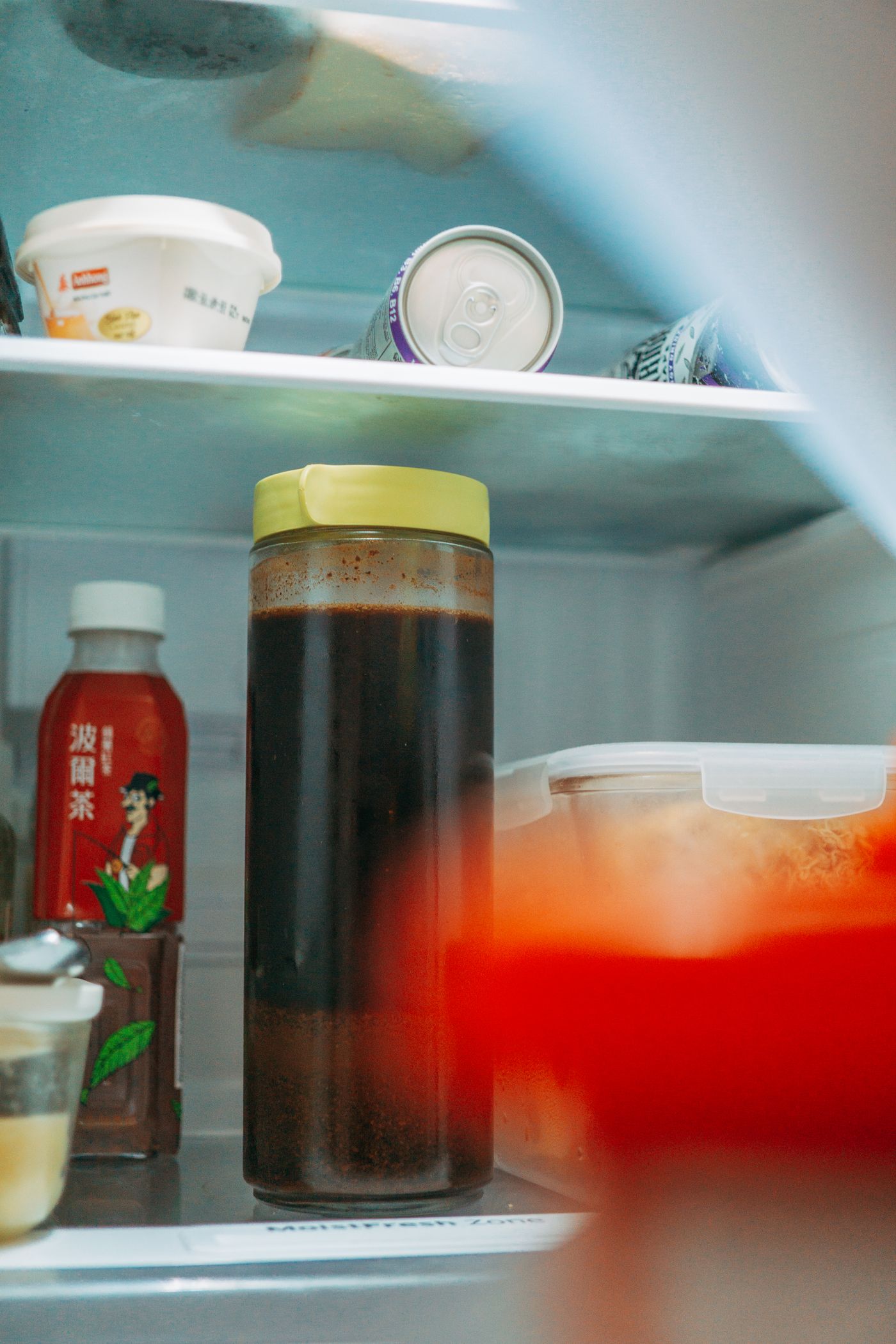
A refrigerator thermometer and a known handling history are more useful than guessing from the control dial. Image: FOX / Pexels.
Does opened yogurt need a different check?
Yes. An unopened cup with an intact original seal has one less exposure route than a tub that has been opened and served. After opening, clean utensils, prompt re-closing and continuous refrigeration become part of the history. Double-dipping, eating directly from a shared tub, leaving it on the table, or returning served yogurt to the package can add uncertainty.
Write the opening date on a family-size tub if the printed code will not answer that question later. Follow the maker’s after-opening guidance when one is given. Do not stretch that guidance because the surface still looks normal, and do not assume a newly opened cup is safe when the seal was loose, punctured or already lifted.
Practical point: unopened is useful package evidence, not a safety guarantee. Opened does not mean spoiled, but it adds handling events that a printed date cannot describe.
Real-life decisions
How do common situations change the answer?

Package inspection helps control dimensions, appearance and fit, while food safety still depends on the whole product and process system. Image: Honokage.
For dairy brands and packagers
Can a better yogurt cup create a longer safe shelf life?
Not by itself. Shelf life belongs to the finished system: recipe, ingredients, pasteurization or other process controls, sanitation, filling, cup, rim, seal, closure, distribution and cold storage. A container can support protection and traceability, but it cannot turn an unvalidated food into a safe product.
For a commercial project, qualify the cup and lid or sealing foil under the real fill process. Check rim contamination tolerance, seal window, leak performance, transport damage, stacking, code legibility and the planned storage range. Connect every complaint to the food lot, cup lot, closure lot, line, shift and shipment.
Honokage’s live yogurt container range shows multiple cup formats, while its testing overview describes supplier-side checks. Those pages can help define questions for an RFQ. The dairy producer remains responsible for food safety, regulatory compliance, shelf-life validation and release decisions for the finished packaged product.
Frequently asked questions
Expired yogurt FAQ
Can expired yogurt make you sick?
It can, but the printed date alone does not cause illness. Risk depends on contamination, storage temperature, package integrity, visible defects and recall status.
Is unopened yogurt safe after the best-by date?
An intact, continuously refrigerated package is a favorable sign, not a guarantee. Follow the label and maker’s guidance, check for defects and recalls, and avoid a universal extra-days rule.
Can yogurt be unsafe even if it smells fine?
Yes. Normal smell and appearance cannot rule out harmful germs, a recall or an earlier temperature problem. Do not taste questionable yogurt as a safety test.
Does liquid on top mean yogurt has spoiled?
Not necessarily. It may be normal whey separation. Check storage, seal, mold, odor, color and recall status together.
Can I eat around a moldy spot?
No. Discard the whole container. Yogurt has enough moisture for contamination to extend below the visible surface.
What if yogurt was left out overnight?
Discard it. Overnight exposure is far beyond the general two-hour limit for refrigerated perishables.
How soon would symptoms begin?
There is no single timing rule. Different causes act at different speeds, and the responsible food may not be the last one eaten. Focus on severity and evidence.
What if I ate it while pregnant?
A past date alone does not prove danger. Stop eating questionable product, keep the package and contact a doctor if symptoms occur; pregnancy with fever and flu-like symptoms warrants medical advice.
Does freezing expired yogurt make it safe?
No. Freezing cannot correct mold, a recall, contamination or a failed cold chain.
For yogurt packaging projects
Build traceability and package validation into the brief
Share the product, filling process, closure, storage conditions, distribution route, coding needs, target market and test plan. Honokage can discuss an existing cup or a custom packaging project; food safety and shelf-life claims must be confirmed for the selected finished system.
Final recommendation
Treat the date as one clue, not the whole decision
A past date does not mean illness is certain, and a future date does not make mishandled yogurt safe. Use the exact label wording, cold-chain history, package integrity, product condition and recall status together.
If you already ate it, stop further exposure, save the product details, check official recalls and monitor meaningful warning signs. When the history is unknown or a clear reject signal is present, discard the yogurt instead of taste-testing it.
Sources and further reading
- FDA: How to Cut Food Waste and Maintain Food Safety — U.S. date-label context and quality wording.
- FDA: Are You Storing Food Safely? — refrigerator temperature, time limits and sensory limitations.
- USDA FSIS: Molds on Food — why moldy yogurt should be discarded.
- CDC: Food Poisoning Symptoms — common symptoms, medical warning signs and pregnancy guidance.
- CDC: People at Increased Risk for Food Poisoning — higher-risk groups.
- CDC: What to Do if You Think You Have Food Poisoning — food history, labels, receipts and reporting.
- FDA: Food Recalls—What You Need to Know — exact product matching and safe handling.
- FoodSafety.gov: Food Safety During a Power Outage — time-temperature guidance for yogurt and other dairy foods.
Medical limitation: this page provides general food-safety information. It does not diagnose, treat or rule out foodborne illness, lactose intolerance, milk allergy or another condition. Follow local emergency guidance and advice from qualified clinicians and public-health authorities.