


Photo: Chris F / Pexels, free to use.
The practical answer
If a cup of yogurt sits comfortably, you do not need to wait for a theoretical finish time before eating again. Hunger, comfort, portion needs, and medical advice matter more than a stopwatch. If yogurt repeatedly causes bloating, pain, diarrhea, vomiting, or another symptom, investigate the product and pattern instead of assuming that you “digest slowly.”
Medical note: This article gives general education, not a diagnosis or personal treatment plan. Digestive symptoms can have many causes. A clinician can assess ongoing or severe problems and decide whether testing is appropriate.
Stomach
Stores, mixes, and gradually releases the meal. “Four hours” is a broad meal benchmark, not a yogurt guarantee.
Small intestine
Continues digestion and absorbs many nutrients. Stomach plus small-intestine transit averages about six hours.
Colon
Handles remaining material and absorbs water. Passage here often takes another 36 to 48 hours and may take longer.
Symptoms are not a clock
Fullness, gas, or urgency does not reveal exactly where the yogurt is or whether digestion is complete.
What does “digest yogurt” actually mean?
People use the word digest for several different events. One person may mean “when my stomach feels empty.” Another may mean “when nutrients are absorbed.” Someone else may be thinking about the time until a bowel movement. Those are not the same endpoint, so a single answer such as “yogurt digests in two hours” is misleading.
Gastric emptying is the movement of food from the stomach into the small intestine. Digestion and absorption include breaking down protein, fat, and carbohydrate and moving usable nutrients into the body. Whole-gut transit continues through the large intestine until waste leaves the body. A cup of yogurt does not pass through these stages as one intact object; its components are mixed with other stomach contents and handled at different rates.
This distinction solves the apparent conflict between short online answers and longer medical timelines. Several hours can be a reasonable discussion of the upper digestive tract, while the full trip through the colon commonly lasts much longer.
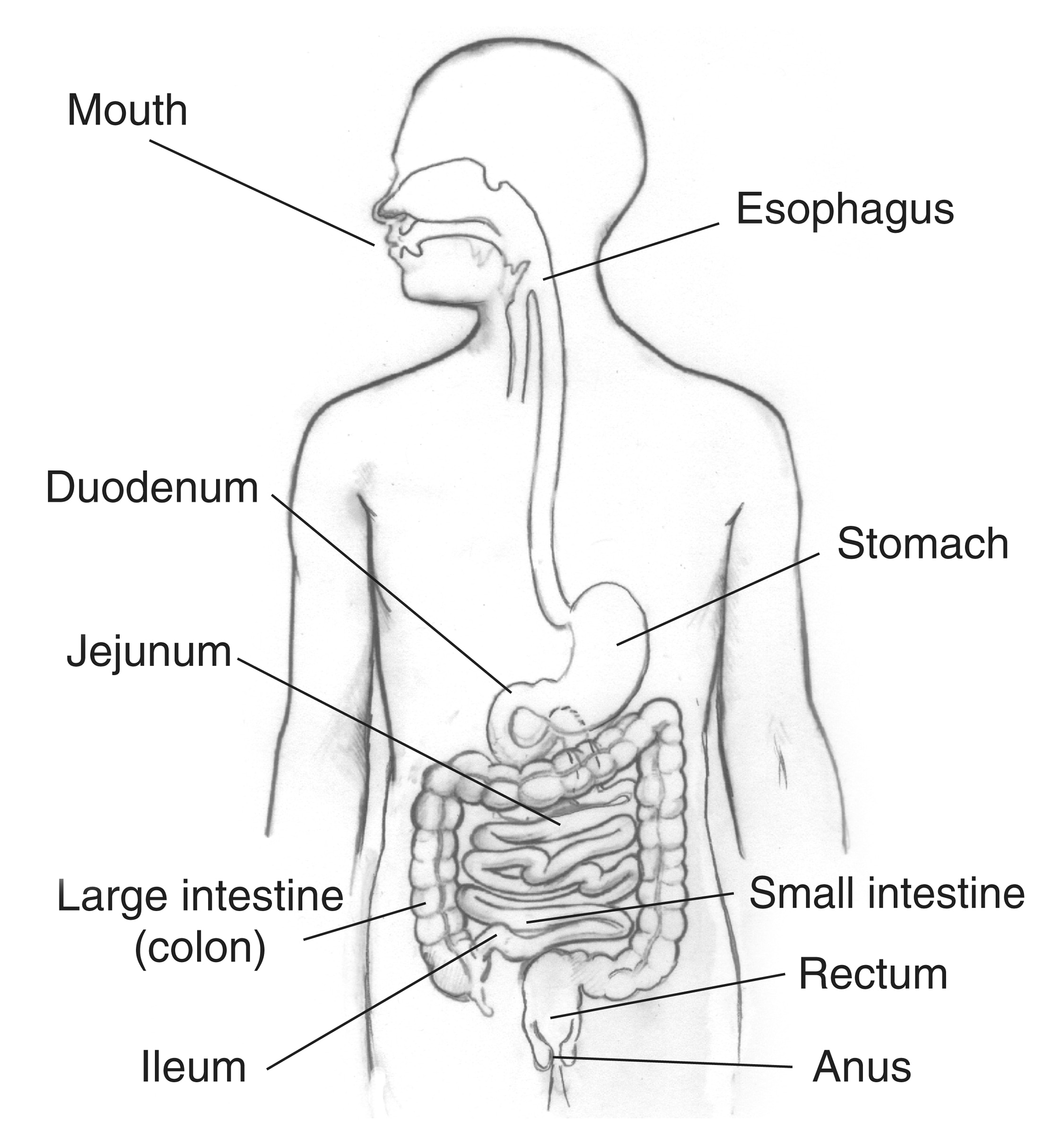
Credit: National Institute of Diabetes and Digestive and Kidney Diseases, National Institutes of Health.
Why the stages matter
Digestion is a route, not a countdown
The stomach releases its mixed contents little by little. The small intestine then receives digestive juices and absorbs nutrients. Material that is not absorbed travels onward to the colon, where microbes act on some compounds and water is removed.
That is why a person can stop feeling full before the entire meal has completed its journey. It is also why a symptom can begin while food is still moving through the upper gut or later, after less-digested carbohydrate reaches the colon.
A realistic yogurt digestion timeline
The periods below are orientation points for a typical meal, not deadlines. MedlinePlus notes that about 90% of a meal normally moves out of the stomach in around four hours. Mayo Clinic describes an average of about six hours for food to pass through the stomach and small intestine, followed by roughly 36 to 48 hours in the colon. A yogurt-only snack may behave differently from the standardized meals used in clinical testing.
What happens to yogurt’s ingredients?
Yogurt is not one nutrient. Its protein, fat, lactose, minerals, water, added sugars, thickeners, fruit, and cultures follow related but different paths. Looking at the ingredient list often explains more than looking at the word “yogurt” on the front label.
Protéine
Stomach acid and enzymes start unfolding and cutting milk proteins. Enzymes in the small intestine continue the work so amino acids and small peptides can be absorbed.
Graisse
Fat digestion depends heavily on the small intestine, bile, and pancreatic enzymes. Higher-fat meals often leave the stomach more slowly than lower-fat meals.
Lactose
The lactase enzyme normally splits lactose in the small intestine. Poorly absorbed lactose can reach the colon, where fermentation may cause gas, bloating, pain, or diarrhea.
Cultures
Starter cultures ferment milk during production. A product may also contain specific probiotic strains, but that does not make “faster digestion” an automatic or proven outcome.
Toppings can change the meal more than the yogurt
A small plain yogurt and a large parfait are different digestive loads. Granola, nuts, seeds, fruit, honey, and nut butter change calories, fat, fiber, texture, and volume. Those additions may improve nutrition and satisfaction, but they also make comparisons based on the yogurt alone unreliable.
When you troubleshoot discomfort, record the full bowl. Blaming yogurt while overlooking a large dose of added inulin, sugar alcohol, dried fruit, or high-fat toppings can lead you to remove a food that was not the main cause.

Photo: Hannah Barata / Pexels, free to use.
Does the type of yogurt change digestion time?
It can influence the experience, but the label name alone cannot predict your exact time. Compare the nutrition panel, ingredient list, portion, and your own response.
Yaourt ordinaire
A familiar mix of protein, carbohydrate, and sometimes fat. Plain and flavored versions can differ greatly in added sugar and ingredients.
Greek or strained yogurt
Usually thicker and higher in protein per serving. It may contain less lactose than some regular yogurt, but formulations vary.
Full-fat yogurt
Extra fat may slow stomach emptying within the total meal. That does not make it unhealthy or “hard to digest” for everyone.
Drinkable yogurt
A thinner texture does not promise instant digestion. Bottle size, sugar, fat, protein, and what you consume with it still matter.
Lactose-free dairy yogurt
A useful option when lactose is the problem. It still contains milk proteins and is not suitable for someone avoiding dairy because of milk allergy.
Plant-based yogurt
Coconut, oat, soy, almond, and other bases have different protein, fat, starch, gum, and sugar profiles. “Dairy-free” does not describe one digestion speed.
Seven factors that can change your experience
Serving size and total calories
A few spoonfuls do not create the same stomach volume as a large bowl. More food usually means more material to mix, process, and release.
Fat, protein, and thickness
A higher-fat, higher-protein, or very thick product may feel more filling and can behave differently from a thin low-fat yogurt. No one feature determines the result by itself.
The rest of the meal
Yogurt eaten alone is different from yogurt after a large dinner. Toppings and side foods change the mixed meal that your stomach actually handles.
Lactose tolerance
People make different amounts of lactase. The same yogurt and portion may be comfortable for one person and cause symptoms for another.
Added fiber and sweeteners
Inulin, chicory fiber, fruit concentrates, and sugar alcohols can cause gas or loose stools in some people, especially at larger doses.
Health and medications
Diabetes, prior surgery, thyroid conditions, digestive disorders, infections, and some medicines can affect motility or symptoms. Do not change prescribed medicine without professional advice.
Stress, activity, and normal variation
Your gut is not a machine with one daily speed. Sleep, stress, movement, menstrual-cycle changes, and ordinary day-to-day variation can change how a meal feels.
How to apply the timeline to a real meal
A practical estimate should describe the whole eating occasion. These examples show why the same person can have a different experience from day to day without anything being “wrong” with the yogurt.
Small plain snack
A modest serving eaten by itself may feel lighter than a full breakfast. Even so, it still moves through the stomach and intestine over hours, and whole-gut transit remains much longer.
Loaded breakfast bowl
Greek yogurt with nuts, seeds, fruit, and granola is a mixed meal. Its added volume, protein, fat, and fiber may increase fullness and make a short yogurt-only estimate less relevant.
Possible lactose issue
Symptoms within a few hours can fit lactose intolerance, but timing alone does not diagnose it. Compare ingredients and portions, and discuss recurring symptoms with a qualified professional.
Before activity
There is no universal waiting period before exercise. Start with a familiar portion and timing during ordinary training, not before an important event. Sports nutrition needs can also change the best choice.

Photo: Kaboompics.com / Pexels, free to use.
Better troubleshooting
Track the pattern, not the stopwatch
If yogurt bothers you, write down the exact product, portion, ingredients, toppings, time eaten, nearby meal, symptom, and time the symptom began. Repeat observations are more useful than one uncomfortable day.
Change one variable at a time:
- Compare a smaller serving with your usual serving.
- Try plain yogurt before blaming dairy for a heavily topped parfait.
- If lactose is suspected, compare a clearly labeled lactose-free dairy yogurt.
- Take your notes to a clinician or registered dietitian if symptoms continue.
Is yogurt easier to digest than milk?
For some people with lactose intolerance, yes. NIDDK notes that some people find yogurt easier to tolerate than other milk products. Fermentation and the product’s cultures can reduce or help with the lactose load, but brands, servings, and individual tolerance still differ. Yogurt is not automatically lactose-free.
Lactose intolerance is a problem digesting the milk sugar lactose. Symptoms can include bloating, diarrhea, gas, nausea, abdominal pain, rumbling, and sometimes vomiting, often within a few hours of lactose intake. The amount a person can tolerate varies. A small serving with a meal may be manageable even when a large sweetened yogurt is not.
Lactose intolerance is not milk allergy
Milk allergy is an immune reaction to milk protein and may be serious. Lactose-free dairy yogurt still contains milk protein unless the label says otherwise. Hives, throat or tongue swelling, breathing difficulty, faintness, or a rapidly worsening reaction needs emergency help.
Do probiotics make yogurt digest faster?
Not as a general rule. “Contains live cultures,” “contains probiotics,” and “digests faster” are three different statements. The NIH Office of Dietary Supplements explains that probiotic effects can depend on the microorganism’s genus, species, and strain. Products may also differ in dose, storage stability, and evidence for a particular health outcome.
A cultured food can be nutritious without having a proven probiotic benefit for a particular condition. Likewise, a strain studied for one outcome should not be marketed as if it improves every digestive complaint. The reliable approach is to read the strain information when provided, check the use-by and storage instructions, and judge a claim against evidence for that exact strain and intended benefit.
Raisonnable
“Contains live and active cultures” when the product and documentation support that statement.
Needs specifics
“Supports digestive health” should identify the evidence, strain, dose, audience, and limits.
Éviter
“This yogurt digests in 60 minutes” or “probiotics cure bloating” without high-quality product-specific evidence.
When should you seek medical advice?
Occasional fullness after a large meal is different from a repeating pattern that limits eating or daily life. Arrange medical advice for persistent nausea, repeated early fullness, regular pain, ongoing diarrhea or constipation, suspected food reactions, or symptoms that keep returning with uncertain cause. A clinician may review your diet, medicines, medical history, and whether a test is needed.
Get urgent medical help for warning signs such as:
• Vomiting that does not stop or inability to keep fluids down
• Severe or worsening abdominal pain
• Blood in vomit or stool, or black stool
• Fainting, marked weakness, or signs of dehydration
• Unexplained weight loss or difficulty maintaining nutrition
• Hives, swelling, or difficulty breathing after food
What yogurt brands and packaging buyers should take from this
Consumers want quick answers, but responsible communication must separate a general digestive timeline from a product promise. Packaging can make the safer, more useful information easier to find: serving size, allergens, lactose-free or dairy-free wording, ingredient list, storage conditions, use-by information, and any qualified culture or probiotic statement.


Honokage lists food-grade PP yogurt containers with IML decoration and options such as lids and heat-sealable structures. Buyers should still define product temperature, fill process, closure, barrier, transport, label, migration, and market requirements for their own application. A stock photo, capacity number, or general material description is not a substitute for project-specific validation.
Frequently asked questions
Can yogurt digest in one hour?
Some stomach emptying and small-intestine digestion can occur within the first hour, especially after a small snack. That does not mean every component is fully digested, absorbed, and through the gut. “One hour” is not a reliable universal finish time.
How long does Greek yogurt take to digest?
There is no validated Greek-yogurt stopwatch. Its thicker texture and often higher protein level may change fullness and gastric handling, while its lactose content may be lower than some regular yogurts. Portion, fat, toppings, and personal tolerance still matter.
Le yaourt est-il bon avant d'aller au lit ?
It can be a convenient snack if it fits your needs and feels comfortable. People with reflux, early fullness, or other symptoms may need different timing or portions based on professional advice. A claimed digestion time is not a reason by itself to eat or avoid it at night.
Why does yogurt make me bloated?
Possible contributors include lactose malabsorption, a large portion, added fibers, sugar alcohols, fruit, toppings, or another digestive condition. Use the ingredient-and-symptom log above. Seek medical advice when bloating is frequent, painful, worsening, or paired with warning signs.
Does yogurt digest faster on an empty stomach?
A small yogurt eaten alone may leave the stomach differently from yogurt within a large mixed meal, but “empty stomach” does not produce one predictable rate. The product’s calories, fat, protein, viscosity, and serving size still influence the meal.
Is lactose-free yogurt digested faster?
It may be more comfortable for a person who poorly absorbs lactose because the lactose has been removed or broken down. That is a tolerance benefit, not proof that the entire product moves through the stomach or intestine faster.
Can I use a bowel movement to time yogurt digestion?
No. A bowel movement contains material from many earlier meals, and the colon’s activity can be stimulated after eating. Timing an urge after yogurt does not prove that the yogurt traveled through the whole gut that quickly.
When is a gastric emptying test used?
Clinicians use gastric emptying tests when symptoms and medical history suggest a stomach-emptying problem. The test uses a standardized meal or other controlled method. Home observations cannot diagnose delayed gastric emptying; discuss persistent symptoms with a clinician.
For dairy brands and packaging teams
Turn clear consumer information into a practical yogurt pack
Share your product volume, filling process, closure, decoration, storage, transport, and target-market requirements. Honokage can review available yogurt-container formats and customization needs; final suitability depends on validation for your product and process.
Sources and evidence notes
Benchmarks are educational averages, not a personal prediction. Sources were checked for this upgrade on August 12, 2026.
- MedlinePlus — Gastric Emptying Tests: clinical test context and the broad four-hour meal benchmark.
- Mayo Clinic — How long does digestion take?: average stomach, small-intestine, and colon timing.
- NIDDK — Your Digestive System & How It Works: organ roles, digestion, absorption, and colon function.
- NIDDK — Eating, Diet, & Nutrition for Lactose Intolerance: personal tolerance and yogurt as a possible easier-to-tolerate milk product.
- NIDDK — Symptoms & Causes of Lactose Intolerance: symptom pattern and distinction from milk allergy.
- NIH Office of Dietary Supplements — Probiotics Fact Sheet for Consumers: strain-specific effects and limits of broad probiotic claims.