


The decision in one minute
Choose the lowest-complexity package system that protects your real yogurt, runs reliably, survives distribution, and supports only the claims you can prove.
Start with the formula and route—not a material preference. Define the dairy or plant base, fruit or inclusions, fill temperature, line, primary seal, cold-chain period, serving format, brand position, destination market, and end-of-life goal. Then compare complete systems: body, membrane, sealant, overcap, decoration, ink, adhesive, case, and pallet.
Fast shortlist: choose plastic first for efficient chilled scale, glass for a premium or operated reuse proposition, and paperboard only when the full coated or laminated construction and recovery route are already credible.
Five questions decide more than the material name
Buy a yogurt package system, not just a cup or jar
A useful quotation names every component and its job. “PP cup,” “glass jar,” or “paper tub” is not yet a comparable proposal.
Quick comparison
Plastic vs glass vs paperboard yogurt containers
This table creates a shortlist. It does not prove that a specific cup, jar, or composite will pass your formula, line, route, or market requirements.

Plastic is a flexible starting point, not a generic answer
A commercial plastic yogurt cup may be injection-molded PP, thermoformed PET or PS, or another qualified structure. It may include a barrier layer, heat-sealed membrane, overcap, pigment, sleeve, pressure-sensitive label, or in-mold label. Compare controlled construction drawings and component specifications—not the word “plastic.”
Rigid plastic often earns the first trial for high-volume refrigerated yogurt because low mass and nesting can improve logistics, while molding or forming can create repeatable rim and bowl geometry. IML can add durable, high-coverage decoration during molding. These are possible system advantages, not performance guarantees.
Plastic alone does not establish heat resistance, freezer suitability, oxygen barrier, microwave use, shelf life, recyclability, or food-contact compliance. Qualify the selected cup with the final lidding material, food, filling line, case, temperature range, and destination market.
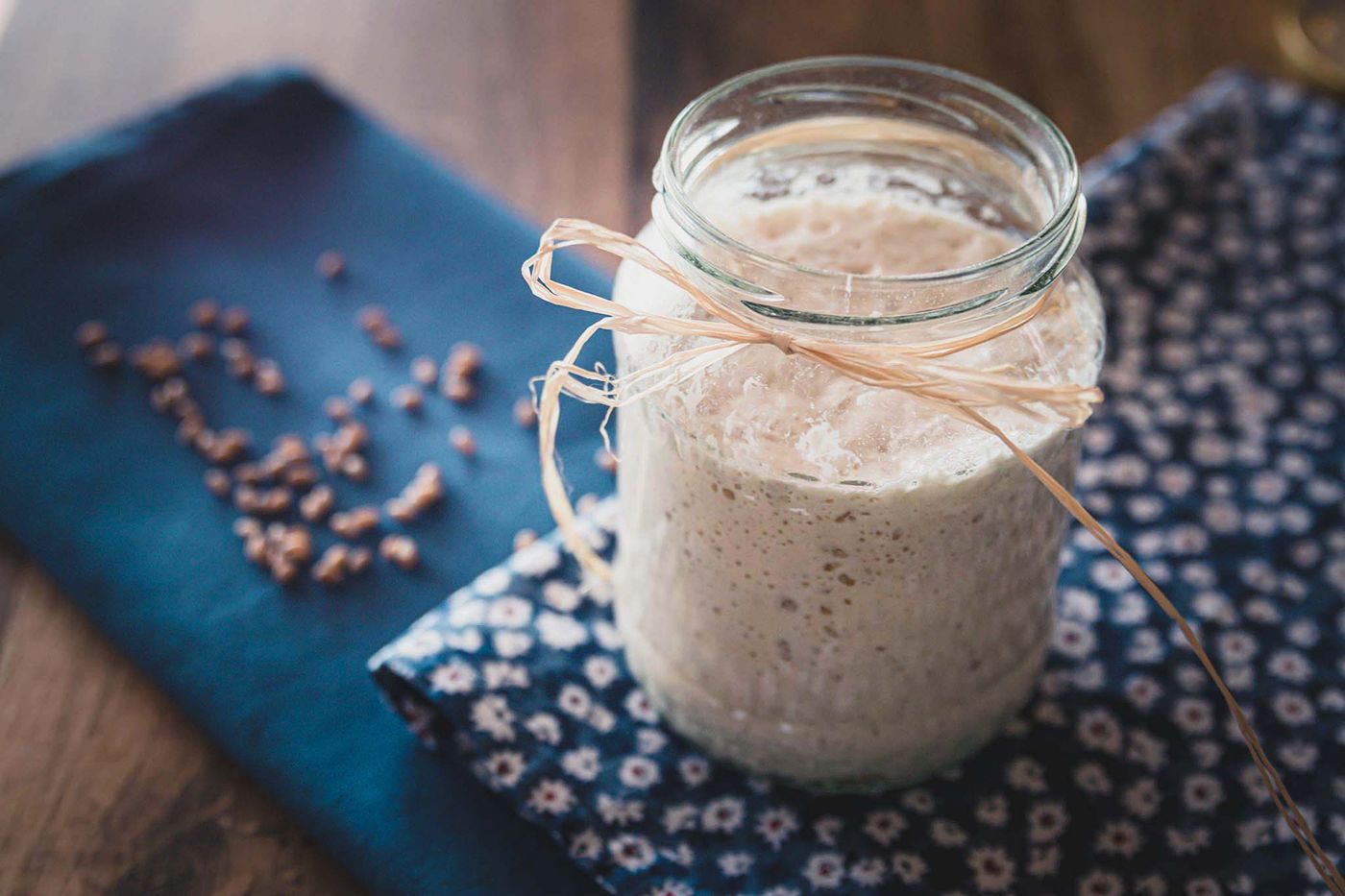
Glass yogurt image: Bátor Viktória / Pexels.
Glass can support a weighty, transparent, premium presentation. It may also make sense in a real deposit, return, or refill operation. The commercial question is whether that experience creates enough value to carry the heavier and more fragile system.
Price the shipped mass, jar breakage, cap and liner, finish dimensions, closure torque, case partitions, pallet containment, retail handling, and complaint response. Condensation can challenge label appearance and adhesion. A jar body does not prove the closure is leak-tight or that the filled product has a longer shelf life.
Use “reusable” only when collection, washing, inspection, refill, loss control, and cycle suitability are designed and operated. A consumer’s ability to repurpose an empty jar is useful, but it is not the same as a validated packaging reuse system.
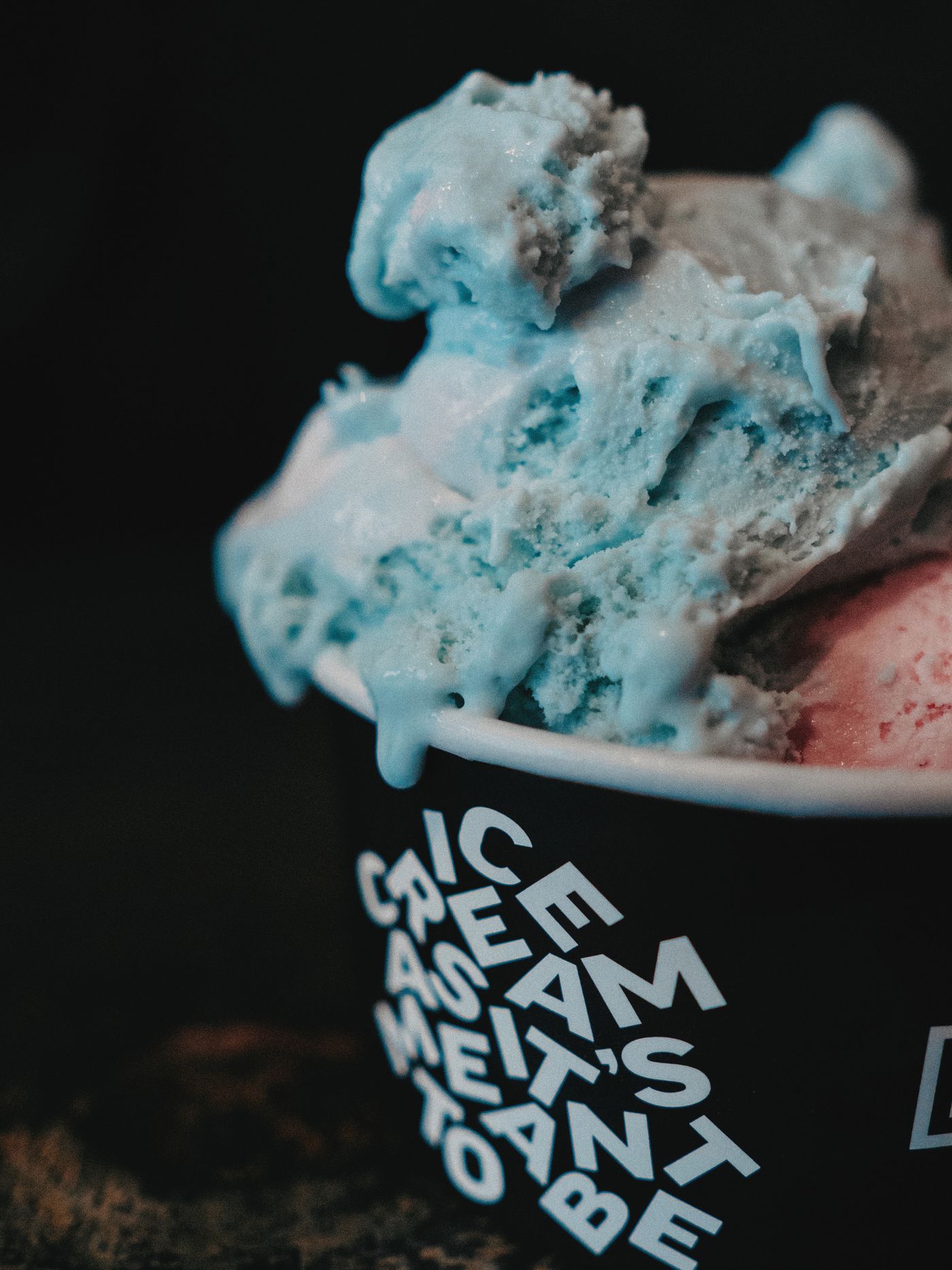
Paper cup application image: Lisa from Pexels. The scene illustrates the format family, not a ready-approved yogurt construction.
Paperboard is only one layer of the package
A paperboard yogurt container is usually a composite article. Board provides stiffness and print area, while a polymer liner, coating, laminate, sealant, membrane, adhesive, or another layer handles wet food contact, moisture, grease, barrier, and sealing.
Ask what touches the yogurt, what prevents softening or leakage, how the rim is formed and sealed, and what happens under cold condensation. Request the complete layer stack and food-contact evidence for board, liner or coating, sealant, ink, adhesive, and colorants.
Do not call the complete pack recyclable, compostable, or “eco-friendly” because it contains fiber. The real recovery route must accept the coated or laminated article with its lid, seal, and food residue in the markets where it is sold.
Scenario selector
Match the package to the product and business model
Do not infer shelf life from the container body
Shelf life belongs to the product-process-package system. Formula, fermentation, hygiene, microbial controls, fill, seal, headspace, light, oxygen, storage temperature, distribution time, and consumer handling all contribute. A glass jar or “high-barrier” film does not create a shelf-life result by itself.
Treat oxygen and light barrier as hypotheses. ASTM D3985 measures oxygen transmission through film or sheeting under defined conditions; ASTM itself notes that OTR is not the sole determinant of package protection. A finished cup also has a wall, rim, seal perimeter, headspace, lid, and distribution history.
Refrigeration is essential, but it is not a complete food-safety plan. FDA notes that Listeria can grow at refrigerator temperatures. Establish the product’s validated cold-chain and shelf-life specification rather than turning “keep refrigerated” into a universal guarantee.

Test the finished yogurt pack, not an empty sample
Use the actual cup or jar, lidding material, closure, food, fill level, line equipment, case, pallet, and route. Food on the rim, product temperature, foam, start-up variation, and seal-tool wear can change the operating window.
Seal strength, leakage, opening behavior, compression, vibration, drops, temperature exposure, and filled-pack shelf life answer different questions. A strong seal can still leak; a leak-tight seal can still be too hard for consumers to peel.
Set brand-specific acceptance limits from development and production evidence. Do not copy a generic peel force, vacuum limit, drop height, or top-load number from another package.
Compliance and claims
“Food grade” and “recyclable” need defined evidence
FDA states that the regulatory status of a food-contact material depends on the individual substances that make up the article and their intended use. Review the body, membrane, sealant, liner, coating, label, ink, adhesive, pigment, and recycled content for the real food, temperature, contact time, storage, and market.
A supplier letter of guaranty can support the U.S. file, but it should name the exact article and conditions. Recycled plastic requires its own source, process, traceability, intended-use, and change-control evidence. A recycling code or another product’s recycled-content approval is not enough.
For U.S. marketing, the FTC advises against broad unqualified claims such as “green” or “eco-friendly.” Its current Green Guides summary says recyclable claims should be qualified when suitable facilities are not available to at least 60% of the consumers or communities where the product is sold, and partial recycled-content claims should state the amount.
EU timing: Regulation (EU) 2025/40 on packaging and packaging waste generally applies from August 12, 2026. Treat it as a reason to improve component inventories, evidence, design review, and change control—not as a one-line claim that one material is automatically compliant.

Qualify the package before tooling or purchase orders
- Write the product-use profile. Formula class, acidity and fat context, fill, headspace, cold chain, serving, route, and recovery target.
- Build the component bill. Body, liner, barrier, membrane, sealant, cap, IML or label, ink, adhesive, pigments, case, and pallet.
- Review food-contact evidence. Cover each expected migrant and intended use in every target market.
- Run realistic line trials. Include product temperature, rim contamination, speed, start-up, shutdown, and the planned seal window.
- Validate filled packs. Test opening, integrity, stack load, distribution, and food quality through shelf life.
- Lock the approved system. Record tolerances, seal recipe, inspection plan, acceptance limits, traceability, and change notification.
What belongs in a useful yogurt-container RFQ?
Give every supplier the same brief so you compare complete systems rather than unrelated interpretations of “a sustainable yogurt cup.”
Honokage’s live yogurt-container range shows PP IML formats from small portions to larger tubs. Treat a listed size as a development starting point. Confirm final dimensions, fill, rim and lidding compatibility, decoration, intended-use documents, sampling, and filled-product tests before approval.
Avoid these costly selection mistakes
Bottom line
Choose the proven package, not the most attractive material story
For many yogurt businesses, a qualified rigid plastic cup with a validated primary lidding seal is the practical scale-oriented starting point. Glass can be a strong premium or reuse format when the operation controls the heavier, more fragile system. Paperboard can work when the complete composite—not only the board—meets food-contact, moisture, seal, distribution, and recovery requirements.
The winner is the system that protects your real product, runs with a safe process margin, reaches consumers intact, fits the business model, and supports truthful market-specific claims. Approve it with production-intent components and filled-pack evidence.
Frequently asked questions
What is the best material for yogurt containers?
There is no universal winner. Rigid plastic is often the scale-oriented chilled starting point. Glass can fit premium or reuse-led programs, and paperboard can fit a qualified composite and recovery system. Select the complete package around the food, process, seal, route, use, and market.
Is plastic or glass better for yogurt?
Plastic often offers lower mass, nesting, format flexibility, and robust geometry. Glass can create a premium experience and support a designed return system, but adds weight, breakage, closure, and logistics controls. Neither is automatically safer or more sustainable.
Is paperboard packaging safe for yogurt?
It can be when the complete construction is designed and documented for the intended food. Verify the liner, coating, laminate, membrane, sealant, ink, adhesive, and other components, then test filled packs for leakage, moisture, condensation, compression, and distribution.
Do yogurt containers need a foil seal?
They usually need a validated primary seal, but it does not have to be defined only by the word “foil.” The selected membrane must provide the required integrity, peel, barrier, tamper evidence, and line performance with the exact rim and product.
Are plastic yogurt cups recyclable?
Some are accepted in some programs. The cup resin, membrane, lid, label, adhesive, pigment, food residue, collection, sorting, and local end market determine the practical route. A resin code is not a universal recycling guarantee.
Can yogurt packaging use recycled plastic?
Possibly, with appropriate food-contact, source, process, traceability, intended-use, and market evidence. A recycled grade used in another application is not automatically suitable for yogurt or for every component.
Does glass make yogurt last longer?
Not by itself. Formula, process, closure or membrane, headspace, light, storage temperature, distribution, and pack integrity determine shelf life. Validate the complete jar-closure-product system.
Does every yogurt cup need an oxygen barrier?
No. Add barrier only when the formula and target shelf life show a relevant oxygen, light, flavor, color, or nutrient risk. Verify the sealed-pack result rather than relying only on film data.
What tests should a yogurt container pass?
The plan is product specific, but often includes seal-window work, seal strength, package integrity, opening, compression, drops, distribution, and filled-pack shelf-life evaluation. Set acceptance limits from your own validated system.
How should I compare yogurt-container suppliers?
Give each supplier the same formula, process, geometry, component, compliance, testing, claim, and commercial brief. Compare the complete system, sample-to-production consistency, technical support, traceability, and change-control process—not only unit price.
For yogurt brands, co-packers, and private-label teams
Build a sample plan around your real yogurt
Share the formula class, fill weight, fill and seal conditions, cold chain, target shelf life, line type, annual volume, cup dimensions, closure, artwork count, destination market, and end-of-life goal. Honokage can review existing PP IML formats or discuss a custom route. Final suitability should be confirmed through approved documentation, line trials, and filled-product tests.
Technical sources
This is a practical buying guide, not legal advice, a food-safety plan, or shelf-life validation. Confirm current requirements in every destination market and qualify the final food-package-process combination.
- FDA: Food Types and Conditions of Use for Food Contact Substances — dairy food types and refrigerated, hot-fill, frozen, and reheating conditions.
- FDA: Determining the Regulatory Status of Components of a Food Contact Material — component-by-component and intended-use review.
- FDA: Preventing Listeria Infections — refrigeration limits and cold-storage context.
- FDA: Recycled Plastics in Food Packaging — source, process, contamination, and intended-use evidence.
- ASTM F88/F88M-23 — seal strength for process validation and control.
- ASTM F2338-24 — nondestructive vacuum-decay leak detection where applicable.
- ASTM D3985-24 — oxygen transmission through plastic film and sheeting.
- ASTM D4169-22 — laboratory evaluation of shipping units against distribution hazards.
- FTC: Environmental Claims Summary of the Green Guides — qualification of recyclable, recycled-content, refillable, and broad environmental claims.
- EUR-Lex: Regulation (EU) 2025/40 — PPWR scope and application from August 12, 2026.