


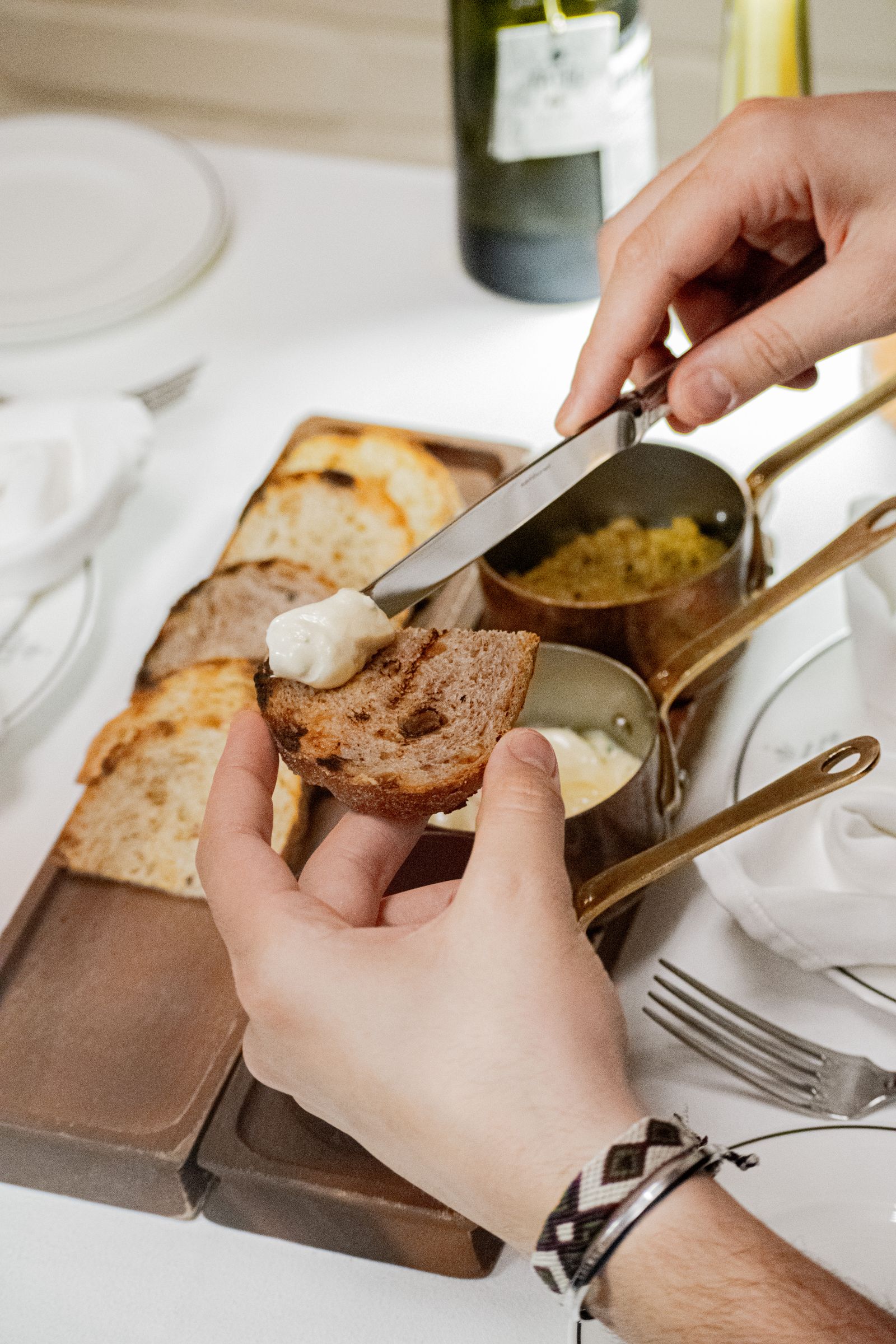
The simplest answer
Put a controlled amount of butter where the eater will notice it most.
If you want a buttery first bite, finish good bread while it is warm. If you want a softer, richer crumb, use a tested enriched-dough formula. These are different goals: a surface finish mainly changes aroma, salt, shine, and mouthfeel; butter inside dough also changes mixing, structure, proofing, moisture balance, and cost.
Start with the bread: butter should highlight a well-fermented, properly baked loaf. It cannot repair stale bread, weak seasoning, poor proofing, or an underbaked crumb.
Four rules prevent most butter-and-bread mistakes
Quick technique selector
Which butter technique fits your bread?
Choose the result first. The same stick of butter can create a crisp finish, a soft top, a tender dough, or a nutty aroma depending on its state and timing.

Choose butter by purpose, not prestige
U.S. butter must contain at least 80% milkfat by weight, but products can still differ in salt, water, culture, flavor, butterfat level, and pack format. That is why a butter that tastes excellent on sourdough is not automatically an equal substitute in a tightly balanced brioche formula.
Ungesalzene Butter is the easiest default for dough because the baker controls the recipe’s salt separately. Gesalzene Butter works well as a finish on toast, rolls, and table bread. If it replaces unsalted butter inside dough, adjust only through a tested formula rather than guessing how much salt the brand contains.
Cultured butter can bring tangy dairy character to sourdough and country bread. Higher-fat butter may behave differently because its water and fat balance differs. Whipped or spreadable butter is convenient at the table but should not be substituted by volume in dough because air and added ingredients change the actual mass.
Clarified butter or ghee contains far less water and no milk solids to brown in the same way. It can suit a hot-pan finish, but it is not a one-for-one replacement for standard butter in a water-sensitive bread formula.
Four simple ways to improve toast, rolls, and warm bread
For a cafe, test the same bread plain, with a thin finish, and with a heavy finish. Compare aroma, first-bite flavor, crust, hand feel, grease transfer, and how well the bread’s own character remains. Check again after 5 and 15 minutes because crispness changes as steam and melted fat move through the crumb. This delayed check matters for buffet, takeaway, and delivery service. A small sensory test often gives a better standard than simply raising the butter portion.
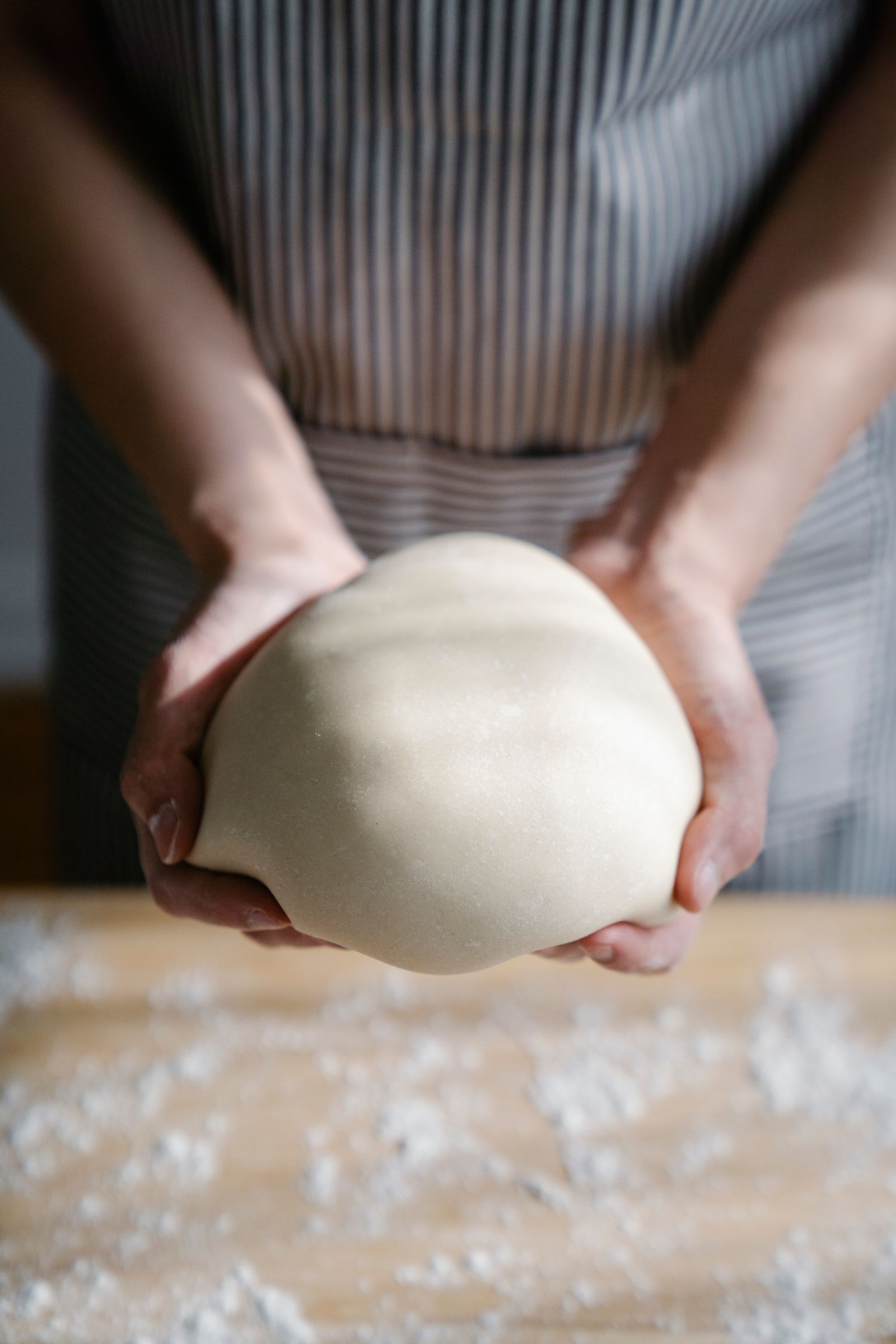
Dough image: Felicity Tai / Pexels.
Inside dough, butter is a formula component
Butter inside bread does more than add flavor. Fat can contribute tenderness and change how gluten develops, spreads, and stretches. Butter also brings water and milk solids, so the same apparent amount of liquid may behave differently from a lean flour-and-water dough.
In one representative King Arthur butter-enriched bread recipe, the dough is mixed until smooth and elastic before room-temperature butter is added. Mixing continues until the butter is fully incorporated and the dough becomes smooth, shiny, and elastic. This is a useful example, not a universal rule for every loaf.
Follow the exact recipe’s butter weight, temperature, order, and mixing cues. A 10-gram change in a table spread is a serving decision; the same change repeated through every loaf changes formula balance, salt, dough handling, cost, and yield.
Temperature is an ingredient
Softened, melted, cold, and browned butter are not interchangeable
Safe shortcut: use the ingredient state named by the recipe. If you want to experiment with another state or fat, change one factor in a small batch and record dough feel, proofing, crumb, flavor, and greasiness.
Use brown butter for aroma, not sheer quantity
Brown butter works well where its toasted, nutty aroma can be noticed: cinnamon toast, pecan rolls, whole-grain bread, sweet buns, and warm sourdough. As butter heats, its water evaporates and the milk solids brown. The result is stronger flavor without requiring a thick layer.
- Start with unsalted butter when the result will enter a formula, so salt remains easier to control.
- Use a light-colored pan and steady medium heat so you can see the milk solids changing.
- Stir or swirl to prevent solids from sitting in one hot spot.
- Stop at fragrant golden-to-deep-brown solids, before black particles and bitter smell appear.
- Transfer it from the hot pan immediately because carryover heat continues browning.
Use brown butter warm only when a recipe expects melted butter. If a spread or dough needs softened fat, cool it until the correct texture returns. King Arthur gives one practical correction for formulas that depend on standard butter’s water: add 1 tablespoon (14 g) liquid for each 1/2 cup (113 g) of butter browned. Treat that as recipe-specific guidance, not a rule to apply mechanically to every bread.
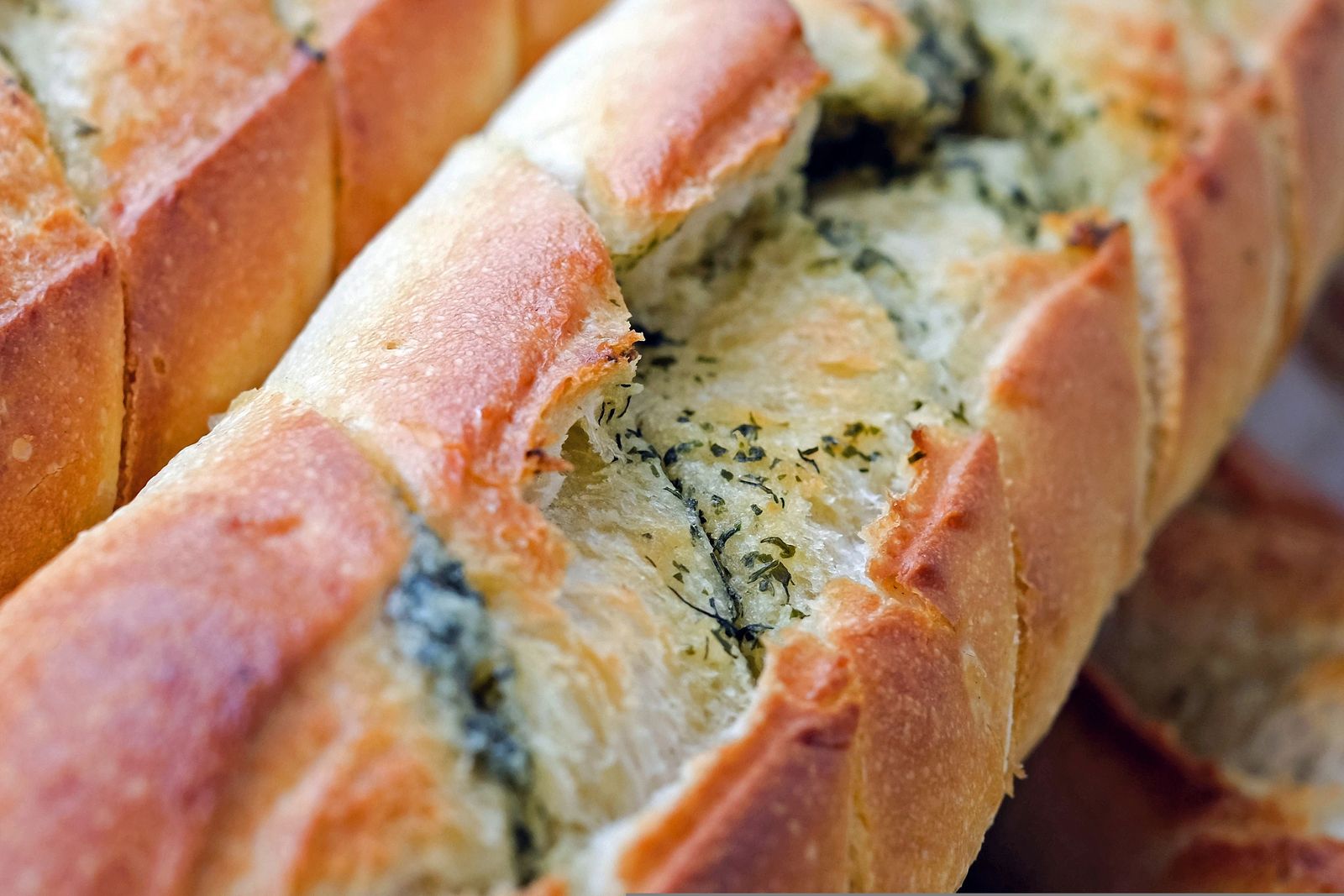
Garlic bread image: Ilo Frey / Pexels.
Compound butter turns plain bread into a finished dish
Compound butter is softened butter mixed with complementary ingredients. It works because one measured portion can deliver dairy aroma, seasoning, and visible herbs across the cut surface. Keep the formula short and cut ingredients small enough to spread evenly.
For garlic bread, use a thin layer and heat only until the bread is hot, fragrant, and appropriately browned. Garlic and butter’s milk solids can scorch under high heat. If dark spots and harsh bitterness appear, reduce the layer, lower or shorten the heat, and add delicate fresh herbs after baking.
Storage boundary: University of Maine Cooperative Extension says compound butter mixed with herbs, garlic, spices, or other ingredients should be refrigerated at all times. Added moisture and microorganisms make it different from plain butter. A food business needs a validated formula, process, cold chain, pack, and date code.
Match the butter move to the bread
Fix the symptom instead of adding more butter
Toast is dry at the edges.
Soften the butter and spread while the toast is hot, reaching corners instead of pressing cold butter into the center.
Bread tastes greasy.
Reduce the finish. Create more aroma with cultured or browned butter rather than more volume.
Dough tears or looks oily.
Return to the recipe’s mixing order and butter temperature; add it gradually and mix until fully incorporated.
Loaf tastes too salty.
Salted butter likely replaced unsalted butter without a tested adjustment.
Brown butter tastes bitter.
Use steadier heat and transfer it sooner, before the milk solids move from brown to black.
Garlic bread has burnt spots.
Use a thinner layer and shorter heat; finish with delicate herbs after baking.
Storage and allergen limits
Convenient softening is not a shelf-life claim
Keep the main butter supply refrigerated at 40°F (4°C) or below, covered and protected from odors. Soften only the amount needed for the current baking or service period, use a clean utensil, and return unused plain butter to refrigeration according to its label. A portion placed out briefly for toast is a service choice; it does not prove that every butter product is shelf-stable.
Product instructions can be stricter than general advice. Land O’Lakes, for example, tells users of its butter not to leave it at room temperature for more than four hours. That is product-specific guidance, not a universal commercial date code. Whipped butter, spreads, blends, homemade butter, and flavored butter can need different handling.
Butter contains milk, a major U.S. food allergen. Bread may also contain wheat, egg, soy, sesame, nuts, or other allergens. A butter finish changes the finished product: do not describe a bread as dairy-free when butter is added after baking, and do not let a shared brush or knife move butter to products intended to avoid milk.
For severe allergies: ingredient labels, validated cleaning, separation, dedicated tools, and the applicable local rules matter more than visual separation alone. A customer-facing cafe or bakery should document its real process.

For cafes and bakeries: standardize the result
“Use premium butter” is not an operating standard. It does not define salted or unsalted, cultured or sweet cream, portion weight, temperature, application tool, storage, allergen control, or the bread experience the customer should receive.
Write the target first: clean dairy flavor, cultured tang, brown-butter nuttiness, garlic-herb aroma, sweet-spice finish, or a softer roll top. Then set grams per slice or roll, where the butter is applied, how it is held, and what appearance and hand feel count as acceptable.
The live Honokage butter container range shows multiple PP IML formats and capacities for dairy products and spreads. Treat these as starting options. The correct pack still depends on the formula, target fill, headspace, filling process, closure, cold chain, serving method, market, and approved sample tests.
Build a repeatable butter-and-bread service standard
- Define the application. State whether butter goes inside dough, on rolls after baking, on toast at service, on garlic bread before brief heating, or into a prepacked retail item.
- Approve the ingredient. Record salted or unsalted, cultured status, butterfat or other relevant product data, allergens, pack size, storage instructions, and approved supplier.
- Measure the portion. Use grams per loaf, slice, roll, or order. Define the scoop, brush, knife, or depositor and what a correct portion looks like.
- Set the process window. Include butter temperature, mixing or application stage, dough or bread temperature where relevant, heating time, cooling, wrapping, and holding.
- Control storage and allergens. Separate refrigerated main stock from the small working portion, define return or discard rules, and prevent milk cross-contact.
- Check the customer experience. Evaluate aroma, flavor strength, crust condition, crumb, grease transfer, package cleanliness, and whether the bread remains recognizable.

Packaging must match the real food-contact condition
A package that holds plain, cool bread may behave differently when the surface contains free butter or oil, when product enters warm, or when storage time changes. FDA’s food-contact framework distinguishes food types—including bakery surfaces with free fat or oil—and intended conditions of use.
For a butter tub, bread pack, portion cup, liner, or other complete system, define the actual food, fill or contact temperature, contact time, storage, transport, and reheating. A resin name or generic “food grade” statement is not a complete project review.
Validate the filled package through the real process: filling, closing, refrigeration or ambient service as applicable, stacking, delivery, opening, portioning, customer handling, and disposal. Agree on pass criteria for lid fit, grease transfer, leakage, appearance, label readability, and package cleanliness before production approval.
What belongs in a useful butter packaging RFQ?
Bottom line
Give butter one clear job
Use softened butter on hot toast for even coverage. Brush one restrained layer of melted butter on warm rolls for aroma and a softer top. Inside enriched dough, use the exact weight and state specified by the formula. Choose unsalted butter for control; choose salted, cultured, brown, or compound butter when you want a deliberate finishing flavor.
Then protect the result: keep the main butter supply cold, refrigerate compound butter, prevent milk-allergen cross-contact, measure portions, and judge whether the bread remains crisp, clean, and recognizable. The best buttery bread tastes intentional, not simply oily.
Frequently asked questions
What is the best butter for toast?
There is no universal winner. Salted butter is a practical everyday finish, cultured butter adds tang, and brown butter adds toasted aroma. Soften it slightly and spread a thin layer while the toast is hot.
Is salted or unsalted butter better for bread?
Unsalted butter is easier to control inside dough because the recipe’s salt remains separate. Salted butter often works well on toast and rolls. If substituting it in dough, test an adjusted formula instead of assuming every brand contains the same salt.
Should butter be melted before adding it to dough?
Only when the recipe says melted butter. Many enriched yeast breads use softened butter added after initial dough development. Melted or hot butter can behave differently and should not be treated as an automatic shortcut.
When should butter be added to yeast dough?
Follow the specific formula. A common enriched-bread method develops a smooth, elastic dough first, then incorporates room-temperature butter gradually and mixes until smooth and shiny.
Does butter make bread softer?
Butter can contribute tenderness and a richer eating quality, but it cannot fix every dry loaf. Flour, water, mixing, proofing, baking, cooling, and the formula’s fat level all matter. Use a tested enriched recipe.
Can brown butter be used in bread?
Yes, especially on toast, in sweet-roll fillings, or in a tested enriched formula. Browning removes water, so a recipe built around standard butter may need a deliberate correction. Stop before the milk solids burn.
How do you keep buttered toast crisp?
Toast first, then spread a thin layer of softened butter while the slice is hot. Avoid soaking it with very hot melted butter, and serve soon after finishing.
Can homemade herb or garlic butter stay on the counter?
No. University of Maine Cooperative Extension advises keeping compound butter refrigerated at all times because added ingredients can introduce moisture and microorganisms.
Can margarine replace butter in bread?
Sometimes, but not automatically. Margarine and butter blends can differ in water, fat, salt, emulsifiers, and flavor. Use the ingredient named by the recipe or run a small controlled test.
Why does garlic bread taste bitter?
The garlic or butter’s milk solids probably scorched. Use a thinner layer, steadier heat, and shorter heating time. Add delicate fresh herbs after baking.
For butter, spread, bakery, and foodservice projects
Turn your flavor goal into a packaging brief
Share the product, target fill, application, storage, lid need, portion method, contact conditions, artwork, market, annual demand, and sample tests. Honokage can review suitable existing IML formats or discuss a custom container route. Final suitability should be confirmed with approved samples and filled-product trials.
Technical sources
- USDA AMS: Butter Grading Information — U.S. butter identity and minimum milkfat context.
- King Arthur Baking: Butter-Enriched Bread — representative dough-development and butter-incorporation sequence.
- King Arthur Baking: How to Make Brown Butter — browning cues and water-loss correction for relevant formulas.
- Illinois Extension: Functions of Fats in the Kitchen — tenderness and yeast-bread gluten context.
- University of Maine Cooperative Extension: Butter Storage — plain, whipped, cultured, compound, and clarified-butter distinctions.
- Land O’Lakes: How Long Does Butter Last? — product-specific softening and refrigeration directions.
- FDA: Food Allergies — milk allergen labeling and cross-contact context.
- FDA: Food Types and Conditions of Use for Food Contact Substances — bakery, fat-contact, temperature, and use-condition framework.